What Is Musculoskeletal Health — and How Does Everyday Life Affect It?
Summary
Musculoskeletal health describes how your muscles, bones, joints and related tissues support movement, physical function and participation in daily life.
It matters when you walk, work, lift, carry, climb stairs, care for family, complete household tasks, enjoy hobbies or take part in exercise.
It is not simply about whether something hurts. It also concerns what your body enables you to do.
Educational Note
This article provides general education.
It is not medical advice, a diagnosis or personalised exercise guidance.
RC Muscle & Movement provides movement-focused assessment, hands-on soft-tissue support and strength-informed guidance within Sports Therapy scope.
Seek appropriate medical advice when symptoms are severe, rapidly worsening, follow significant trauma or involve substantial loss of normal function, new weakness, numbness or another concerning change.
What Does Musculoskeletal Health Mean?
MSK is short for musculoskeletal.
The musculoskeletal system includes:
muscles
bones
joints
tendons
ligaments
related connective tissues involved in support and movement
The World Health Organization defines musculoskeletal health through the performance of the body’s locomotor system. It also connects musculoskeletal impairment with limitations in physical function and participation. (World Health Organization)
In plain English:
Musculoskeletal health is about how the physical parts of your body support movement, everyday tasks and participation in life.
It is not only relevant to athletes, gym members or people recovering from an injury.
It matters to anyone who wants to:
move around independently
work
lift and carry
manage household tasks
care for children or relatives
take part in hobbies
remain physically active
continue doing the things that matter to them
Our guide to movement-focused musculoskeletal support in East Kilbride explains where RCMM’s approach may fit when recurring discomfort, stiffness or changes in movement need more individual attention. Our everyday movement support page explains how daily life can affect your muscles and joints
This article has a different job. It explains what musculoskeletal health means and why it matters in normal life.
Musculoskeletal Health Is About Function, Not Just Symptoms
People often associate MSK health with pain.
Pain, stiffness and limited movement can be features of a musculoskeletal concern. However, official definitions also place considerable emphasis on physical function, independence and participation.
NHS England describes MSK conditions as concerns that may affect movement, quality of life and independence. UK public-health guidance also identifies good musculoskeletal health as an important part of maintaining functional ability throughout life. (GOV.UK)
This means MSK health is broader than asking:
“Does anything hurt?”
It also involves questions such as:
Can you move around as you need to?
Can you manage ordinary daily tasks?
Can you work or fulfil caring responsibilities?
Can you participate in hobbies and recreation?
Can you handle the physical demands of your routine?
Can you maintain the independence that matters to you?
Someone may experience an occasional ache while still functioning well.
Another person may report relatively little pain but notice that walking, lifting, using stairs or getting up from the floor has become more difficult.
Symptoms and function are related, but they are not the same thing.
The absence of pain does not automatically mean physical function is unchanged. Equally, experiencing some discomfort does not necessarily mean someone has lost the ability to move, work or take part in life.
This is why the wider picture matters.
Musculoskeletal health concerns what your body enables you to do, not simply whether you can identify a symptom on a particular day.
Physical Function Connects the Body to Everyday Life
The phrase physical function can sound clinical, but the idea is straightforward.
It describes your ability to perform physical actions and tasks.
That may include:
walking to the shops
rising from a chair
climbing stairs
carrying bags
getting down to the floor
reaching into a cupboard
pushing or pulling an object
completing a shift at work
taking part in a hobby
going for a recreational walk
These actions involve different combinations of movement, strength, balance, coordination and endurance.
The importance of each quality depends on the life someone leads.
A person who works at a desk faces different demands from someone who spends the day lifting and carrying. A parent caring for young children uses their body differently from someone whose main recreation is gardening or hillwalking.
There is no single model of “good function” that looks identical for everyone.
The more useful question is:
Can your current physical ability support the activities and responsibilities that matter in your life?
Everyday Life Creates Different Physical Demands
Physical activity does not only happen during planned exercise.
The World Health Organization includes movement completed during work, transport, domestic tasks, leisure and recreation within its definition of physical activity. (World Health Organization)
That means your muscles and joints are working in many ordinary settings.
Work
A desk-based day may involve long periods with little variation in position.
Other jobs may require:
prolonged standing
repeated reaching
driving
lifting and carrying
pushing or pulling
repetitive hand or arm work
working near the floor
moving between different heights
Neither type of work is physically neutral.
The demands are simply different.
Home and caring responsibilities
Ordinary home life may include:
carrying shopping
lifting a child
pushing a pram
cleaning
moving furniture
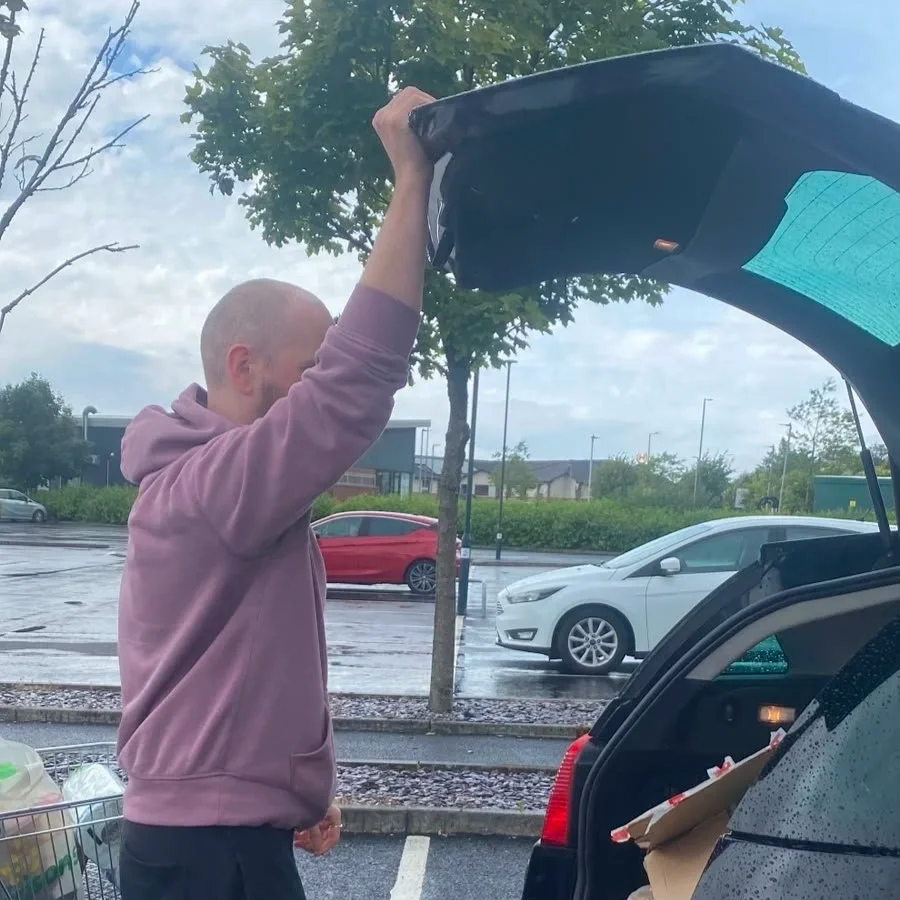
loading and unloading a car
helping another person move
repeatedly getting down to the floor
These tasks can involve meaningful physical effort even when nobody calls them exercise.
Transport and routine
Your daily routine may involve:
walking
climbing stairs
carrying bags
standing on public transport
cycling
long periods driving
moving between home, work and other responsibilities
Small demands can accumulate across a day.
Hobbies and recreation
Gardening, DIY, golf, walking, exercise classes and recreational sports each create their own mixture of:
bending
reaching
gripping
lifting
carrying
rotation
changes of direction
repeated effort
Our article on why gardening can feel like a workout explores how one ordinary hobby can combine lifting, carrying, reaching, kneeling and repeated movement. The body does not separate “exercise” from “normal life”. It responds to the physical demands involved.
Why the Type and Amount of Demand Matter
Physical demand is not determined by one factor.
A task may be influenced by:
the force required
how often it is repeated
how long it continues
the range or position involved
how far someone needs to reach
the pace of the task
whether a load must be carried or controlled
how familiar the activity is
whether the person can change position
whether there are suitable breaks or opportunities to recover
The Health and Safety Executive recognises manual handling, repetitive work, sustained force, reaching, twisting, prolonged task duration, display-screen work and long-distance driving among the factors relevant to work-related musculoskeletal demand. (HSE)
This does not mean every repeated movement, desk position or lifting task causes injury.
It means that the complete demand matters more than one movement viewed on its own.
Consider the difference between:
carrying one box and carrying boxes for two hours
climbing one flight of stairs and using stairs throughout a shift
gardening for twenty minutes and gardening for an entire weekend
driving locally and completing several hours of driving
taking a familiar walk and attempting a much longer or steeper route
lifting an object once and repeating the same lift at speed
The action may appear similar.
The total demand is not.
This also explains why it is rarely useful to label one position as universally “good” or “bad”.
Position is only one part of the situation. Duration, repetition, force, task organisation, current ability and opportunities to move can all contribute to how demanding something becomes.
When ordinary tasks repeatedly feel difficult or uncomfortable, our Everyday Movement Support page explains where RCMM may fit for concerns linked mainly to work, commuting, household responsibilities and daily routine. (RC Muscle & Movement)
Demand, Capacity and Recent Exposure
Three ideas can help make everyday physical demand easier to understand.
Demand
Demand is what the task asks from you.
That may include:
force
movement
balance
coordination
repetition
endurance
time spent in one position
Capacity
Capacity describes what you can currently manage.
It is not a fixed personal label.
Someone’s current capacity may differ according to:
the task
recent activity
health
experience
fatigue
how frequently they perform that activity
A person may have strong legs for cycling but find repeated lifting unfamiliar. Someone may manage a long walk comfortably but find prolonged kneeling difficult.
Physical ability is specific to the task.
Recent exposure
Exposure means how recently and how often you have met a similar demand.
A task that is familiar and regularly performed may feel different from the same amount of work after several months away.
This does not mean every ache can be reduced to a simple formula.
Pain and physical symptoms are influenced by many factors, and a general webpage cannot determine the cause of an individual concern.
The demand-and-capacity model is useful because it encourages context rather than fear.
Instead of asking:
“Is this movement bad?”
A more useful question may be:
“How much of this task am I currently prepared to manage?”
Adaptation Happens Through Appropriate Exposure
The body can change in response to repeated physical activity.
This process is often called adaptation.
A walk that initially feels demanding may become more manageable when it is repeated appropriately. Strength work can gradually increase someone’s ability to produce and control force. A familiar work task may require less conscious effort than an unfamiliar one.
Adaptation is not instant, and more is not always better.
The amount of activity needs to suit the person’s current level and circumstances.
Current NHS Inform guidance recommends building activity from present levels, while UK guidance encourages gradual increases rather than an abrupt jump into demanding exercise. (NHS Inform)
This principle applies beyond formal exercise.
It may also matter when someone:
starts a new job
returns to gardening
walks further on holiday
takes up a new hobby
begins caring for a young child
returns to activity after a quiet period
The aim is not to avoid challenge.
Challenge is part of maintaining and developing physical ability.
The aim is to introduce enough challenge to support adaptation without assuming that every person should start from the same point.
The Same Task Does Not Affect Everyone Equally
Two people can complete the same task and respond differently.
The same person may also find a task easy at one time and more demanding at another.
The difference may relate to a combination of:
current physical ability
recent exposure to the activity
familiarity and skill
task duration
pace
fatigue
an existing health concern
a recent injury
equipment and environment
available breaks
several demands occurring together
HSE guidance recognises that force, work pace and posture need to be understood alongside individual differences in size, experience, skill and how the worker perceives the task. (HSE)
This is why broad rules are rarely enough.
“Sitting is bad.”
“Lifting is dangerous.”
“Everyone should move in exactly the same way.”
These statements remove the context needed to understand the task.
Lifting is part of normal life and can also be part of developing strength.
Sitting is a normal position used for work, travel, eating and rest.
Walking is generally accessible, but the challenge changes with distance, pace, terrain and what someone carries.
The activity itself is only one part of the picture.
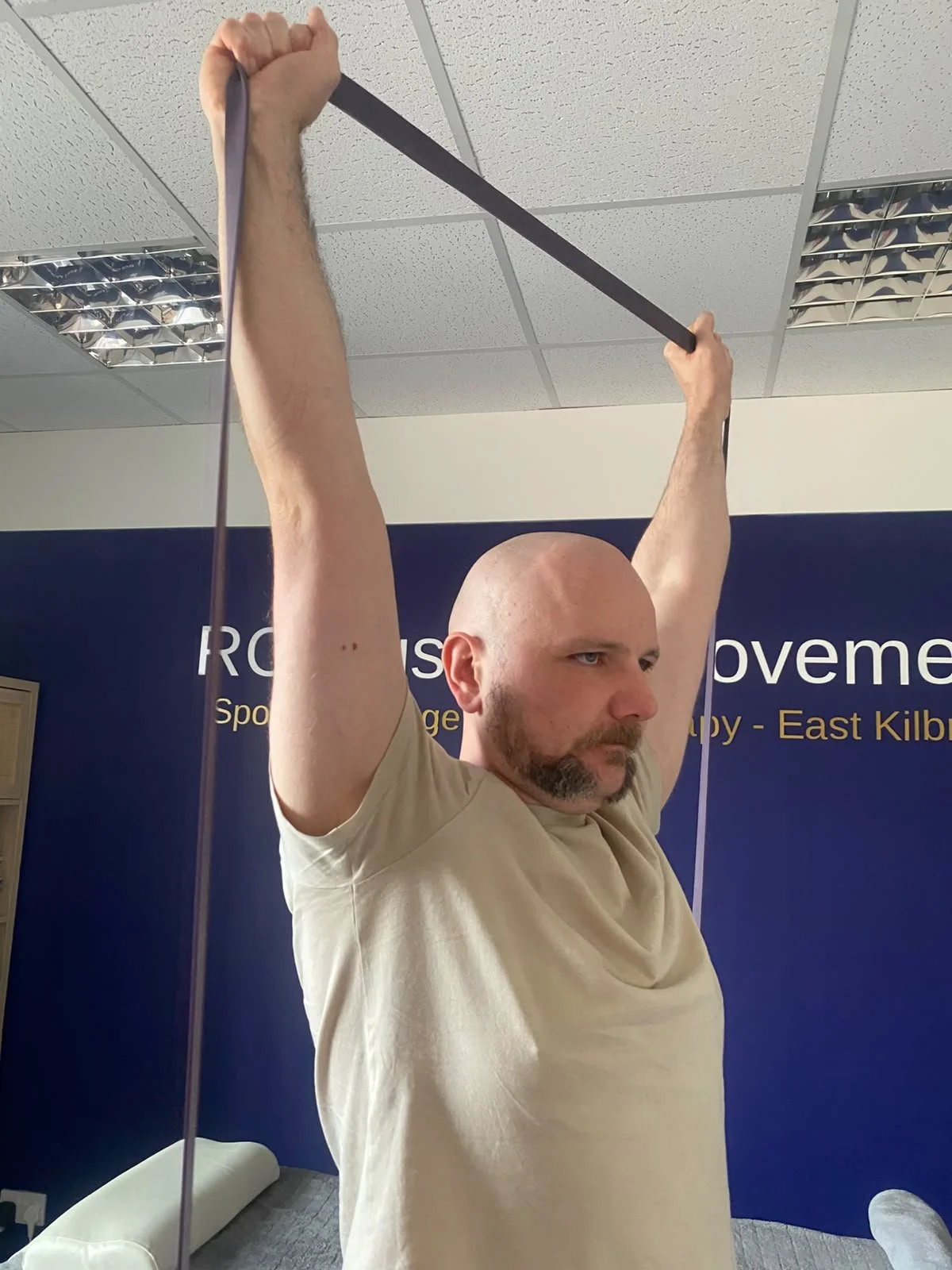
No Gym , No Problem
you can easily strengthen your muscles and keep joints mobile at home or wherever your comfortable taking advantage of body weight and resistance band exercises in example
Why Strength Matters Beyond the Gym
Strength is sometimes presented as a specialist quality for athletes or people who enjoy lifting weights.
In everyday life, strength has a much broader role.
Your muscles produce or control force when you:
rise from a chair
climb stairs
carry shopping
lift something from the floor
push open a heavy door
control your body while walking downhill
hold a child
move garden equipment
reposition household objects
Strength does not remove every physical concern or guarantee that someone will never experience pain.
It contributes to the physical capacity available for demanding tasks.
Current NHS guidance recommends muscle-strengthening activity for all the major muscle groups on at least two days each week. It also recognises that strength can be developed through different activities rather than one compulsory training method. (nhs.uk)
Depending on the person, strengthening activity might include:
resistance bands
bodyweight movements
free weights
machines
carrying
stair climbing
appropriately demanding household or recreational activity
This is population-level guidance, not a personal programme.
The appropriate activity depends on someone’s health, current ability, experience and goals.
What Generally Supports Musculoskeletal Health?
No single stretch, posture, treatment or exercise can guarantee good musculoskeletal health.
The most reliable foundations are broader.
Regular physical activity
Regular activity gives the body opportunities to move and helps maintain physical function.
This can include:
walking
active transport
household activity
recreation
formal exercise
sport
Current UK guidance emphasises that every movement counts and encourages people to build activity from their current level. (GOV.UK)
Appropriate muscle-strengthening activity
Strengthening provides a deliberate way to challenge the muscles that produce and control force.
It can support ordinary tasks such as lifting, carrying, standing up and using stairs.
It does not require becoming a powerlifter or adopting a gym-based identity.
Reducing very long periods without movement
Sitting and resting are normal.
The wider public-health recommendation is to break up long periods without movement where practical. There is not one evidence-based sitting limit that applies to every person. (nhs.uk)
Changing position, taking a short walk or completing another light activity may add useful movement to the day without turning normal sitting into something to fear.
Building unfamiliar activity gradually
A new class, longer walk, physical job or household project may create more demand than someone has met recently.
Starting from the current level and increasing gradually gives the body time to adapt. (NHS Inform)
Maintaining varied opportunities to move
Different activities contribute different physical demands.
Walking does not provide exactly the same challenge as carrying. Gardening differs from cycling. Strength work differs from a long recreational walk.
Variety can help someone maintain a broader range of physical experiences without implying that every minute of the day needs to be optimised.
What Musculoskeletal Health Does Not Require
Supporting musculoskeletal health does not require:
being an athlete
attending a gym
achieving perfect posture
becoming exceptionally flexible
never feeling stiff or sore
following one particular exercise method
constantly monitoring every movement
treating the body as fragile
A gym can be useful, but it is only one setting for physical activity and strength development.
Walking, home exercise, bands, classes, hobbies, domestic activity and recreational sport may all contribute.
The most useful approach is normally one that:
fits the person’s life
suits their current ability
can be progressed when appropriate
feels realistic enough to continue
Recognising Changes in Physical Function
Changes in MSK health are not always first noticed as a clear injury.
Sometimes the change is in what someone has begun avoiding or finding harder.
Examples might include:
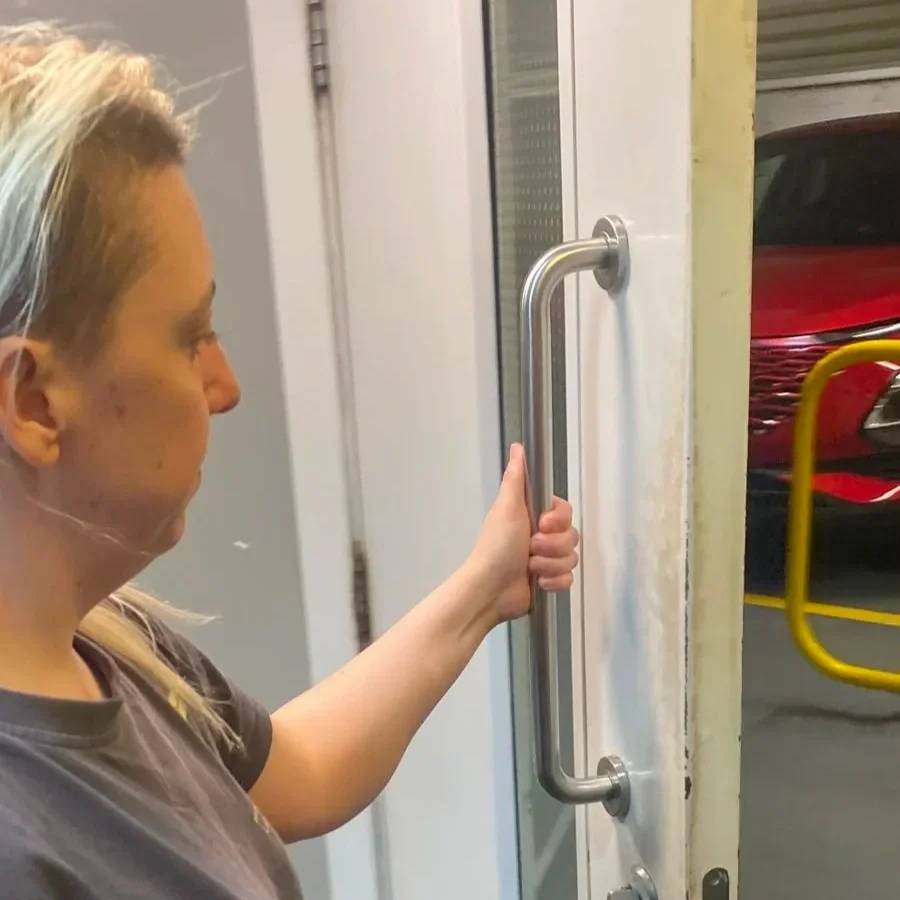
stairs taking more effort
walking shorter distances
avoiding carrying bags
relying on the arms to rise from a chair
finding it harder to get down to the floor
reducing time spent on a hobby
needing longer to recover after ordinary tasks
choosing not to reach, bend or lift as often
work duties becoming more difficult to manage
None of these observations identifies one diagnosis.
They provide useful information about physical function.
It may help to consider:
when the change began
whether it is improving or progressing
which tasks are affected
whether the concern is isolated or connected to several areas
how much it is changing normal life
When General Information Is Not Enough
A general article can explain musculoskeletal health.
It cannot identify why one person has recurring discomfort, stiffness or difficulty with a particular task.
Personalised support may be useful when:
the same concern repeatedly returns
physical function is changing
ordinary tasks are becoming harder
several areas seem connected
symptoms are becoming more severe
there has been a sudden or unexplained change
you are unsure which type of support is appropriate
Words such as “tight”, “stiff” or “sore” can help describe an experience, but they do not identify one specific cause by themselves.
The wider context matters:
when it started
what activity was involved
what makes it better or worse
whether movement has changed
whether normal function is affected
whether another health concern is present
The Conditions We Help With section explains where RCMM may fit for common body areas and movement concerns. Its job is to explain scope and suitable next steps rather than provide medical diagnosis.
Seek medical assessment when symptoms are severe, rapidly worsening, follow significant trauma or involve new weakness, numbness, major loss of function or another concerning change.
How RCMM Fits
RC Muscle & Movement provides movement-focused musculoskeletal support in East Kilbride within Sports Therapy and strength-informed scope.
RCMM does not diagnose medical conditions.
Our role may include:
listening to what has been happening
considering relevant work, activity and everyday demands
exploring movement where appropriate
using straightforward strength or function checks
explaining what the findings may suggest within scope
offering practical guidance
helping identify a suitable next step
The main Musculoskeletal Support in East Kilbride page explains the wider RCMM approach and where movement-focused support may fit.
When something repeatedly returns, several areas seem connected or you are unsure what may be contributing, a Movement & Function Assessment may provide a clearer starting point.
The goal is not to overcomplicate everyday movement.
It is to help you understand what may be relevant, recognise when general information is no longer enough and choose an appropriate next step.
Key Takeaways
Musculoskeletal health concerns how muscles, bones, joints and related tissues support movement and physical function.
It is about participation in everyday life—not simply whether something hurts.
Work, transport, household tasks, caring responsibilities and hobbies all create physical demand.
The effect of a task depends on factors such as force, repetition, duration, familiarity and current ability.
Regular activity, appropriate strength work and gradual exposure to unfamiliar tasks can help maintain physical capacity.
No single posture, stretch or treatment guarantees good MSK health.
Individual guidance may be useful when physical function is changing or a concern repeatedly returns.
FAQs
What does MSK stand for?
MSK stands for musculoskeletal. It refers to the muscles, bones, joints and related connective tissues involved in movement, support and physical function. (World Health Organization)
What is musculoskeletal health in simple terms?
Musculoskeletal health describes how your muscles, bones, joints and related tissues support movement and everyday physical function.
It affects your ability to walk, work, lift, carry, complete household tasks, enjoy hobbies and remain physically independent.
What is the difference between musculoskeletal health and an MSK condition?
Musculoskeletal health is the broader idea of how the body’s movement system functions.
An MSK condition is a particular injury, disease or health concern affecting muscles, joints, bones or related tissues. A general article cannot determine whether an individual has a specific condition. (World Health Organization)
Is musculoskeletal health only about pain?
No.
Pain can be part of a musculoskeletal concern, but physical function, independence, movement and participation in everyday life also matter. (GOV.UK)
Can everyday tasks affect muscles and joints?
Yes.
Work, household tasks, caring responsibilities, transport and recreation all create physical demands. The amount of force, repetition, duration and familiarity involved can affect how demanding a task becomes. (World Health Organization)
Can desk work create physical demand?
Yes.
Desk work may involve long periods with little variation in position, repeated keyboard or mouse use and limited opportunities to move.
Position alone does not explain every symptom. Duration, task design, work organisation and individual circumstances also matter. (HSE)
Is lifting bad for your back or joints?
Lifting is a normal physical task and can also form part of strength development.
Whether a lift is manageable depends on factors such as the load, frequency, environment, technique, task duration, current ability and familiarity.
Lifting should not be treated as universally harmful.
Does strength training support musculoskeletal health?
Appropriate strengthening activity can support muscular fitness and physical function.
Current NHS guidance recommends strengthening the major muscle groups on at least two days each week, adjusted to the person’s health, experience and current ability. (nhs.uk)
Do I need to attend a gym?
No.
A gym is one setting for building strength and physical capacity, but it is not the only option.
Home exercises, resistance bands, walking, classes, hobbies, recreation and some demanding everyday activities may all contribute.
What is a musculoskeletal assessment?
A musculoskeletal assessment is a broad term for exploring a concern involving muscles, joints, movement or physical function.
The exact assessment depends on the practitioner and setting.
RCMM’s Movement & Function Assessment is a movement-focused Sports Therapy appointment. It does not provide medical diagnosis or replace NHS or medical assessment where that is more appropriate.
When should I seek personalised support?
Consider personalised support when:
something repeatedly returns
several areas seem connected
physical function is changing
ordinary tasks are becoming harder
you are unsure what may be contributing
Severe, rapidly worsening, traumatic or neurologically concerning symptoms should be assessed through an appropriate medical route.
What musculoskeletal support does RCMM provide in East Kilbride?
RCMM provides movement-focused support through Sports Therapy, Movement & Function Assessment, practical education and strength-informed guidance.
The aim is to help build a clearer picture of recurring or unclear movement concerns and identify an appropriate next step.

Source Base Used
World Health Organization — Musculoskeletal Health
Used for the definition of musculoskeletal health, the locomotor system and the connection between MSK impairment, function and participation. (World Health Organization)
World Health Organization — Physical Activity
Used for the definition of physical activity across work, transport, domestic activity, recreation and leisure. (World Health Organization)
Office for Health Improvement and Disparities — Musculoskeletal Health: Applying All Our Health
Used for the relationship between MSK health, lifelong functional ability and healthy ageing. (GOV.UK)
NHS England — Musculoskeletal Health
Used for the relationship between musculoskeletal concerns, movement, quality of life and independence. (NHS England)
NHS England — Adult Community Musculoskeletal Service Specification
Used for the wider connection between MSK health, work, caring responsibilities, travel, leisure, exercise and independent living. (NHS England)
Health and Safety Executive — Musculoskeletal Disorders at Work
Used for information about force, repetition, duration, task position, manual handling, driving and individual differences. (HSE)
UK Chief Medical Officers’ Physical Activity Guidelines
Used for current public-health guidance on regular activity, strengthening and gradual progression from current activity levels. (GOV.UK)
NHS and NHS Inform — Physical Activity and Strength Guidance
Used for muscle-strengthening guidance, breaking up long inactive periods and gradually increasing activity. (nhs.uk)