
About RC Muscle & Movement
A small family business with a shared passion
Our Story
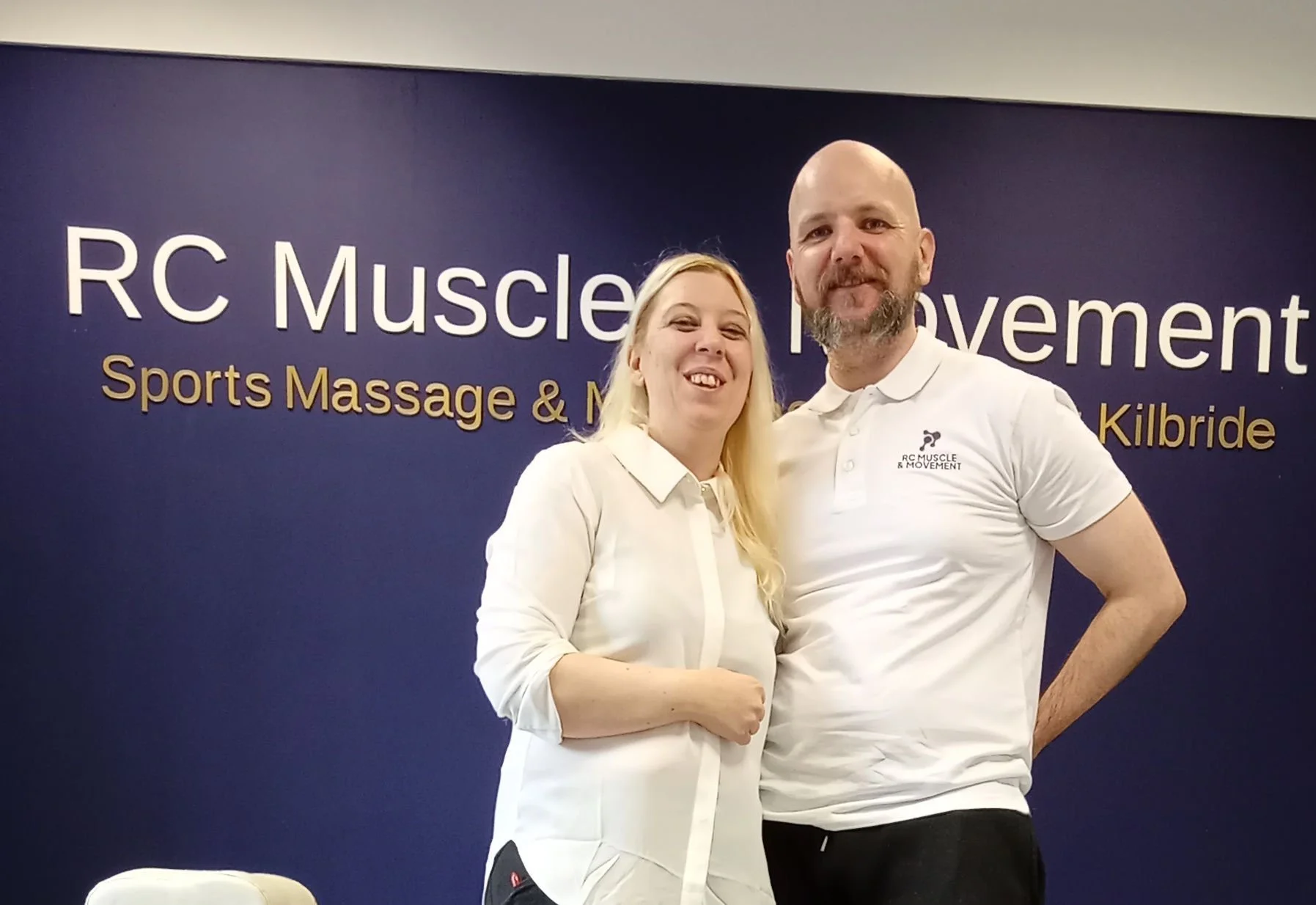
We are Ross and Paula, a husband-and-wife team, and we run RC Muscle & Movement together in East Kilbride.
RCMM grew from something we both genuinely care about: helping people look after their muscles, movement and physical capability before everything reaches breaking point.
We have both spent years around fitness, strength, movement and people who need support adapted to real life. Over time, we became increasingly frustrated by the idea that you should only seek help once you are injured, in considerable pain or no longer able to do the things you normally do.
We wanted to build something different.
A small, welcoming clinic where hands-on therapy, movement, strength and honest education could sit together without becoming overcomplicated, intimidating or overly clinical.
This is not a faceless clinic or a large treatment chain. It is the two of us, working together and putting a great deal of ourselves into what we do.
Different strengths, one shared philosophy
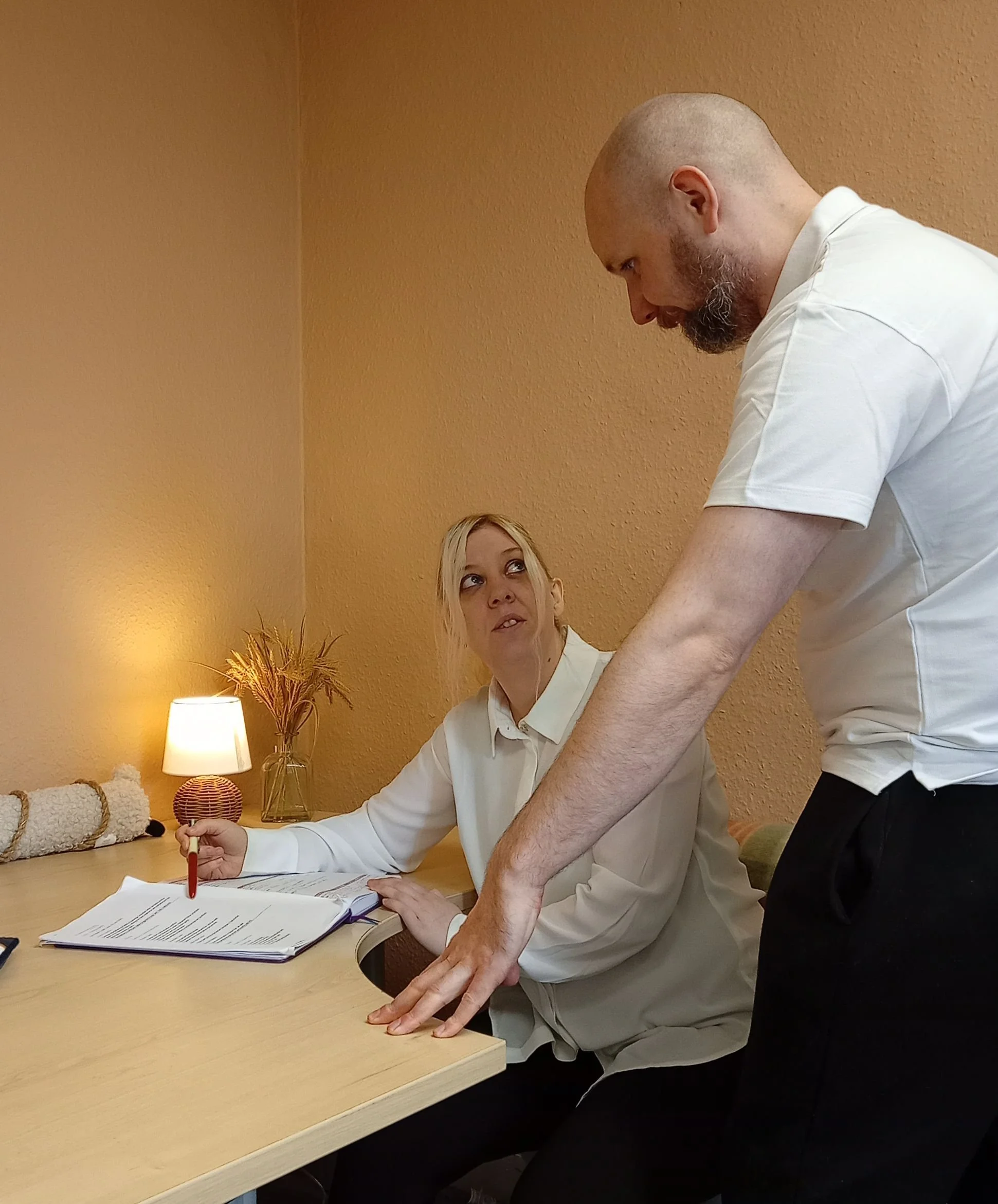
Ross leads the hands-on and client-facing side of RCMM as our qualified Sports Therapist. He provides every treatment and assessment appointment at the clinic.
Paula runs the operations, content and educational side of the business, drawing on her background in personal training, nutrition, strength training, powerlifting and education.
Our roles are different, but the thinking behind them is shared.
We believe hands-on treatment can be incredibly useful, but we also believe that muscles and movement should not only receive attention when something has gone wrong.
Massage can help an overworked body feel more comfortable. Movement can help you better understand what your body is doing. Strength can help build the physical capacity needed for work, family life, hobbies, training and getting older.
They are not competing ideas.
They are different parts of looking after the same body.
More like going to the barber
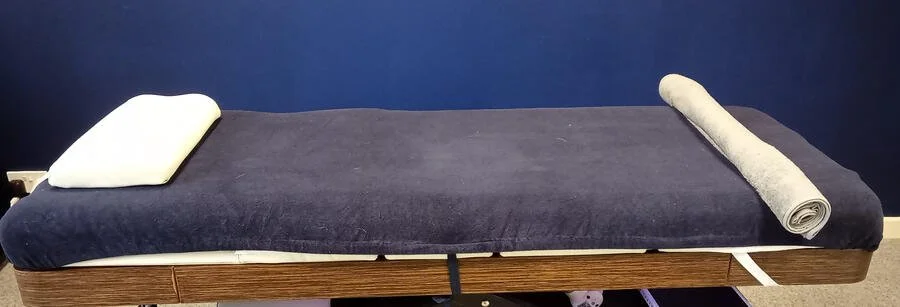
We have always said that coming to RCMM should feel as normal as going to the barber.
You do not wait until your hair is completely out of control before getting it cut. You go because it is part of looking after yourself.
But the comparison is not only about maintenance. A good trip to the barber is also something you can enjoy: a familiar place where you can settle in, have a good chat or simply switch off for a while, and leave feeling looked after.
That is how we want RCMM to feel. Not like a formal appointment you dread, or somewhere you only visit when something is wrong, but a normal and enjoyable part of your routine—time set aside to look after yourself that you can genuinely look forward to.
That does not mean everybody needs constant treatment or that something terrible will happen if you miss an appointment. It simply means you do not always have to wait until your body feels completely overloaded, painful or difficult to manage before giving it some attention.
For clients who want regular maintenance, we generally recommend a rhythm of every two to three weeks.
That is our practical recommendation, not a rigid medical rule. Some people prefer to come more or less often, while others only book when something specific needs attention.
Nobody’s body suddenly expires on day 21.
The value is in creating a consistent habit rather than repeatedly putting your own physical care at the bottom of the list. Our treatment packages are designed for people who want to build that rhythm into their routine.
Treatment is only one part of the picture
We care deeply about the quality of the treatment people receive here, but we are also honest about what one appointment can and cannot do.
Hands-on treatment can help you feel more comfortable, reduce the sense of physical overload and make movement feel easier. But it cannot carry the entire load on its own when the same demands continue between appointments.
Work, stress, sleep, food, hydration, movement, strength and general recovery can all influence how your body feels.
We are not expecting anybody to have a perfect lifestyle. We certainly don’t.
The point is to understand the bigger picture and recognise where a few realistic changes might support what happens in the clinic.
Sometimes that means moving more regularly during the working day. Sometimes it means building strength gradually, recovering properly from training or simply recognising that a particularly demanding few weeks have caught up with you.
No lectures. No impossible routines.
Just honest conversations about what may actually be useful in your life.
Strength is part of how we think
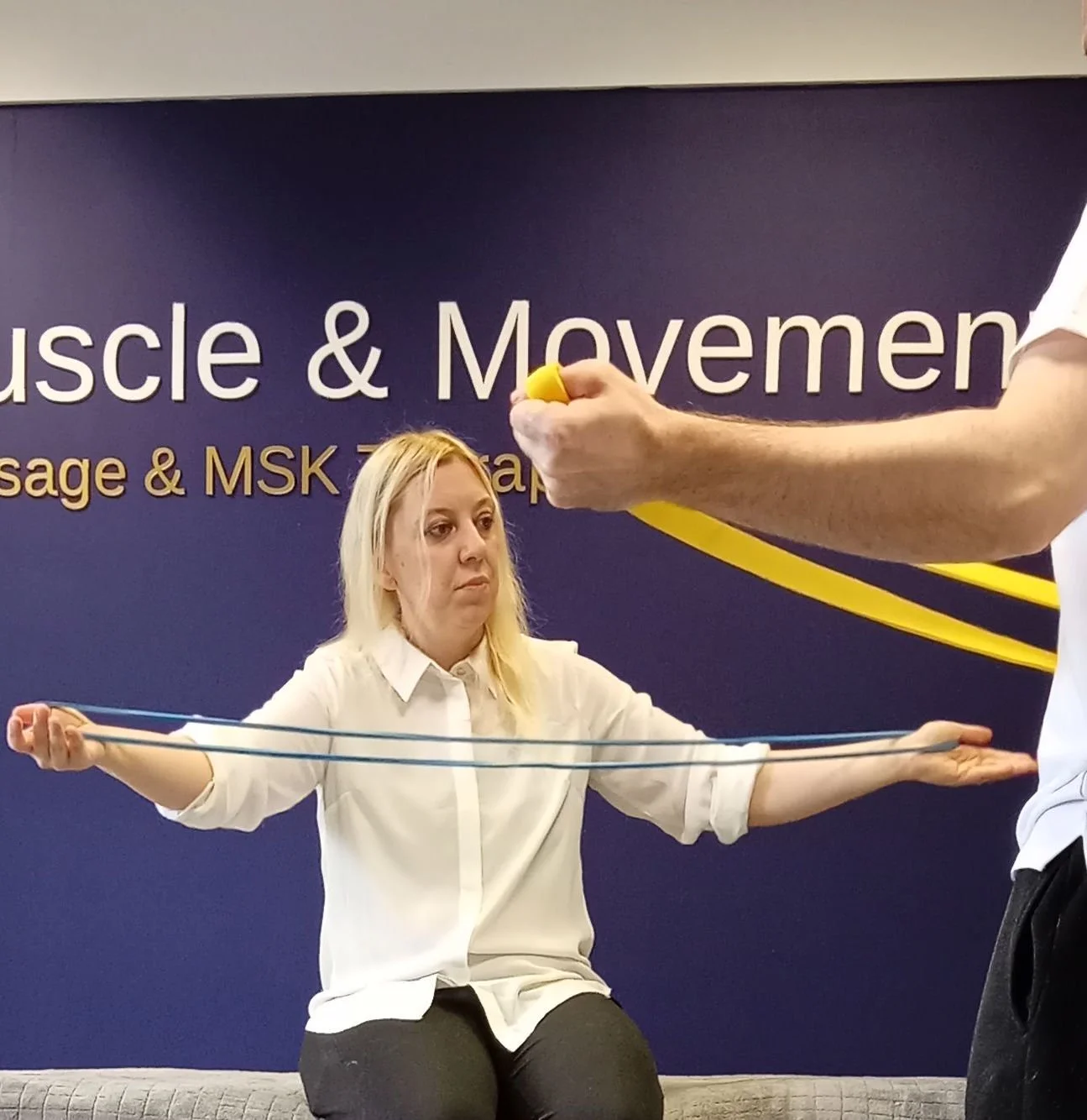
Strength is an important part of RCMM’s philosophy, but that does not mean everybody needs to become a gym person or start lifting heavy weights.
We see strength as physical capacity.
It is getting out of a chair, carrying shopping, climbing stairs, playing with your children, doing your job, enjoying a hobby or continuing to do the activities that matter to you.
Ross brings his experience in Sports Therapy, community fitness and adapting movement for different needs. Paula brings years of strength training, powerlifting and education.
Together, that experience has shaped the way we think about muscle and MSK health.
Massage may help you feel better today. Strength and regular movement can form part of how you continue looking after yourself over time.
You do not need to be an athlete
The word “sports” in Sports Therapist describes Ross’s professional qualification. It does not describe the only type of person allowed through the door.
You do not need to play sport, train in a gym or have an injury.
People visit RCMM because they feel generally tight, physically overloaded or uncomfortable. Some spend their working day sitting at a desk. Others are constantly on their feet, driving, lifting, caring for family or trying to fit activity around a busy life.
Some have one area that needs focused attention. Others simply know their body could do with being looked after.
All are valid reasons to come.
Every appointment is a conversation
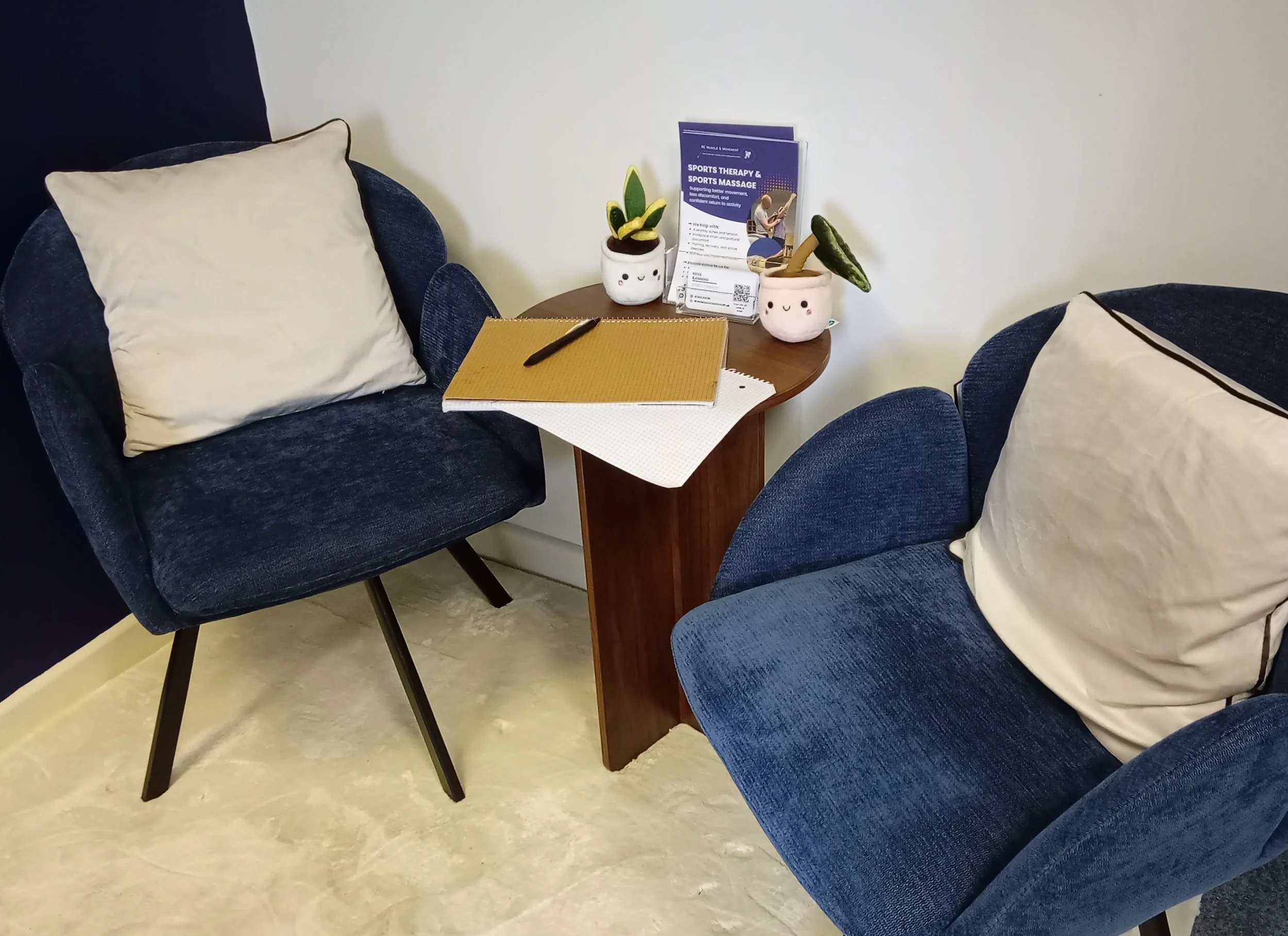
We never want treatment to feel like something that simply happens to you without your input.
You are the person living in your body. We need to know what you are feeling, what pressure suits you, what you are hoping to get from the appointment and whether anything needs to change during the session.
Speak up. Ask questions. Tell Ross if something does not feel right.
That communication helps Ross adapt the appointment to you, whether you have booked a mainly hands-on massage or a more detailed movement assessment.
We also want you to leave understanding a little more than when you arrived. That might be why an area has been feeling overworked, what could be influencing it or one realistic thing you can try between appointments.
A clinic built around real life
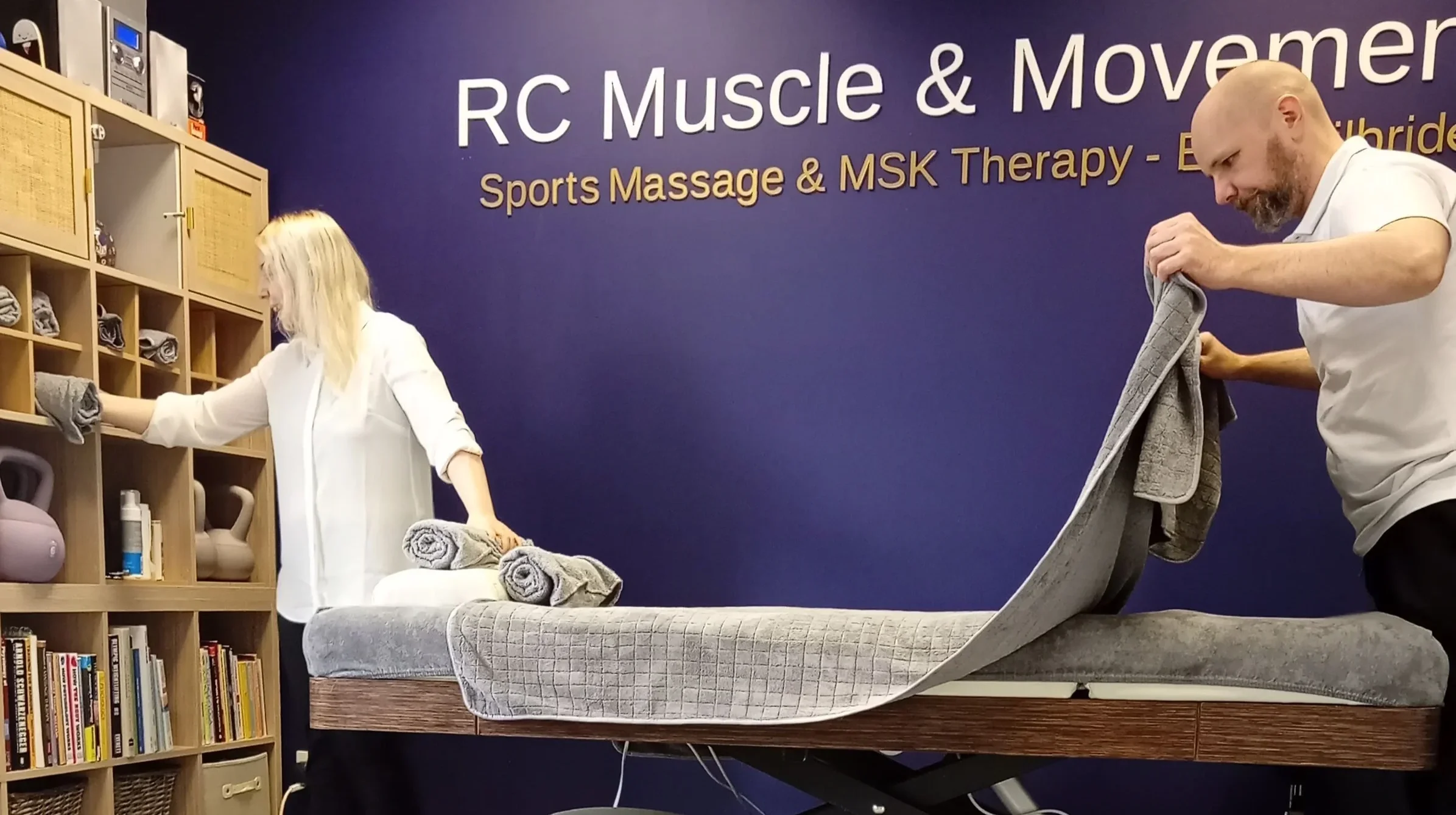
RCMM is a family business, and our own lives are every bit as busy and imperfect as anybody else’s.
We understand family responsibilities, neurodivergence, demanding jobs, inconsistent routines, training, tiredness and the fact that good intentions do not always survive a hectic week.
That is why we avoid rigid rules and unrealistic advice.
Our aim is to meet people where they are, provide useful support and help them develop a more consistent relationship with looking after their body.
Not through fear.
Not because everybody needs “fixed”.
Because self-care should include the muscles and movement that carry you through every part of your life.
The people behind RC Muscle & Movement
RCMM works because we bring different strengths to it. Ross leads the clinical, hands-on side of the clinic, while Paula shapes the education, communication and experience around it. You can get to know each of us properly below.
Ross Canning
Sports Therapist
Ross leads the hands-on side of RCMM, combining sports therapy, soft-tissue work, movement assessment and strength-informed thinking. His curiosity about anatomy, biomechanics and the wider musculoskeletal picture shapes a calm, practical approach around the person in front of him.
Meet Ross and learn about his approach
Paula Canning
Operations, Education & Content
Paula shapes how RCMM communicates and how the client journey feels. She draws on business, education, strength training and lived neurodivergent experience to make information clearer, systems less daunting and support more accessible.
Based in East Kilbride
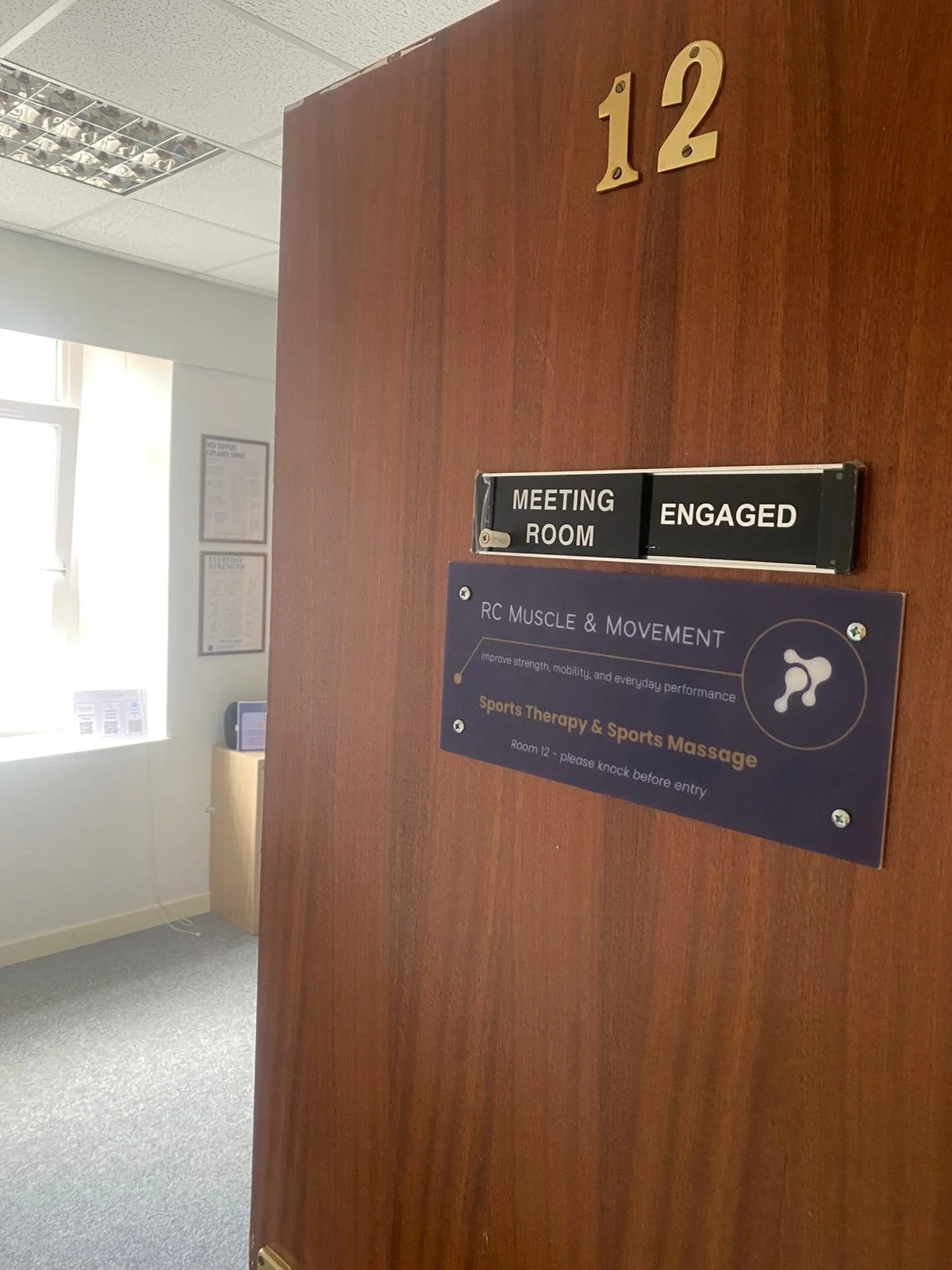
RC Muscle & Movement supports people across East Kilbride, Glasgow, Hamilton and surrounding Lanarkshire.
The clinic is based within Oakfield House, providing a calm and private environment focused on practical support and personalised care.
Clinic Details
RC Muscle & Movement
Oakfield House — Room 12
Main Street
East Kilbride
G74 4JU
07453 345311
Not sure where to start?
If you're unsure which appointment is most appropriate, the Movement & Function Assessment is usually the best place to begin.
It provides an opportunity to discuss what you've been experiencing, build a clearer picture of what may be contributing and identify the most appropriate next step.