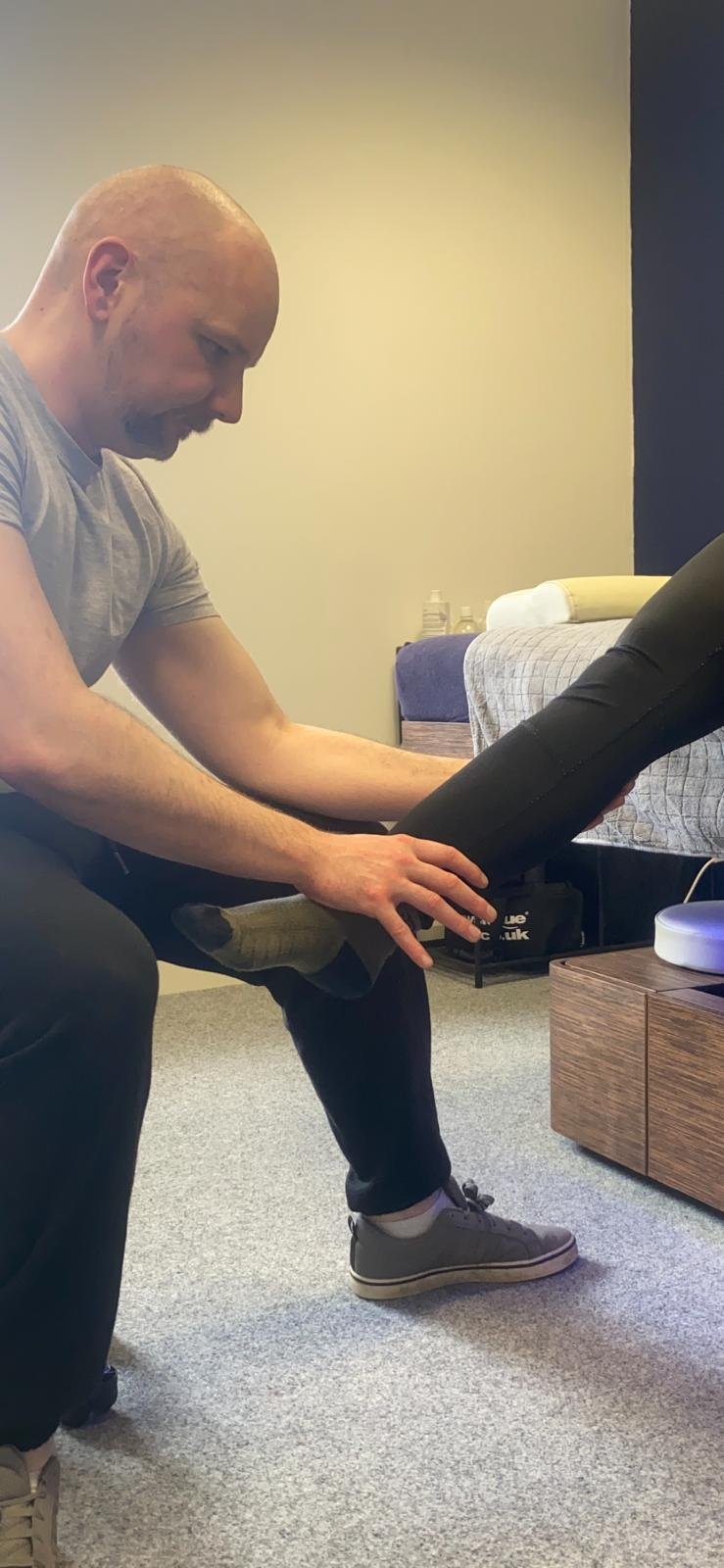
Movement-Led MSK Support East Kilbride
A practical, movement-focused way to understand recurring tightness, stiffness and physical discomfort.
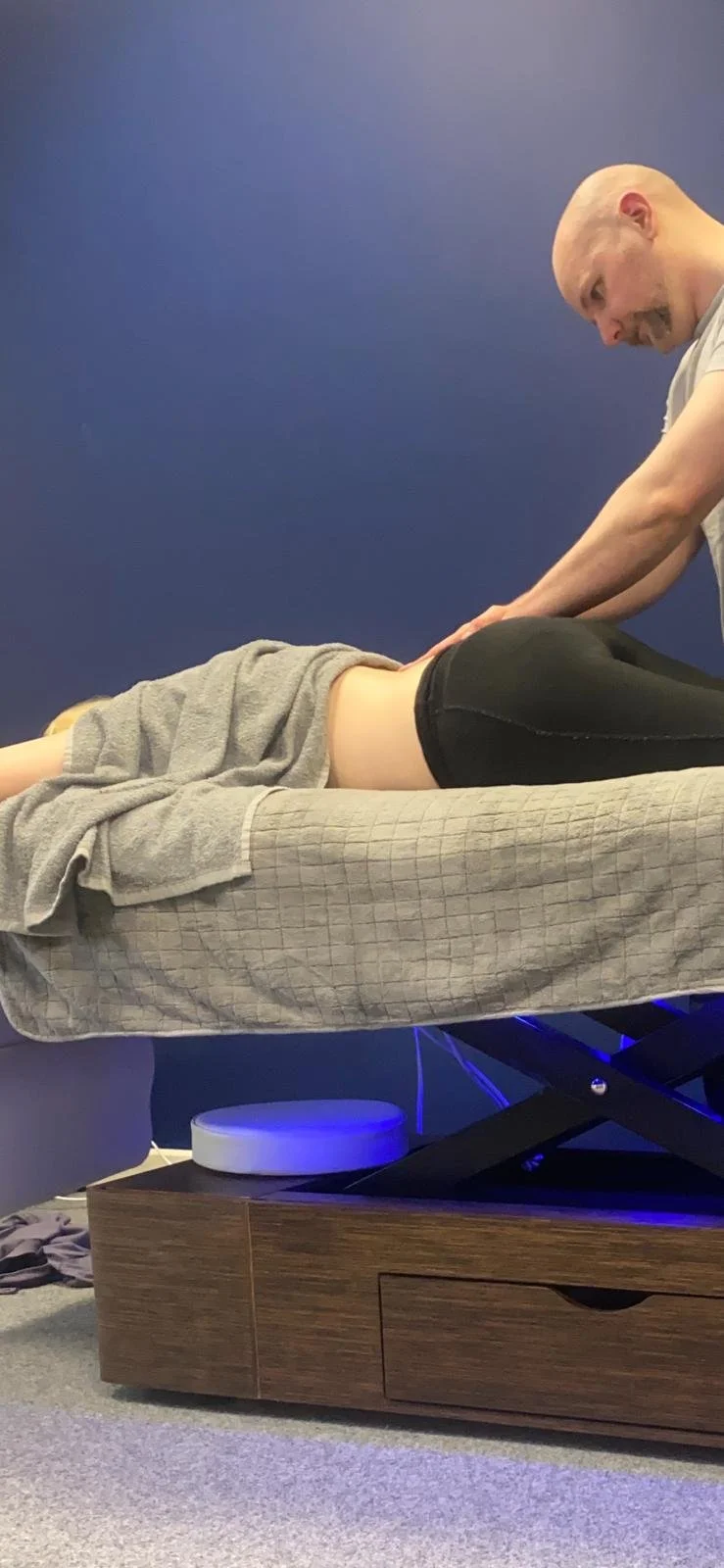
What is Movement Led Msk Support
At RC Muscle & Movement, we look at how your muscles, joints and movement are working together — and how everyday life may be influencing how your body feels.
If certain areas feel tight, restricted, overloaded or harder to move comfortably, we explore what may be contributing through a movement-focused, MSK-aware approach.
Calm. Practical. Straightforward.
No unnecessary jargon.
No medical overwhelm.
No pressure to “push through” issues.
Just clear, movement-focused support designed to help everyday movement feel more manageable again
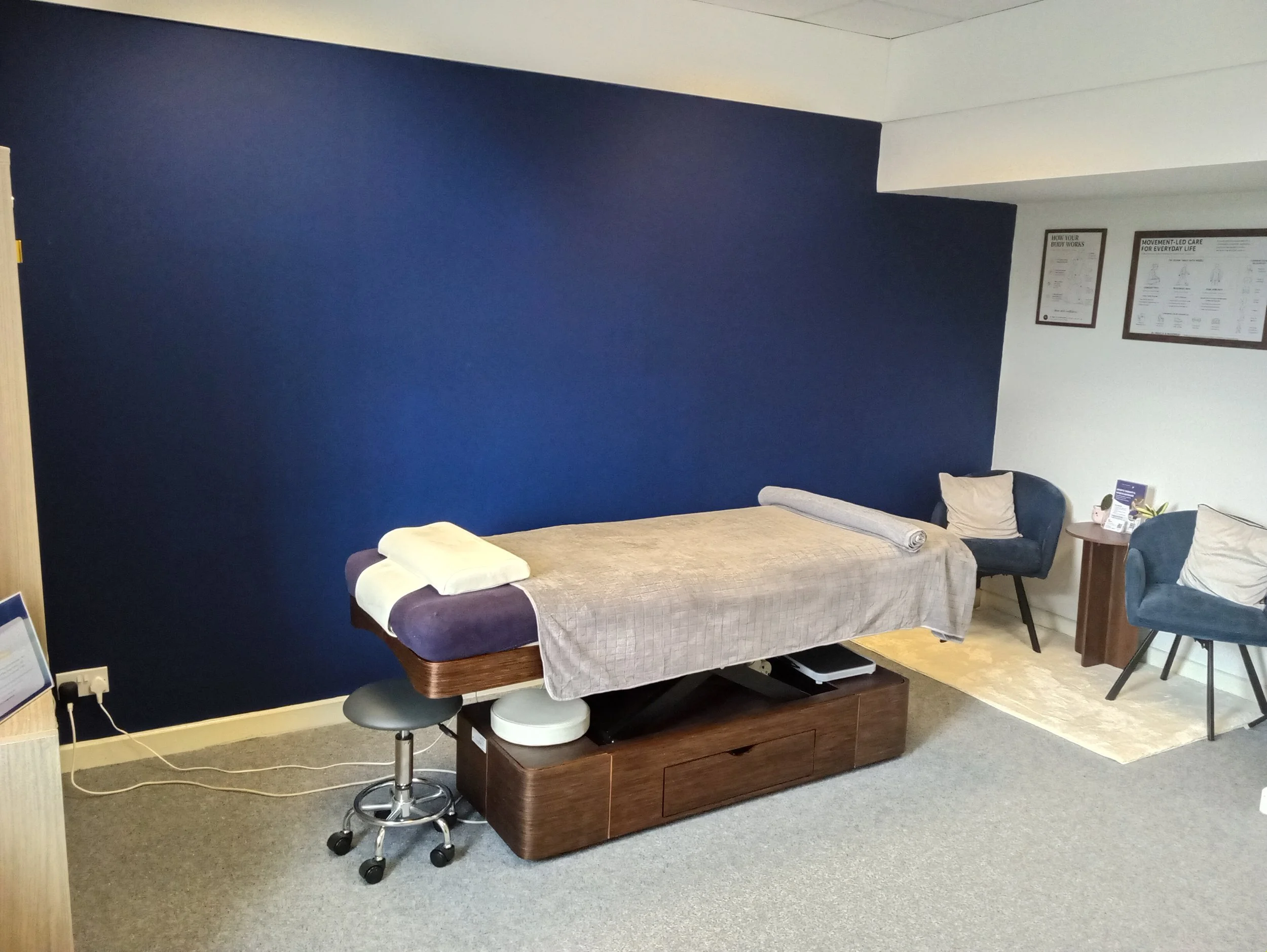
How This Shapes The RCMM Approach
Movement-led MSK support shapes everything we do at RCMM.
It influences:
how we assess movement
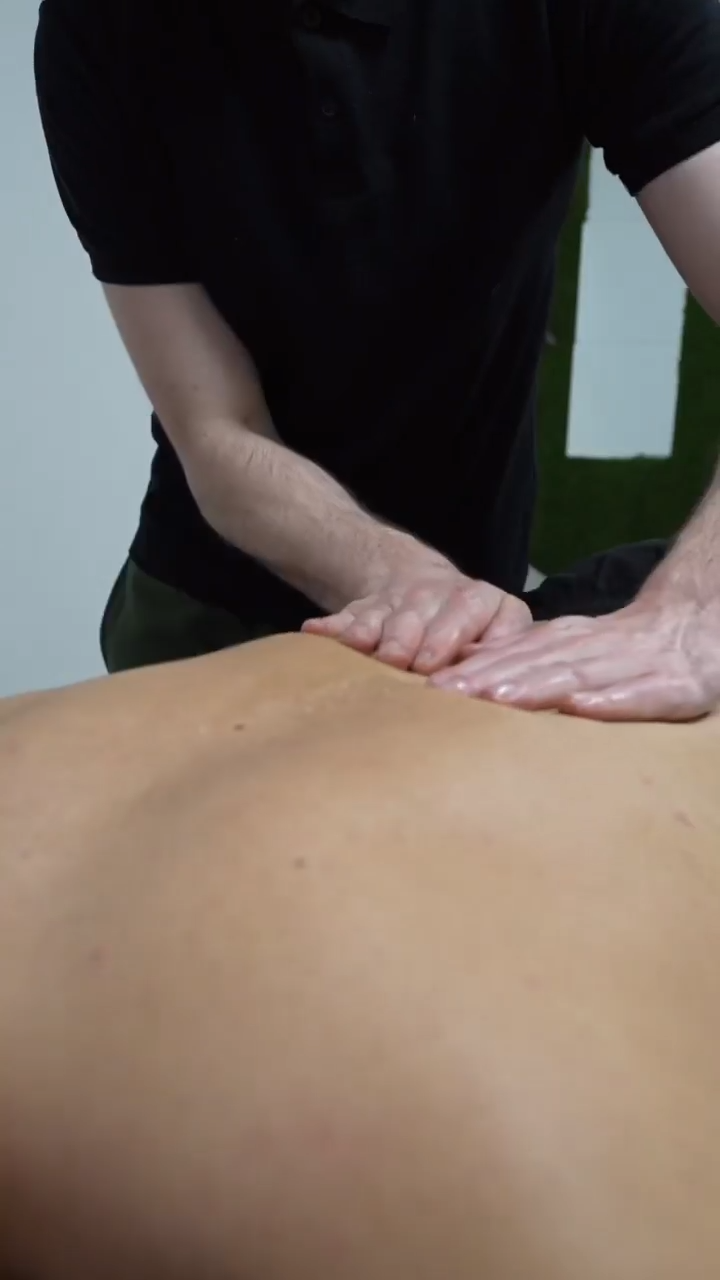
how we use hands-on support
how we explain things
how we approach recurring tightness and stiffness
how we support comfort and capability over time
Depending on what someone needs, support may include:
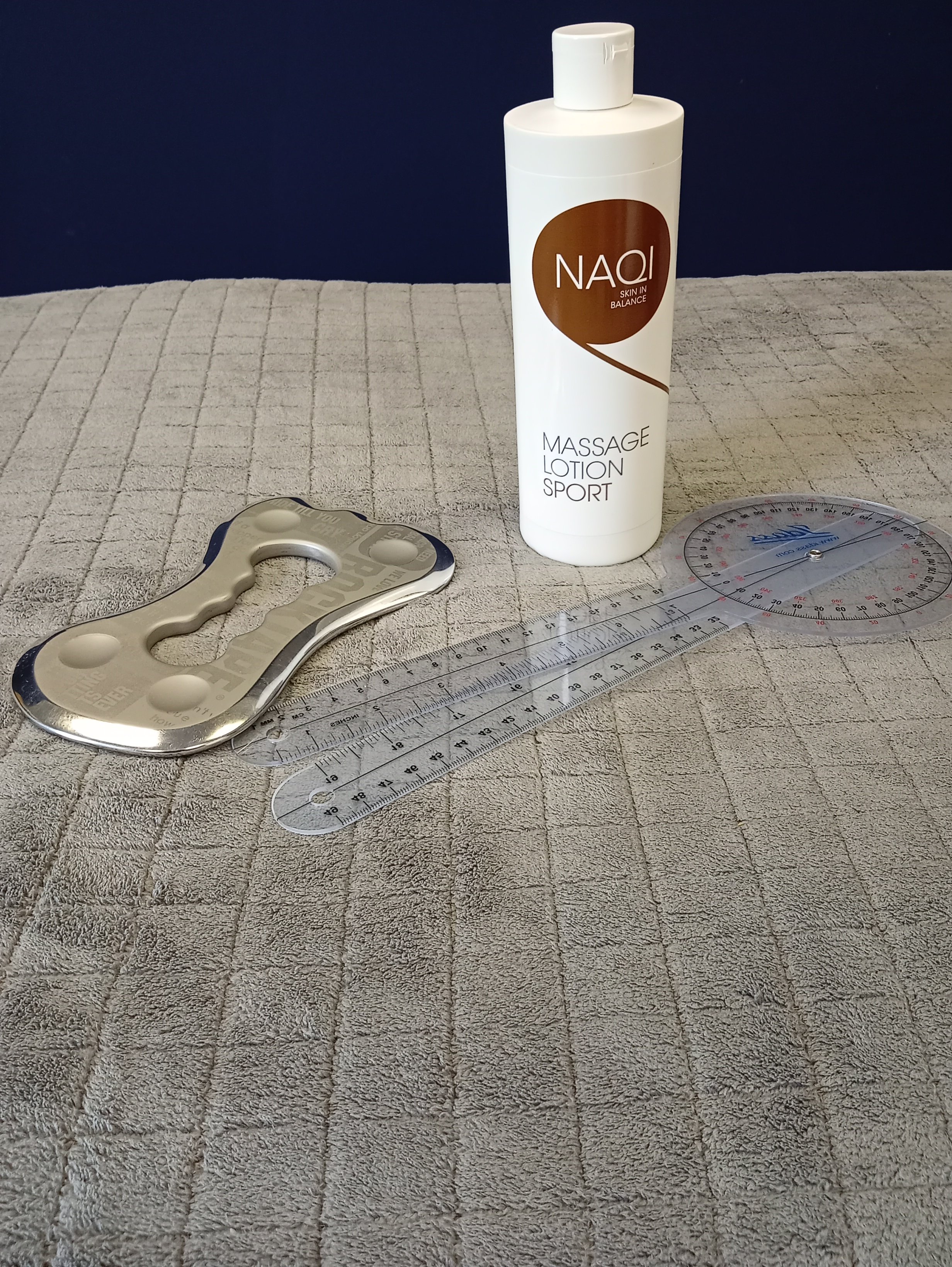
movement-focused assessment
sports massage
deep tissue massage
practical movement guidance
strength-informed support where helpful
Everything is used with purpose.
Nothing is added for the sake of complexity.
Why This Approach Helps
A movement-led approach often helps people make more sense of:
recurring tension
stiffness that keeps returning
movement feeling heavier or less smooth
certain areas constantly tightening up
discomfort that changes depending on workload or routine
feeling physically less capable than they used to
For many people, clarity itself reduces frustration.
When things make more sense, movement often feels easier to trust again.
What MSK Means
MSK stands for:
musculoskeletal.
That simply refers to:
muscles
joints
movement
soft tissues
how the body handles physical demand
At RCMM, we use movement-led MSK support to look at how different areas of the body are sharing work and responding to everyday life.
Sometimes certain muscles or joints gradually begin doing more work than they need to.
Sometimes movement becomes less comfortable, less adaptable or less confident over time.
This does not automatically mean something is damaged.
Often, it reflects how the body is responding to:
workload
movement habits
stress
sitting
training
recovery
repeated physical demands
How We Look At Movement
We look at movement in a practical, everyday way.
That may include:
how different areas are sharing load
which muscles feel overworked
where movement feels restricted
how daily habits may be influencing tension and comfort
how movement confidence changes over time
how physical capability influences comfort in everyday life
The aim is not to analyse every detail.
It is to build a clearer picture of what may be contributing and what may help movement feel easier again.

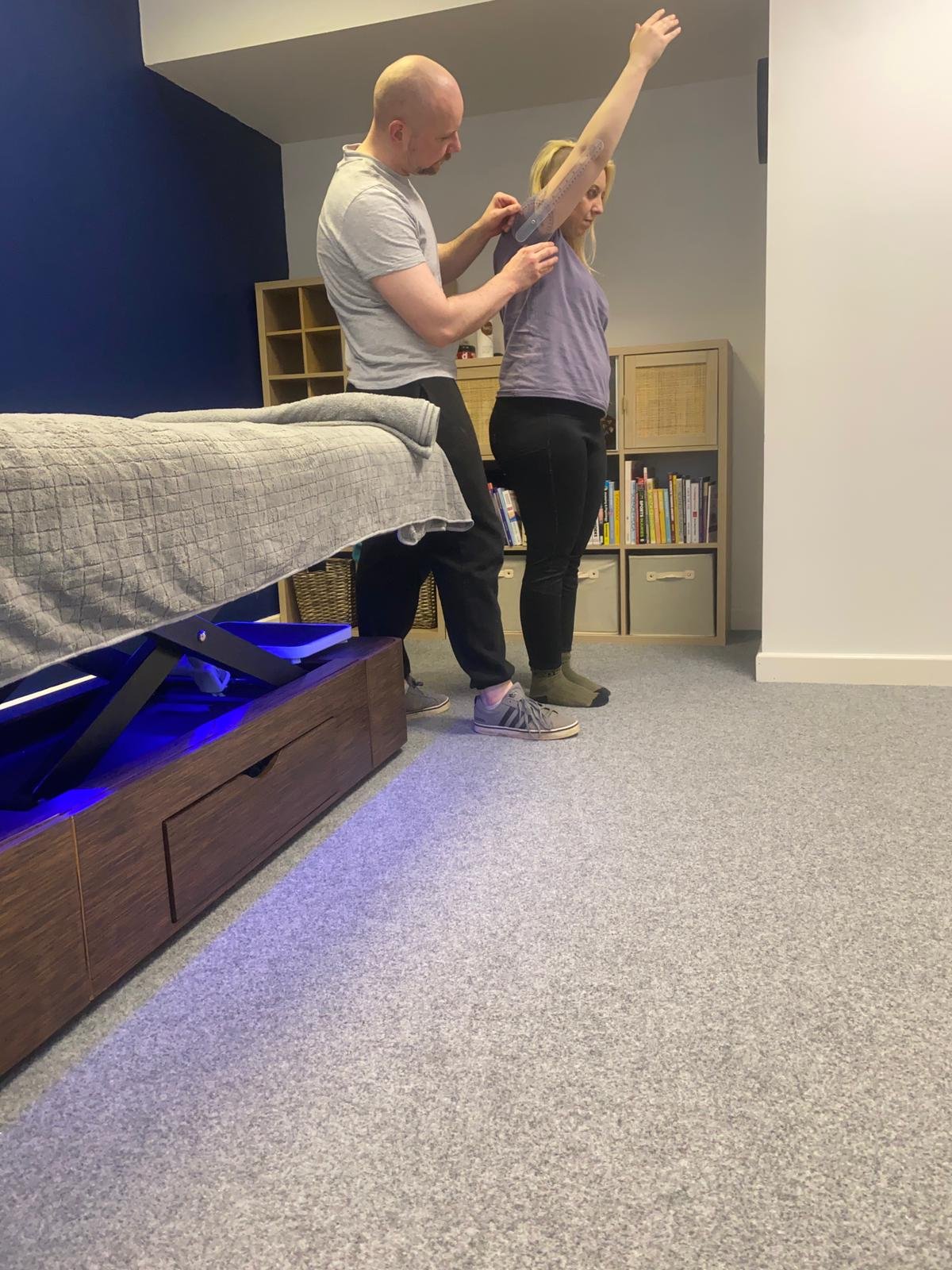
Everyday Movement Matters
Most people we see are not dealing with a major injury.
They are dealing with:
physically demanding jobs
long periods sitting
busy routines
reduced movement variety
training fatigue
stress and tension building over time
bodies that simply feel more overloaded than they used to
That is why RCMM focuses heavily on:
everyday movement
physical capability
movement confidence
helping the body cope better with normal life
Not perfection.
Not performance culture.
Just practical support that fits real life.
The Best Place To Start
Movement & Function Assessment
If something feels unclear, keeps returning or simply feels harder than it should, the Movement & Function Assessment is usually the best first step.
This session helps explore:
movement patterns
recurring overload
contributing factors
areas working harder than they need to
what support may help most
You’ll leave with:
clearer understanding
practical next steps
realistic guidance
support that fits everyday life

Frequently Asked Questions
-
RCMM focuses on movement-led MSK support, sports therapy and soft-tissue work within a calm, non-clinical environment.
We help people better understand recurring tightness, stiffness and movement issues without overcomplicating the process.
-
Yes.
Most people visit RCMM because something feels tight, stiff, overloaded or harder to move comfortably — not because of a major injury.
-
No.
Everyday life places physical demands on the body too:
work, sitting, lifting, stress, commuting and general routines all influence how movement feels. -
Often, yes — where appropriate.
That may include sports massage, deep tissue massage or movement-focused hands-on support.
-
The Movement & Function Assessment is usually the clearest starting point if something feels recurring, unclear or harder than it should.
Book An Appointment
If something keeps returning, movement feels less comfortable than it used to, or you simply want clearer understanding of what may be contributing, RCMM offers practical, movement-focused support designed around real life.