Why Am I Sore After Trying a New Sport or Fitness Class?
Summary
A new sport or fitness class can leave you sore because it may ask your muscles to work in unfamiliar positions, ranges, speeds or combinations.
The soreness may not appear during the activity itself. It can develop later and is often described as delayed-onset muscle soreness, usually shortened to DOMS.
This can happen even when you are already active. Being familiar with one activity does not prepare you equally for every other type of movement.
Educational Note
This article provides general education.
It is not medical advice, a diagnosis or a personalised exercise plan.
RC Muscle & Movement provides Sports Therapy, massage and movement-focused musculoskeletal support in East Kilbride. Seek appropriate medical advice if symptoms are severe, worsening, follow a significant injury or substantially affect normal function.
You Tried Something New. Now Everything Feels Worked.
Perhaps you joined a circuit class.
You went back to five-a-side after several years away.
You tried padel, badminton or golf.
You started swimming again.
You went hillwalking, attended Pilates or followed a different gym session.
The activity may have felt manageable at the time. Then, later that evening or the following morning, you noticed that certain areas felt:
achy
stiff
tender
heavier than usual
uncomfortable when moving
more noticeable when using stairs, sitting down or reaching
That can feel surprising, particularly when you already walk, exercise or consider yourself reasonably active.
But fitness is not one single quality.
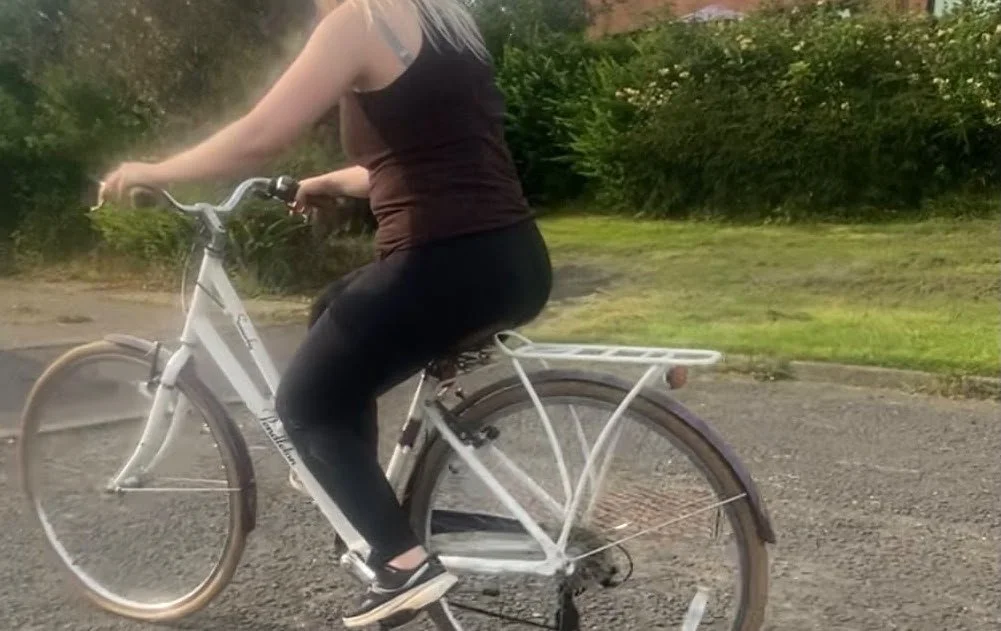
A body accustomed to cycling is not automatically accustomed to repeated changes of direction. Someone who regularly lifts weights may still notice a long downhill walk. A regular walker may find that a first dance or fitness class challenges different areas.
RCMM’s Sports Injury and Sports Recovery page explains how unfamiliar activity, changes in training and returning after time away can affect ordinary active adults—not only competitive athletes.
Why Can A New Activity Make You Sore?
A new activity may introduce a type or amount of work your body has not met recently.
That could involve:
moving through a different range
repeating one action many times
changing direction quickly
lowering or braking your body
reaching or rotating more than usual
spending longer in a crouched or bent position
accelerating and slowing down
balancing on one leg
gripping equipment
continuing for longer than your normal activity
The individual movement may not look particularly difficult.
The difference is often in the combination.
A fitness class might include repeated squats, steps, reaches and floor transitions. Recreational sport may combine running, stopping, turning and reacting. Gardening can involve kneeling, lifting, carrying and staying bent forward.
Each activity creates its own mix of demand.
Being Active Does Not Make Every Activity Familiar
It is possible to be fit in one context and still feel sore after another.
Examples include:
a runner feeling their shoulders after kayaking
a cyclist noticing their calves after hillwalking
a gym-goer feeling sore after badminton
a regular walker noticing their thighs after a dance class
someone who attends yoga feeling worked after gardening
a golfer noticing their legs after a long circuit class
This does not necessarily mean the person is unfit.
It means the new activity asked for something different.
Your recent activity history matters more than whether you generally think of yourself as active.
Research consistently associates delayed-onset muscle soreness with strenuous or unfamiliar loading, particularly when the body has not recently experienced that type of work. (PubMed Central (PMC)
Why Does The Soreness Sometimes Appear Later?
Delayed-onset muscle soreness does not usually begin at its strongest during the activity.
It often becomes more noticeable over the following day and may peak somewhere within the next 24 to 72 hours. The exact experience varies according to the activity and the individual. (PubMed Central (PMC))
People may notice:
tenderness when pressing the muscle
stiffness after sitting still
discomfort during the first few movements
reduced confidence using the area
temporary changes in comfortable range
an activity such as stairs feeling more demanding
The mechanisms behind DOMS are complex. Researchers have proposed several interacting processes rather than one single explanation.
It is therefore inaccurate to reduce the experience to:
“The muscles filled with lactic acid.”
Studies have not found lactate to be the cause of soreness that appears a day or two later. (PubMed)
It is also too simplistic to say that soreness means the muscle has been successfully “torn down” and will now grow stronger.
Adaptation to exercise involves several processes, and the amount of soreness does not tell us how useful a session was.
Why Can Lowering And Braking Movements Feel Particularly Noticeable?
Muscles do not only create movement by shortening.
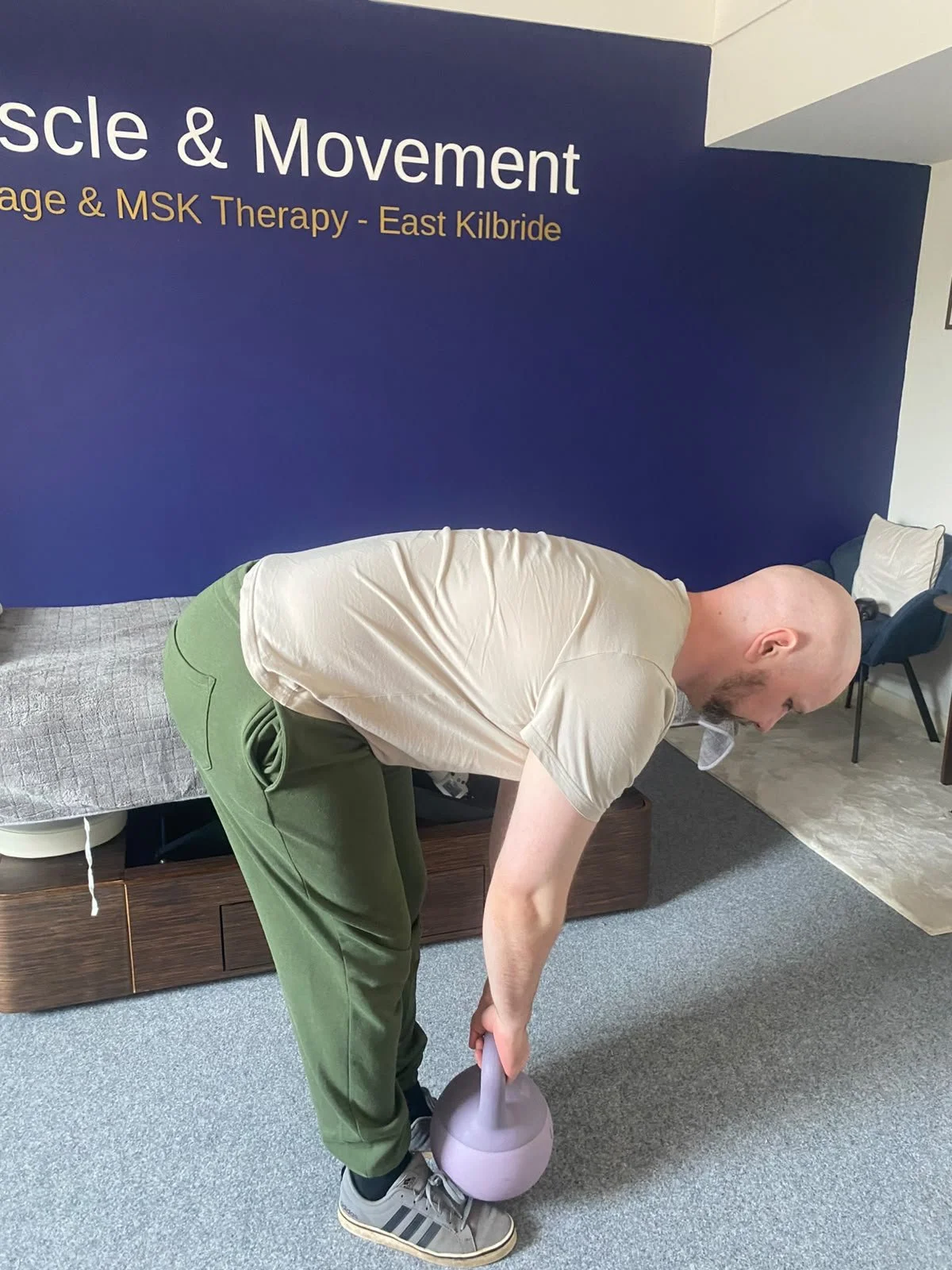
They also produce force while lengthening to control, lower or slow the body. This is often called an eccentric muscle action.
Everyday and recreational examples include:
walking downhill
lowering into a squat or lunge
coming down stairs
landing from a small jump
slowing after a run
lowering yourself towards the floor
controlling a racket or throwing action
returning a weight to its starting position
Unfamiliar exercise containing a large amount of this lowering or braking work is particularly associated with DOMS. (PubMed Central (PMC))
This helps explain why a downhill walk may leave your thighs more noticeable than an easier-looking flat route.
It also explains why a class with lots of controlled lowering can feel different from your usual walk, cycle or gym session.
Why Is The First Session Often The Most Noticeable?
The body adapts to repeated exposure.
When someone completes a similar activity again, they will often experience less soreness and disruption than they did after the first unfamiliar session.
Researchers describe this as the repeated-bout effect.
A systematic review and meta-analysis found evidence of this protective response after repeated multi-joint exercise. Earlier controlled research also found less soreness when people repeated a similar eccentric exercise after their first exposure. (PubMed)
In practical terms:
the first class may leave your legs very noticeable
the second or third may produce less soreness
movements that initially felt unfamiliar may become easier to coordinate
the same amount of work may no longer feel as disruptive
This is not guaranteed.
The next session can still leave you sore, particularly if the intensity, duration or exercise selection increases.
But it explains why the first encounter with a new activity can feel disproportionately demanding.
Does Soreness Mean The Activity Was Effective?
Not necessarily.
Soreness tells you that the activity created an unfamiliar or demanding response.
It does not reliably tell you:
how much fitness you gained
whether the session was well designed
whether you became stronger
whether you used the “correct” muscles
whether you need to make the next session harder
whether the activity was safe
whether the same amount of soreness should happen again
The repeated-bout effect is useful here.
The same activity can produce less soreness once it becomes familiar, even though the person is still taking part and adapting to it. That means soreness cannot be treated as a score for exercise quality. This is an inference supported by repeated-exposure research. (PubMed)
A session can be useful without making it difficult to move for the next three days.
Equally, feeling sore does not automatically mean you did something wrong.
Ordinary Soreness Or Something That Needs Attention?
No webpage can diagnose the cause of your symptoms.
However, the way the soreness began, how severe it feels and how it affects normal function can help you decide whether it resembles an ordinary response to unfamiliar activity.
More consistent with ordinary post-activity soreness
You may notice that it:
developed later rather than during one sudden incident
affects muscles used heavily during the activity
feels achy, stiff or tender
is present on both sides after a symmetrical activity
remains manageable
begins to settle rather than becoming progressively worse
allows you to continue normal light movement
improves as you warm up, although the area may still feel worked
Worth discussing with an appropriate professional
Seek advice when you notice:
a sudden sharp pain during the activity
substantial swelling
significant bruising
marked weakness
an inability to bear weight
major loss of movement or normal function
new numbness or persistent tingling
symptoms that are severe or rapidly worsening
pain that is not beginning to settle as expected
uncertainty about whether an injury occurred
Very severe muscle pain or swelling accompanied by dark brown urine or feeling acutely unwell requires prompt medical attention, as those symptoms can be associated with rhabdomyolysis rather than ordinary exercise soreness. (North Bristol NHS Trust)
The aim is not to make normal soreness sound dangerous.
It is to avoid treating every post-activity symptom as harmless simply because exercise happened beforehand.
Should You Avoid The Activity Next Time?
Ordinary soreness does not automatically mean you must stop the activity permanently.
It may mean that the first session introduced more demand than your body was recently accustomed to.
A practical approach is to return from your current level, rather than trying to repeat the hardest version immediately.
You might change one part of the activity:
shorten the session
reduce the resistance
use a steadier pace
take more breaks
attend less frequently at first
avoid increasing several things at the same time
You do not need to make every adjustment at once.
Changing one factor makes it easier to understand how your body responds.
Current UK physical-activity guidance encourages people to build gradually from their present level. NHS Inform also advises managing progression, preparation and recovery rather than repeatedly placing the same area under heavy demand without enough time to adapt. (GOV.UK)
Do You Need To Wait Until Every Ache Has Gone?
There is no universal rule that fits every activity or every person.
Consider:
how strong the soreness feels
whether it is improving
whether you can move normally
what the next activity involves
whether the same muscles will face another demanding session
whether you feel generally well
Light everyday movement may feel comfortable even while some soreness remains.
A demanding class or match may be different.
You do not need to prove that you can push through discomfort. Nor does every trace of soreness mean complete rest is required.
The useful question is:
Can I take part at a level that feels manageable and appropriate today?
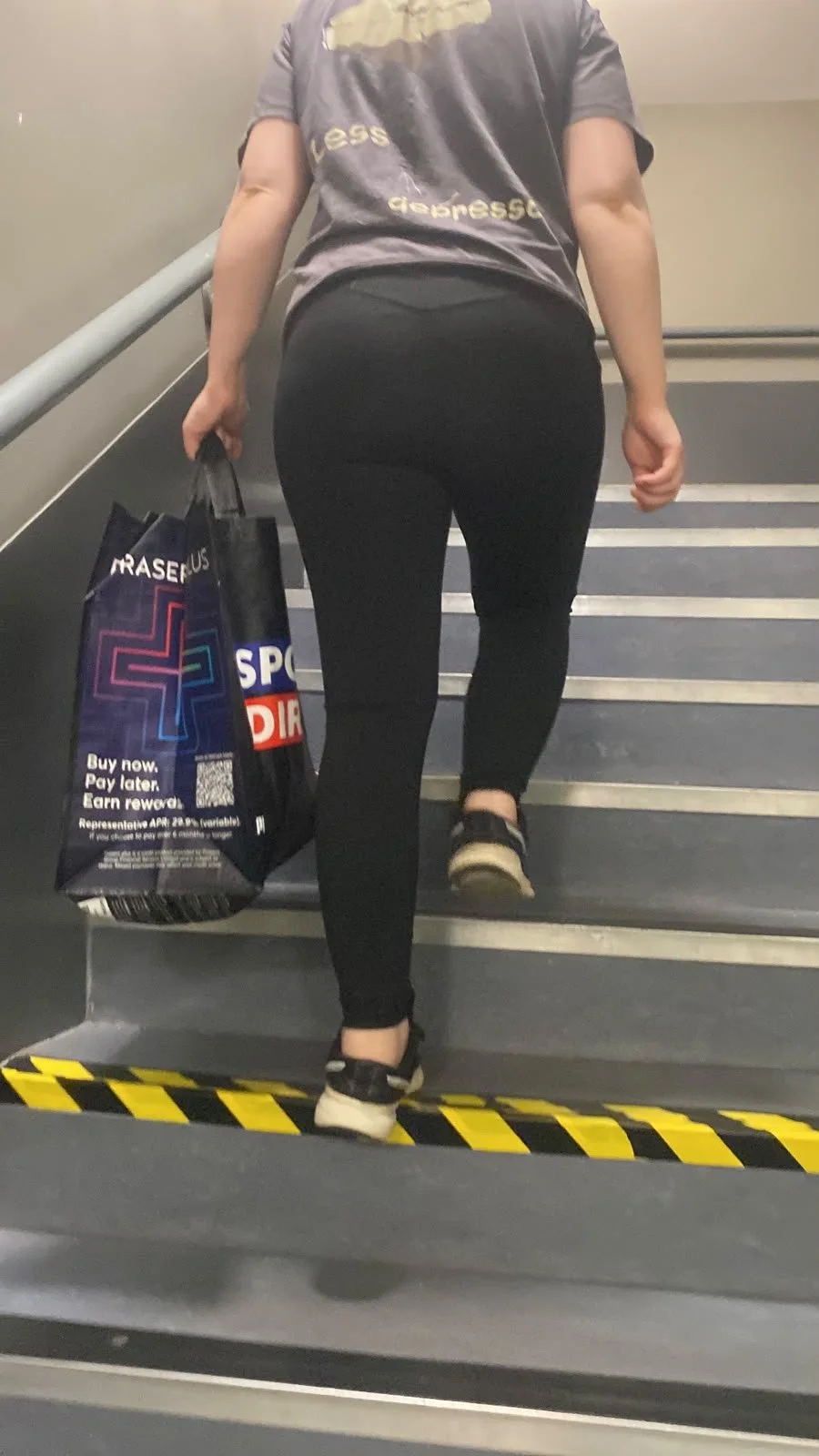
Don’t Discount Your Daily Tasks & Work
what we do daily can cause the same overload on the body from work , home chores and daily tasks
Everyday Activity Can Create The Same Type Of Surprise
Unfamiliar demand does not only come from organised exercise.
Someone can experience a similar response after:
a full day in the garden
decorating
moving furniture
a long hill walk
carrying equipment
playing energetically with children
completing a physical job they have not done recently
Our article Why Does Gardening Feel Like a Workout? explains how an ordinary task can combine lifting, carrying, kneeling, reaching and repeated effort.
The body responds to the demand placed on it.
It does not classify one activity as “proper exercise” and another as “just a hobby”.
Where Sports Massage Fits
This article explains why unfamiliar activity can leave you sore.
It does not answer whether massage speeds up physical recovery.
Those are separate questions.
Sports Massage may help some people feel more comfortable after demanding activity, but feeling less sore does not prove that strength, endurance or readiness for another hard session have fully recovered.
Our separate article Does Sports Massage Help Recovery After Training? examines that evidence and gives massage its appropriate role.
When RCMM May Be Useful
Routine soreness after an unfamiliar class or sport does not automatically need treatment.
RCMM may be useful when:
one particular area repeatedly becomes more noticeable
the same concern returns whenever activity increases
soreness is affecting confidence or consistency
a movement feels different without a clear reason
several areas appear connected
you are unsure whether massage, assessment or another route is appropriate
Sports Massage
Sports Massage may suit you when one or two identifiable areas feel repeatedly tight, worked or uncomfortable around your activity.
It provides targeted hands-on support rather than a complete training or rehabilitation programme.
Movement & Function Assessment
A Movement & Function Assessment may be a better starting point when the concern:
repeatedly returns
affects several areas
feels difficult to explain
is changing how you participate
has not responded as expected
leaves you unsure what to do next
RCMM works within its Sports Therapy, massage and movement-focused scope. If something appears to need another type of assessment, Ross will explain that clearly and help guide you towards an appropriate next step.
Key Takeaways
A new sport or fitness class can leave you sore because it introduces unfamiliar positions, speeds, ranges and repeated actions.
You can experience this even when you are already active.
Delayed-onset muscle soreness usually appears after the activity rather than during it.
Lowering and braking movements are commonly associated with a stronger soreness response.
The first exposure is often the most noticeable. Similar later sessions may produce less soreness as the body adapts.
Soreness is not a score for workout quality.
Build activity gradually from your current level rather than increasing several demands at once.
Seek appropriate advice for sudden, severe, worsening or function-limiting symptoms.
FAQs
Why am I sore after my first fitness class?
A first class can combine unfamiliar movements, ranges, speeds and repetitions. Your muscles may therefore meet a type or amount of demand they have not experienced recently, even when the class felt manageable at the time.
Can a new sport make me sore even when I already exercise?
Yes. Fitness and movement familiarity are specific. A person accustomed to cycling, walking or gym training may still feel sore after a sport involving different positions, changes of direction or braking movements.
Why am I more sore two days after exercise?
Delayed-onset muscle soreness often develops after the activity and may be most noticeable within the next 24 to 72 hours. The exact timing varies. (PubMed Central (PMC))
Is DOMS caused by lactic acid?
No. Research does not support lactic acid as the cause of soreness that appears a day or two after exercise. (PubMed)
Does being sore mean the exercise worked?
Not necessarily. Soreness mainly indicates that the demand was unfamiliar or substantial enough to produce a response. A useful session does not need to leave you very sore.
Why do my thighs hurt after walking downhill?
Walking downhill asks the thigh muscles to produce force while lengthening to control your descent. Unfamiliar lowering or braking work is particularly associated with delayed soreness.
Will I be as sore after the second class?
Possibly, but repeated exposure often produces less soreness than the first unfamiliar session. This is known as the repeated-bout effect. (PubMed)
Should I train when I still have DOMS?
There is no universal answer. Consider how severe the soreness feels, whether it is improving, whether you can move normally and what the next activity requires. A lighter or modified session may be more appropriate than repeating the hardest version immediately.
When is soreness not normal?
Seek advice for sudden sharp pain, substantial swelling or bruising, marked weakness, an inability to bear weight, numbness, major loss of function or symptoms that are severe or worsening.
Can Sports Massage help after a new activity?
Sports Massage may help an area feel more comfortable, but it does not prove that physical performance has fully recovered. Read Does Sports Massage Help Recovery After Training? for the separate evidence-based answer.

Source Base Used
UK Chief Medical Officers’ Physical Activity Guidelines
Used to support gradual progression from current activity levels and the wider value of physical activity across adulthood and older age. (GOV.UK)
NHS Inform — How to Reduce Your Risk of Injury From Exercise or Physical Activity
Used for practical guidance on preparation, recovery and avoiding repeated heavy demand without adequate progression. (NHS Inform)
Doma K, et al. The Repeated Bout Effect of Multiarticular Exercises on Markers of Muscle Damage and Physical Performance: A Systematic Review and Meta-Analysis. 2023.
Used to support the repeated-bout effect after multi-joint exercise. (PubMed)
Cleary MA, et al. Temporal Pattern of the Repeated Bout Effect of Eccentric Exercise on Delayed-Onset Muscle Soreness. 2002.
Used for the timing of DOMS and the reduction in soreness after repeated exposure to similar eccentric exercise. (PubMed Central (PMC))
Mizumura K, Taguchi T. Delayed-Onset Muscle Soreness: Involvement of Neurotrophic Factors. 2015.
Used to support the association between DOMS, unfamiliar strenuous activity and eccentric muscle actions, while avoiding a single oversimplified mechanism. (PubMed Central (PMC))
Hody S, et al. Eccentric Muscle Contractions: Risks and Benefits. 2019.
Used to support the relationship between unfamiliar eccentric loading and delayed soreness. (PubMed Central (PMC))
Schwane JA, et al. Is Lactic Acid Related to Delayed-Onset Muscle Soreness?
Used to reject the outdated claim that lactic acid causes soreness appearing one or two days after activity. (PubMed)
NHS clinical resources on rhabdomyolysis
Used only for the limited safety point that very severe muscle symptoms accompanied by dark urine or acute illness require prompt medical attention. (North Bristol NHS Trust)