Does Sports Massage Help Recovery After Training?
Summary
Sports massage may help reduce how sore someone feels after demanding or unfamiliar exercise.
Some people also notice that an area feels more comfortable or easier to move after a session. Research suggests massage may produce modest improvements in delayed-onset muscle soreness and short-term flexibility.
That does not necessarily mean the body has recovered its physical performance more quickly.
A major systematic review found no evidence that sports massage directly improved strength, jumping, sprinting, endurance or fatigue. It found small improvements in flexibility and delayed-onset muscle soreness instead.
This distinction matters.
Massage may help how recovery feels without being the thing that creates fitness, strength or training adaptation.
At RC Muscle & Movement, we see Sports Massage as one optional recovery tool. It may support comfort around a particular area, but it does not replace appropriate rest, sleep, food, sensible training decisions or time.
Educational Note
This article provides general education.
It is not medical advice, diagnosis or a personalised recovery plan.
RC Muscle & Movement provides movement-focused assessment, hands-on soft-tissue support and practical guidance within our Sports Therapy, massage and strength-informed scope.
Normal post-training soreness can sometimes feel uncomfortable. However, severe or worsening pain, significant swelling, an inability to bear weight, major loss of movement or symptoms following a substantial injury need appropriate medical assessment rather than routine recovery massage. NHS guidance advises seeking urgent help when an injury is very painful or worsening, produces substantial swelling, or makes normal weight-bearing or movement difficult.
What Does Recovery After Training Mean?
The word recovery can describe several different things.
Someone might mean:
feeling less sore
feeling less tired
moving more comfortably
restoring strength or performance
feeling ready to train again
adapting to the training they have completed
Those outcomes are connected, but they are not identical.
A person may feel less sore without their strength or endurance changing.
They may feel more comfortable during a warm-up without having fully recovered from a demanding session.
They may also feel physically tired while their body is still adapting normally to the work they have done.
Research into sports recovery distinguishes between changes in fatigue, perceived recovery, physical performance and the wider balance between training stress and restoration. Recovery is therefore broader than whether a muscle feels tight or sore.
This is why the question:
“Does sports massage help recovery?”
needs a more precise answer.
It may help some parts of the recovery experience.
It does not appear to improve every part of recovery.
RCMM’s Sports Injury & Recovery Page explains our approach to supporting you to keep you at your best for sports and gym.
Why Can Muscles Feel Sore After Training?
Soreness after training is often described as delayed-onset muscle soreness, usually shortened to DOMS.
DOMS commonly appears after unfamiliar or demanding exercise rather than necessarily during the activity itself. It is particularly associated with exercise that asks muscles to produce force while lengthening, such as controlling the lowering phase of a squat or walking downhill.
People may notice:
tenderness
stiffness
temporary discomfort during movement
heaviness
reduced range of comfortable movement
an area feeling more noticeable than usual
This does not automatically mean something has been injured.
It often reflects the body responding to a level or type of activity it was not fully accustomed to.
Examples may include:
returning to the gym after time away
introducing a new exercise
completing more sets than usual
running farther
increasing hill work
changing a training programme
taking part in a long event
doing an unfamiliar physical activity
Soreness is not a reliable measure of whether a training session was effective.
It is simply one possible response to training.
What Does the Research Say About Sports Massage?
The strongest useful answer is:
Sports massage may modestly improve soreness and flexibility, but it has not been shown to improve sporting performance directly.
A 2020 systematic review and meta-analysis examined 29 studies involving more than 1,000 participants.
It found no evidence that massage improved:
strength
jumping
sprinting
endurance
fatigue
It did find small statistically significant improvements in:
flexibility
delayed-onset muscle soreness
The authors concluded that massage did not improve performance directly, although it may offer some benefit for flexibility and DOMS.
An earlier meta-analysis also found that effects on performance recovery were generally small and partly unclear. Any potential effect appeared to depend on factors such as the activity, timing, massage duration and recovery period being studied.
Another large review comparing several post-exercise recovery methods found massage particularly useful for reducing perceived soreness and fatigue. However, the studies used varied exercise protocols, timings and massage approaches, so the result should not be read as a guarantee that every person or every session will respond in the same way.
The overall evidence is therefore more measured than many massage claims suggest.
Sports massage may help someone feel less sore.
It may help an area feel easier to move.
It does not make someone fitter, stronger or more conditioned.
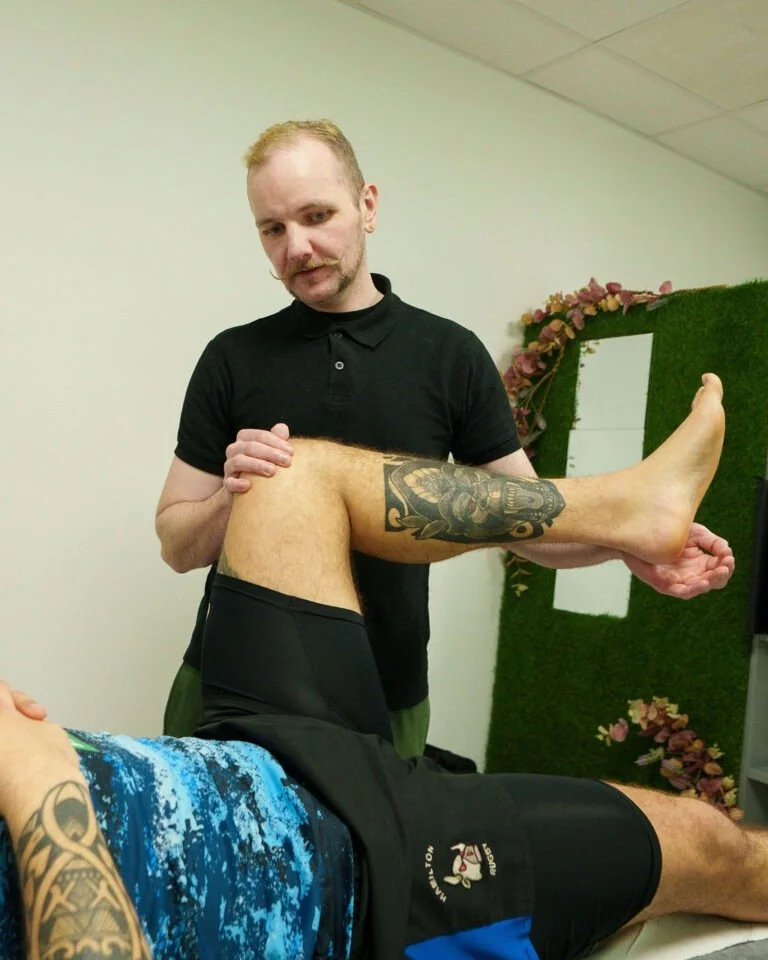
Massage May Help How Sore You Feel
The most consistent potential benefit relates to soreness.
Massage may reduce the intensity of DOMS for some people after strenuous activity.
That can be useful.
Soreness may affect:
walking
stairs
sitting down
getting up from a chair
returning to training
normal work
confidence in movement
Reducing that soreness does not mean massage has repaired or rebuilt the muscle.
It means the person’s experience of soreness may have changed.
A randomised trial involving habitual runners illustrates this distinction clearly. Massage produced a small reduction in pain intensity but did not improve fatigue, mood or physical performance.
Someone can therefore feel somewhat better without showing a measurable improvement in running or exercise performance.
That is still a valid reason to value massage.
Comfort matters.
The expectation simply needs to remain realistic.
Feeling Better Is Not the Same as Recovering Performance
Imagine someone completes a demanding leg session.
The next day, their legs feel:
heavy
tender
stiff
slower than usual
After Sports Massage, they may describe their legs as:
lighter
less tense
more comfortable
easier to move
Those changes may be meaningful.
But they do not prove that the person has recovered:
maximum strength
sprint speed
power
endurance
readiness for another hard session
The research does not support using massage as a direct performance-enhancing method.
This does not make massage pointless.
It gives massage a clearer role.
Sports Massage may support comfort around training.
It is not a substitute for managing the training itself.
Can Sports Massage Improve Flexibility?
The 2020 review found a small improvement in flexibility following massage.
This may help explain why some people feel an area moves more freely after a session.
However, a short-term change in flexibility does not necessarily mean:
tissue has been permanently lengthened
a joint has been realigned
a muscle has been structurally corrected
movement will remain different indefinitely
It is more accurate to say:
The available range may feel easier or more comfortable for a while.
How long that change lasts will vary.
It may also be influenced by:
what the person does afterwards
their training load
how sore they were
their normal range of movement
their confidence
their wider recovery
what the session involved
That is different from promising a permanent mobility change.
What Sports Massage Cannot Replace
Massage is one possible part of recovery.
It cannot replace the wider conditions that allow someone to respond to training.
These include:
appropriate rest between demanding sessions
adequate sleep
sufficient food
replacing fluids lost during activity
manageable training progression
lighter periods when needed
time
gradual adaptation
Recovery is influenced by both the physical demands of training and the demands surrounding it. Work, travel, stress, sleep and general life can all affect how ready someone feels for the next session.
This means massage cannot fully compensate for:
repeatedly training beyond current capacity
sudden large increases in workload
consistently poor sleep
not eating enough to support activity
ignoring significant pain
repeatedly returning to hard training before feeling ready
Sports Massage may make part of the process feel more manageable.
It does not remove the need to make sensible training decisions.
Our article on why movement can feel harder on some days than others explores how sleep, stress, workload and recent activity can combine to influence how the body feels.
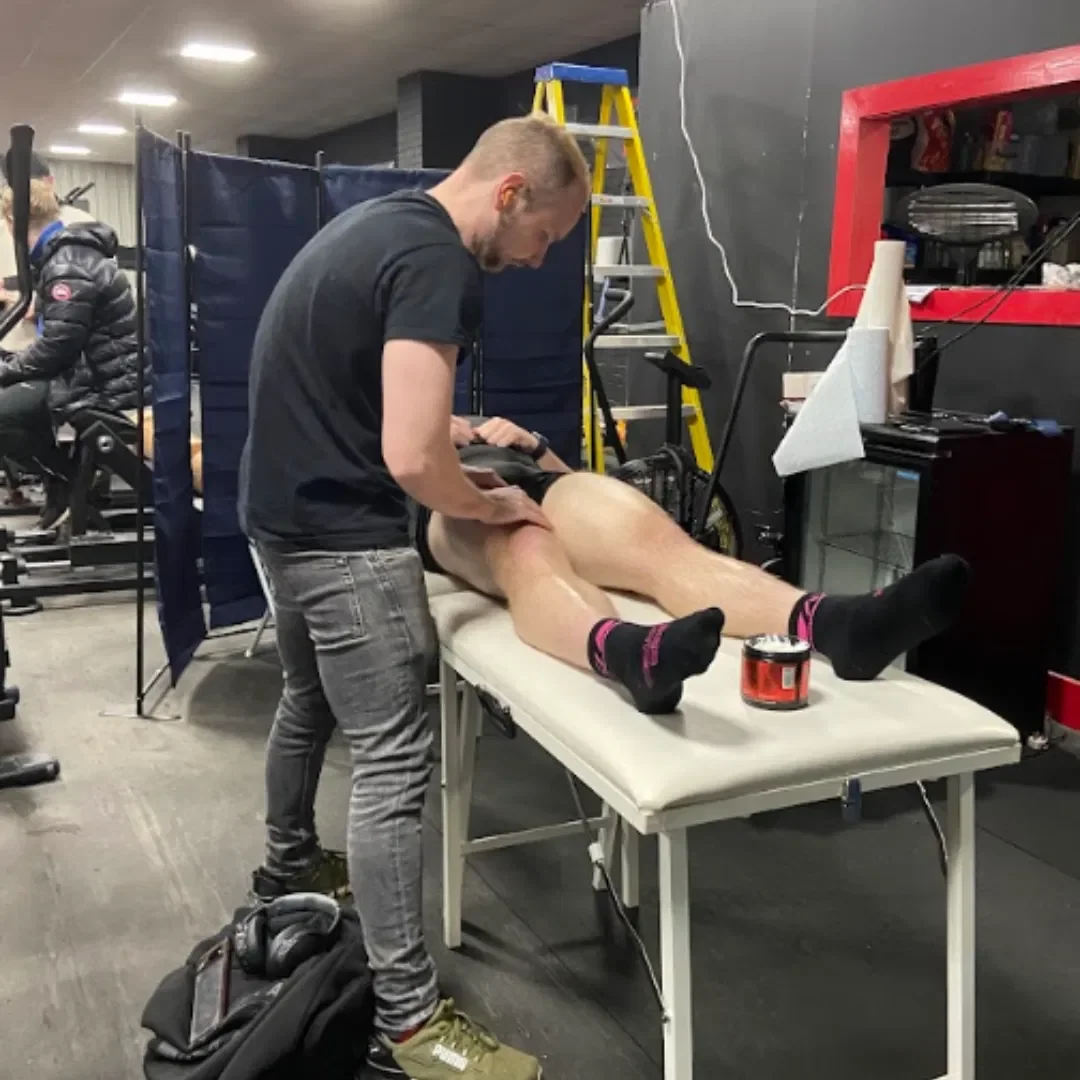
While Sports Massage is Beneficial for Sports & Training
Its only one piece of the puzzle and works best as a tool alongside good sleep , nutrition and training form
Where Sports Massage May Fit After Training
There is no single timetable that suits everyone.
Someone may consider Sports Massage when:
one area feels particularly worked
soreness is affecting normal comfort
a training block has created a build-up of local tension
they value hands-on support after demanding activity
they want an area to feel easier to move
they are balancing training with a physically demanding week
they want targeted rather than full-body massage
The reason for booking matters.
A person may not be trying to recover performance faster.
They may simply want:
less soreness
targeted attention
time to slow down
an area to feel more comfortable
support during a demanding training period
Those are reasonable goals.
The role of massage should be agreed around the person rather than assumed from the word recovery.
You can read more about what an RCMM Sports Massage session involves and how targeted treatment fits the Movement Path.
Should You Have Sports Massage Before Training?
Some people book massage before training, an event or a competition because they like how it makes movement feel.
That does not mean the massage has improved their physical performance.
The current evidence does not justify promising that pre-event massage will make someone:
stronger
faster
more powerful
less likely to become injured
more enduring
Reviews of the evidence have not found reliable direct improvements in sporting performance.
The practical question is therefore not:
“Will massage improve my performance?”
It is:
“What do I want from this session, and how do I usually respond?”
Some people prefer massage away from their hardest training.
Others may choose it because targeted hands-on work feels useful during a particular phase.
There is no universal rule.
For local support around gym training, recreational sport and recurring training-related tightness, explore Gym & Training Support in East Kilbride.
How Often Should You Book Sports Massage?
There is no evidence-based appointment frequency that suits every active person.
A fixed schedule such as every two weeks or every four weeks cannot account for differences in:
training volume
type of activity
current soreness
age
recovery
preference
goals
budget
response to massage
Some people book occasionally after a demanding period.
Some include it more regularly because they value the comfort and routine.
Others do not use massage at all.
Sports Massage is optional.
It should not become something a person feels they must book simply because they exercise.
A useful question is:
“Is this session helping with something that matters to me?”
That could be:
comfort
soreness
movement ease
managing a particular area
feeling physically less overloaded
If the answer is unclear, an automatic schedule may not be necessary.
What Should You Notice After a Session?
You do not need to analyse every detail.
A few simple observations are enough.
Notice:
Does the area feel less sore?
Does movement feel more comfortable?
Does the area feel tender after treatment?
Does anything feel unchanged?
How long does the change last?
Does normal training feel different?
Does the same feeling return under the same workload?
Was the session useful for the goal you had?
It is also normal for a firm treatment area to feel tender for a period afterwards.
Pressure should remain purposeful and adapted to the person.
More pressure does not automatically create better recovery.
The aim is not to tolerate as much discomfort as possible.
The aim is to provide targeted support that makes sense for the person and their goal.
What If the Same Tightness Keeps Returning?
Post-training tightness and recurring tightness are not always the same question.
An area may feel worked after a demanding session and settle normally.
But sometimes the same area repeatedly becomes tight or restricted, even when the training changes very little.
In that situation, it may be useful to consider:
training volume
exercise selection
sudden workload changes
movement confidence
strength or control
recovery outside training
work demands
repeated positions
whether several areas are involved
Massage may still help the area feel more comfortable.
But it does not automatically change the demands that keep recreating the feeling.
Our article on why tightness can come back after massage explains this wider picture in more detail.
When Something May Need More Than Recovery Massage
Ordinary post-training soreness often settles with time.
Massage may be considered when the main issue is local soreness, tightness or comfort.
It is not the right response to every physical problem.
Further assessment may be more appropriate when:
pain started suddenly during activity
there was a fall, impact or other significant injury
swelling is substantial
normal movement has changed considerably
you cannot bear weight normally
symptoms are worsening
numbness or loss of feeling is present
the same issue keeps returning without a clear reason
you are unsure whether it is ordinary soreness
NHS guidance recommends seeking medical help when an injury is very painful or worsening, produces significant swelling or bruising, or makes weight-bearing and movement difficult.
If the issue is recurring or unclear rather than urgent, a Movement & Function Assessment may help build a clearer picture of what is contributing.
How RCMM Approaches Sports Massage
RCMM uses Sports Massage as targeted hands-on support.
The session starts with a conversation.
Ross may ask:
What have you been training?
What has changed recently?
Where do you feel sore or tight?
When is it most noticeable?
Is it affecting training or everyday movement?
What would make the session useful for you?
How do you normally respond to massage?
The treatment then focuses on the areas most relevant to the person.
Pressure is adjusted throughout.
The aim is not to:
break down knots
flush out toxins
force the muscle to relax
prove that deep pressure is better
promise faster adaptation
create dependency on regular treatment
The aim is to provide targeted support that may help the area feel more comfortable and easier to move.
Sports Massage sits within RCMM’s Movement Path:
“I know where the problem is.”
It suits someone who can identify a particular tight, worked or restricted area and wants focused hands-on support.
You Do Not Need to Be a Competitive Athlete
Training does not need to mean elite sport.
This article may be relevant to someone who:
lifts weights recreationally
runs for enjoyment
cycles
swims
plays golf
attends exercise classes
walks long distances
has recently returned to activity
plays a local sport
trains around work and family life
The physical principles are the same.
Activity places demand on the body.
Recovery helps the person respond to that demand.
Massage may support comfort within that process.
It does not matter whether there is a medal involved.
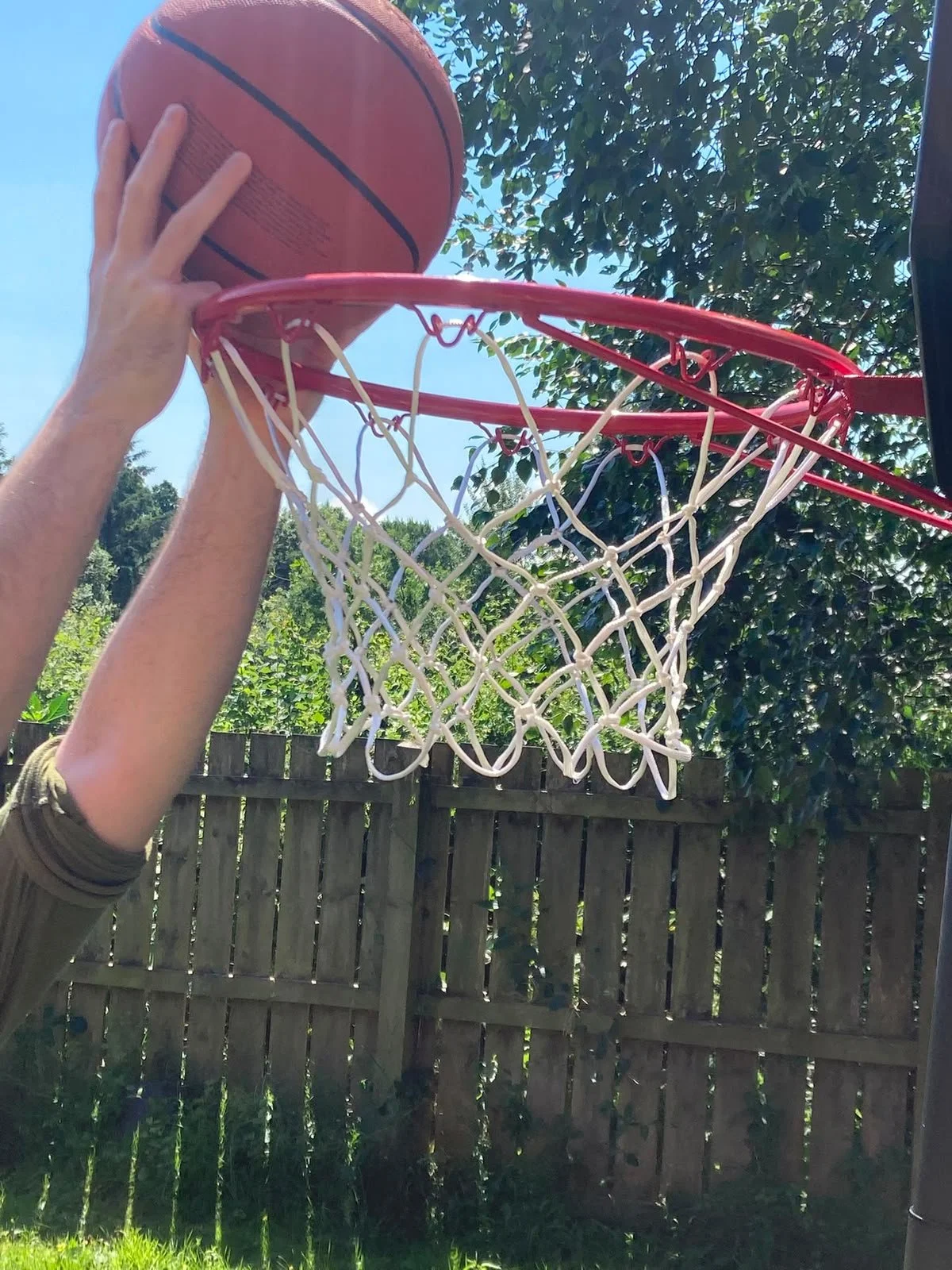
<— Here’s Ross at home dunking a basket we as a family often play recreational sports with our kids in the garden or at parks. That still counts as workout and placing demands on your body.
Do You Have to Play Sport to See a Sports Therapist?
That article explains why Sports Therapy and Sports Massage are not reserved for competitive athletes.
Key Takeaways
Sports massage may help reduce perceived soreness after demanding or unfamiliar exercise.
Research also suggests a small potential improvement in short-term flexibility.
However, massage has not been shown to directly improve:
strength
sprint performance
jumping
endurance
overall fatigue
Massage may therefore improve how recovery feels without measurably restoring performance more quickly.
It is one optional recovery tool.
It does not replace:
appropriate rest
sleep
food
hydration based on activity
sensible training progression
time
There is no universal appointment frequency.
The useful question is not:
“How often should every active person get a massage?”
It is:
“What do I want help with, and is massage helping with that?”
At RCMM, Sports Massage is best suited to a clear, targeted area that feels sore, tight, worked or restricted around training or activity.
How RCMM Can Help
RC Muscle & Movement is a movement-first MSK, Sports Therapy and massage clinic in East Kilbride.
We support everyday adults whose physical demands come from:
training
work
walking
hobbies
family life
sport
normal weekly activity
If one particular area feels tight, sore or overworked, Sports Massage may provide useful targeted support.
If the same concern repeatedly returns, feels unclear or seems connected to several areas, a Movement & Function Assessment may be the clearer starting point.
The aim is not to promise faster recovery.
It is to help you understand what support fits, move more comfortably and make realistic decisions around your activity.
FAQs
Does sports massage speed up recovery?
Sports massage may reduce perceived soreness and help an area feel more comfortable. Research has not shown that it reliably restores strength, speed, endurance or sporting performance more quickly.
Does sports massage help DOMS?
Research suggests massage may modestly reduce delayed-onset muscle soreness after demanding exercise. The response varies between people and does not necessarily mean physical performance has recovered faster.
Does sports massage improve athletic performance?
Current systematic reviews do not show direct improvements in strength, jumping, sprinting, endurance or fatigue. Some small improvements in flexibility have been reported.
Should I have sports massage before or after training?
There is no universal answer. Timing should reflect why you are booking, how you usually respond, the type of session and what activity you plan to do afterwards. Massage should not be relied upon to improve performance.
Is sports massage necessary for recovery?
No. Many people recover from training without massage. It is an optional tool that some people value for soreness, comfort or targeted hands-on support.
How often should I book sports massage?
There is no research-backed schedule that suits everybody. Frequency depends on your goal, activity, response, preferences and circumstances.
Is soreness after training always a problem?
No. Delayed soreness is common after unfamiliar or demanding exercise. Severe, worsening or unusual pain, major swelling or a significant loss of normal movement should be assessed appropriately.
Can I train after sports massage?
That depends on the treatment, how you feel and the training you intend to do. Massage does not guarantee readiness for a hard session. Use your normal judgement around soreness, fatigue and performance.
Do I need to be an athlete to book Sports Massage?
No. Sports Massage may suit recreationally active people and everyday adults as well as competitive athletes. The useful question is whether you have a specific area that feels sore, tight, worked or restricted.
What should I book if the same area keeps tightening?
Sports Massage may suit a clear local area that needs targeted hands-on support. If the issue keeps returning, feels unclear or affects several areas, Movement & Function Assessment may provide a better starting point.
Source Base Used
Davis HL, Alabed S, Chico TJA. Effect of sports massage on performance and recovery: a systematic review and meta-analysis. BMJ Open Sport & Exercise Medicine. 2020.
Used for findings that massage did not directly improve strength, jumping, sprinting, endurance or fatigue, but was associated with small improvements in flexibility and delayed-onset muscle soreness.Poppendieck W, Wegmann M, Ferrauti A, et al. Massage and performance recovery: a meta-analytical review. Sports Medicine. 2016.
Used for the finding that effects on performance recovery were small, context-dependent and partly unclear.Dupuy O, Douzi W, Theurot D, et al. An evidence-based approach for choosing post-exercise recovery techniques to reduce markers of muscle damage, soreness, fatigue and inflammation. Frontiers in Physiology. 2018.
Used for evidence concerning massage, delayed-onset muscle soreness and perceived fatigue within the wider range of post-exercise recovery methods.Bender PU, da Luz CM, Feldkircher JM, Nunes GS. Massage therapy slightly decreased pain intensity after habitual running, but had no effect on fatigue, mood or physical performance: a randomised trial. Journal of Physiotherapy. 2019.
Used to distinguish a reduction in perceived pain from measurable changes in fatigue or performance.Kellmann M, Bertollo M, Bosquet L, et al. Recovery and performance in sport: consensus statement. International Journal of Sports Physiology and Performance. 2018.
Used for the wider understanding of recovery as a balance between fatigue, training demands and restorative processes rather than a single treatment or sensation.Cheung K, Hume P, Maxwell L. Delayed onset muscle soreness: treatment strategies and performance factors. Sports Medicine. 2003.
Used for background information on delayed-onset muscle soreness and its relationship with unfamiliar or demanding exercise, particularly eccentric muscle actions.NHS. Sprains and strains.
Used for guidance on when severe or worsening pain, significant swelling, loss of movement or inability to bear weight requires medical advice rather than routine self-management.