
Everyday Movement Support in East Kilbride
Work, home life and everyday routines all ask something of your body.
If bending, carrying, driving, sitting, gardening or simply getting through your normal day has started feeling less comfortable, RC Muscle & Movement can help you work out the sensible next step.
RC Muscle & Movement supports people across everyday tasks , work and care responsibilities.
How RCMM can help
-
Understand what’s getting in the way
For something recurring, unclear or making normal movement and everyday tasks harder than they used to be
-
Support everyday movement
Practical Sports Therapy and hands-on treatment built around what your work, home life and routines actually ask you to do.
-
Comfort and maintenance
Massage when the main aim is muscular comfort, regular maintenance or simply feeling less wound-up after a physically demanding week.
When everyday movement starts getting in the way
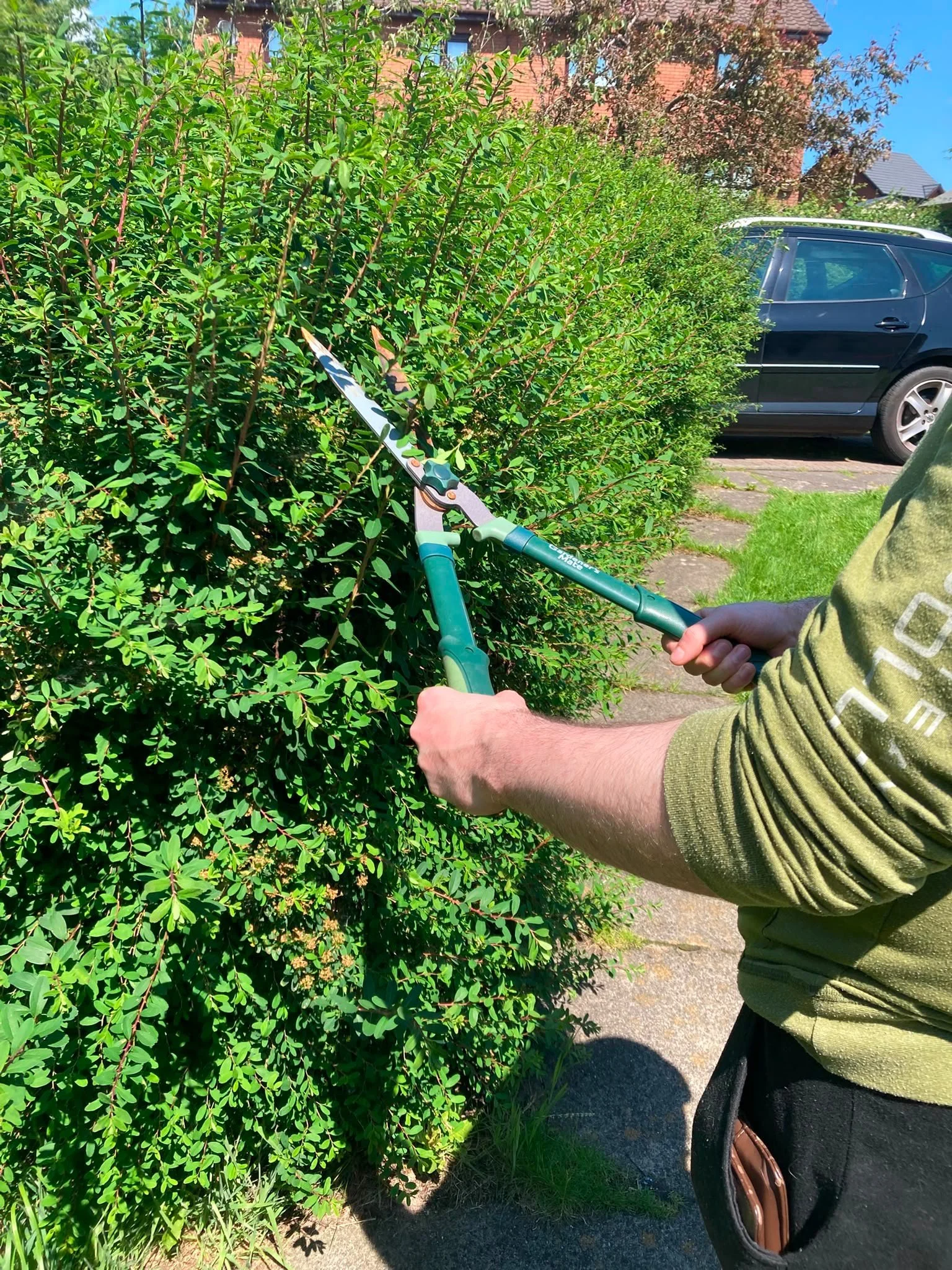
Your back starts bothering you after a weekend in the garden.
Your shoulder has been making itself known since decorating.
Long days driving leave you feeling stiff when you get out of the vehicle.
Bending, crouching or reaching at work has become something you think about more than you used to.
Or perhaps there was no obvious moment at all. Something has simply become harder to ignore during your normal routine.
You do not need to know exactly what is responsible before getting in touch.
Start with what is bothering you and what you need to be able to do.
Everyday life looks different for everyone
You do not need to train or play sport for your day to place physical demands on you.
-
Desk work & commuting
Long days sitting, working at a computer or travelling between places.
-
Driving & physical work
Jobs involving driving, standing, lifting, carrying or repeated physical tasks.
-
Home, DIY & gardening
Decorating, gardening, cleaning, moving things around and jobs that suddenly ask you to do more than usual.
-
Family, hobbies & everyday life
Caring responsibilities, walking, stairs, hobbies and the ordinary things you want to keep doing.
When everyday movement starts getting in the way
Your back starts bothering you after a weekend in the garden.
Your shoulder has been making itself known since decorating.
Long days driving leave you feeling stiff when you get out of the vehicle.
Bending, crouching or reaching at work has become something you think about more than you used to.
Or perhaps there was no obvious moment at all. Something has simply become harder to ignore during your normal routine.
You do not need to know exactly what is responsible before getting in touch.
Start with what is bothering you and what you need to be able to do.
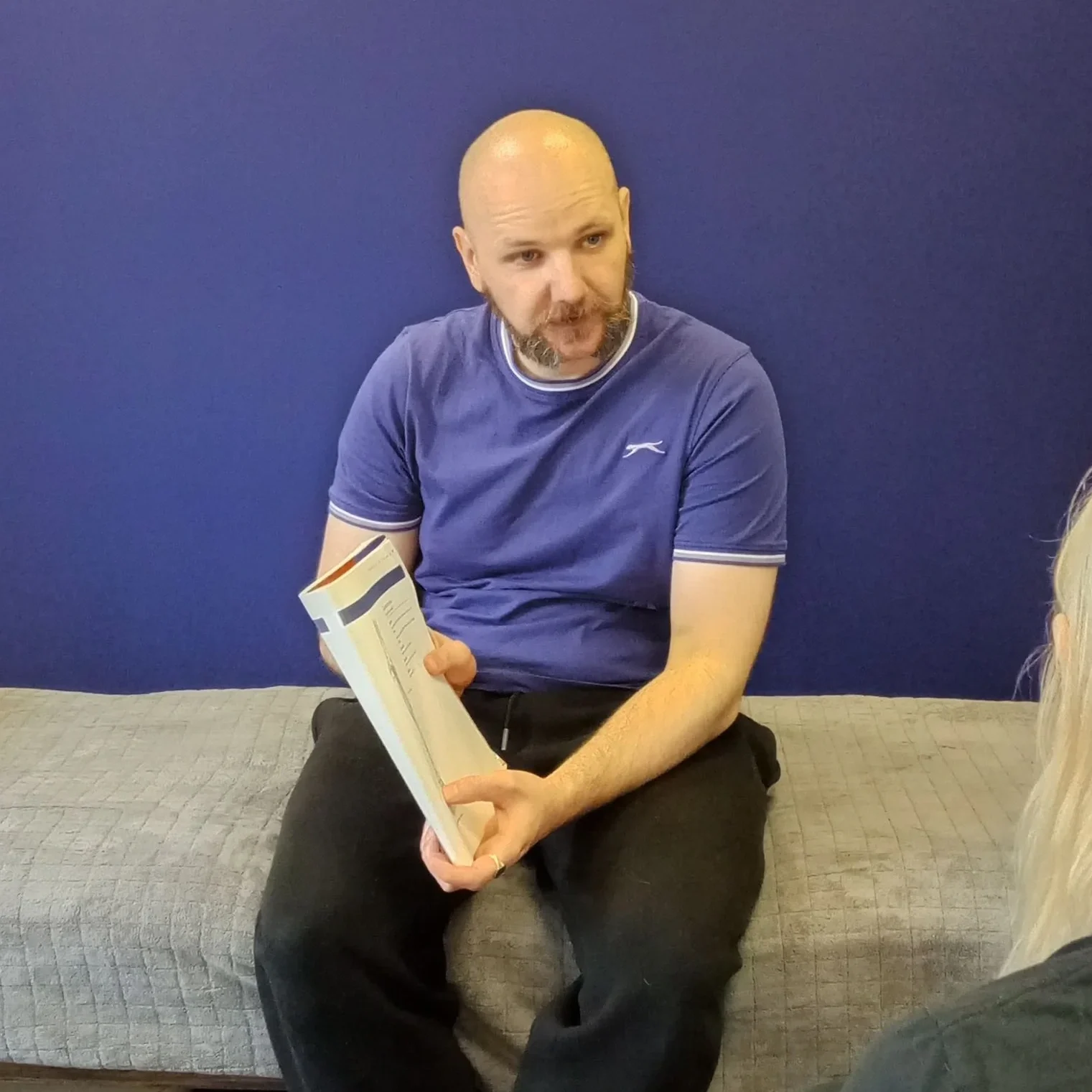
Sports Therapy with Ross Canning
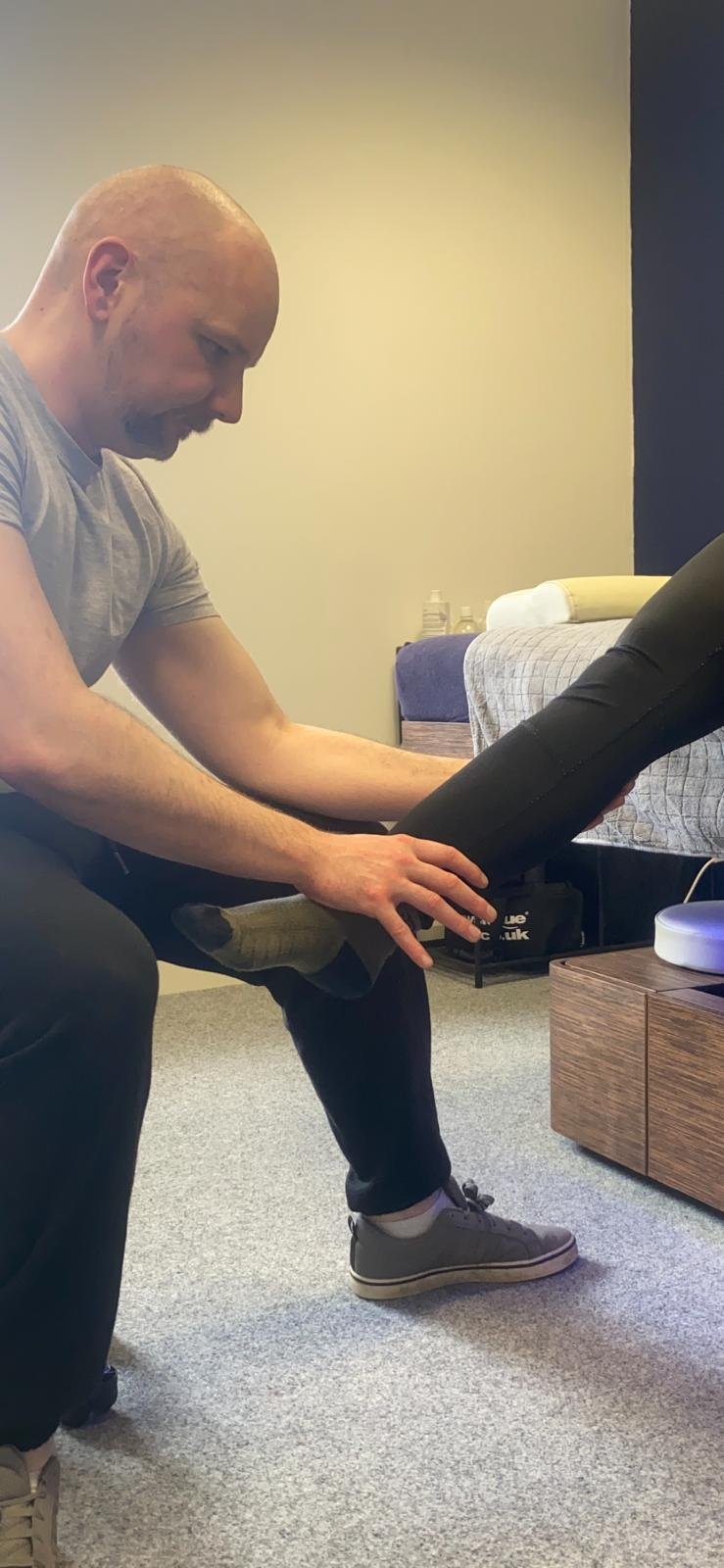
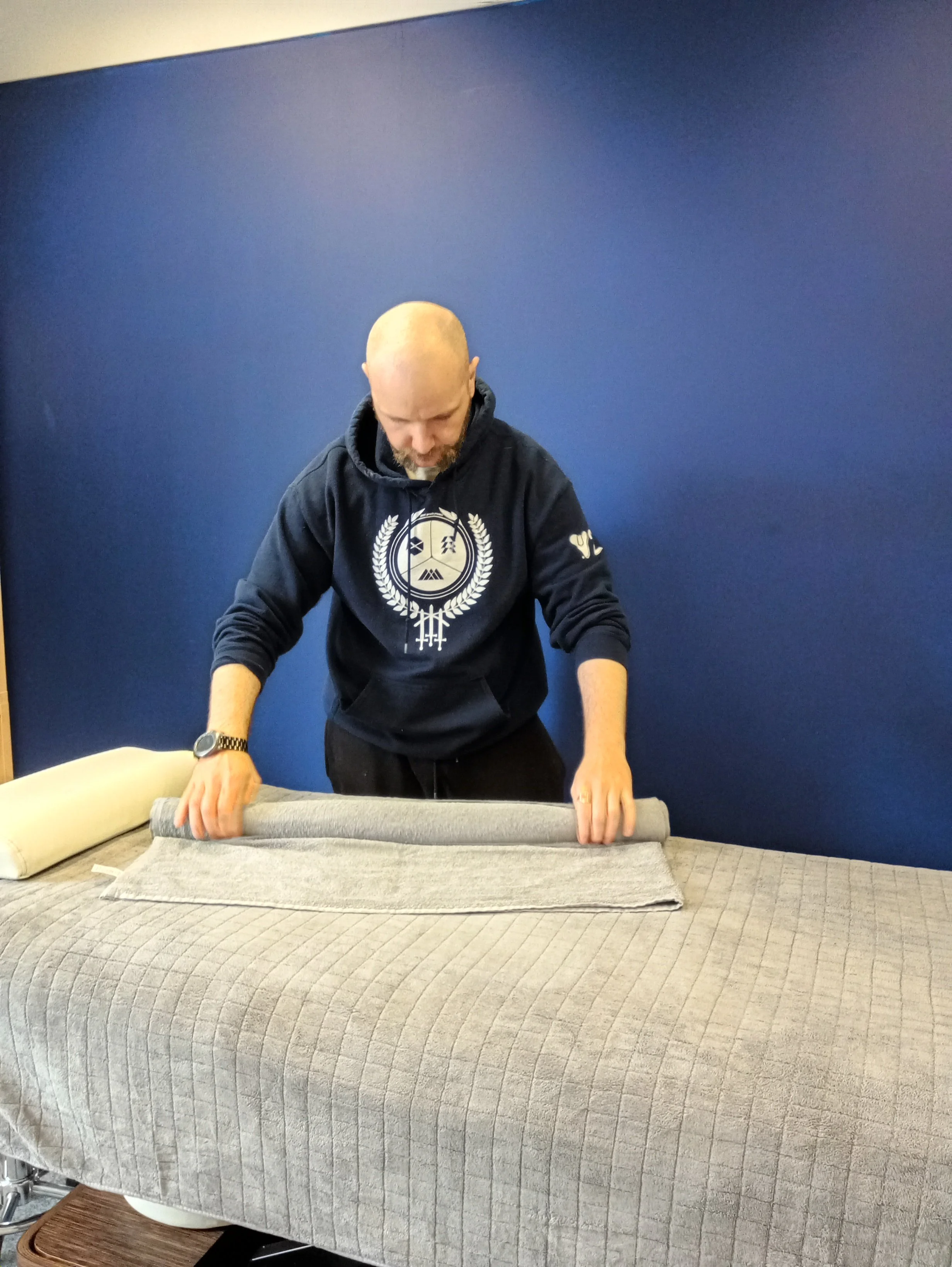
Every Sports Therapy appointment at RC Muscle & Movement is with Ross Canning, Sports Therapist.
Ross starts with what has been bothering you, when you tend to notice it and what your normal day involves.
Depending on what you need, he may look at relevant movement and function, provide hands-on treatment, offer practical movement or exercise guidance, or combine these approaches.
The aim is straightforward: understand what is getting in the way and give you a sensible route forward.
If something needs medical investigation or support outside RCMM, Ross will explain that too.
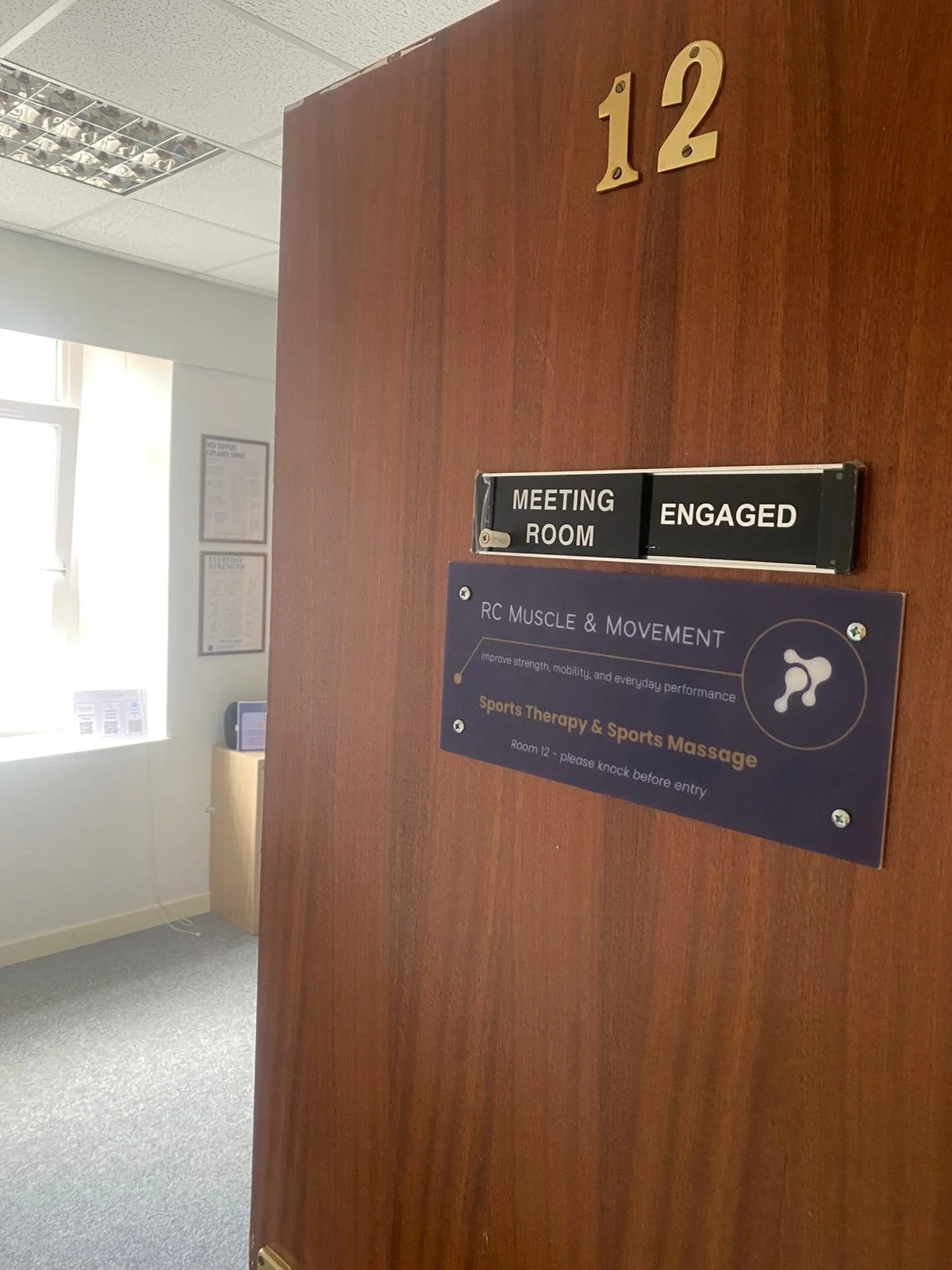
RC Muscle & Movement is in Room 12, Oakfield House, Main Street, East Kilbride, G74 4JU.
Your day is physical too
Everyday movement is still movement.
You bend to pick things up. Reach into cupboards. Crouch to work near the floor. Carry shopping. Climb stairs. Twist, push, pull, drive, walk and spend time in all sorts of positions.
What that looks like varies from person to person.
A desk worker has different demands from a delivery driver. Someone working a physical job has a different day from somebody caring for young children. A weekend spent gardening can ask something quite different again.
That context helps Ross understand the problem in relation to your actual life, rather than looking at one sore area on its own.
Which appointment fits?
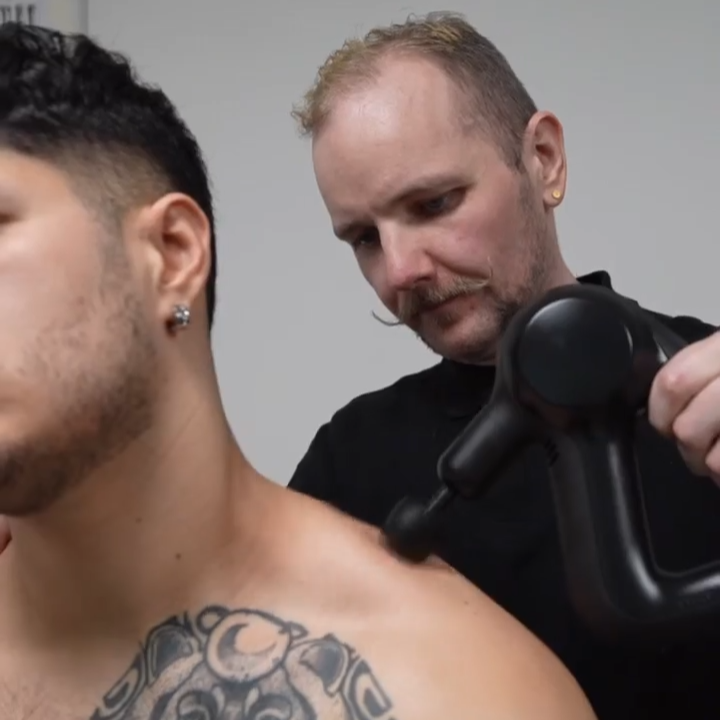
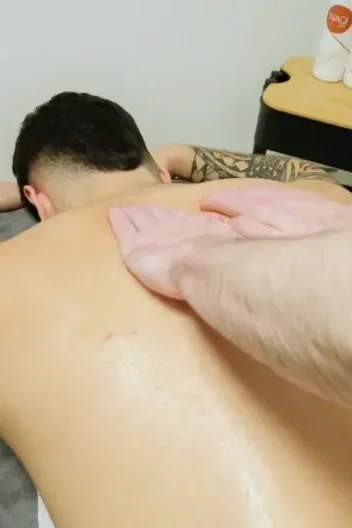
Sports Massage
targeted activity-led treatmentFor targeted hands-on treatment when a particular area is bothering you or affecting how you move.
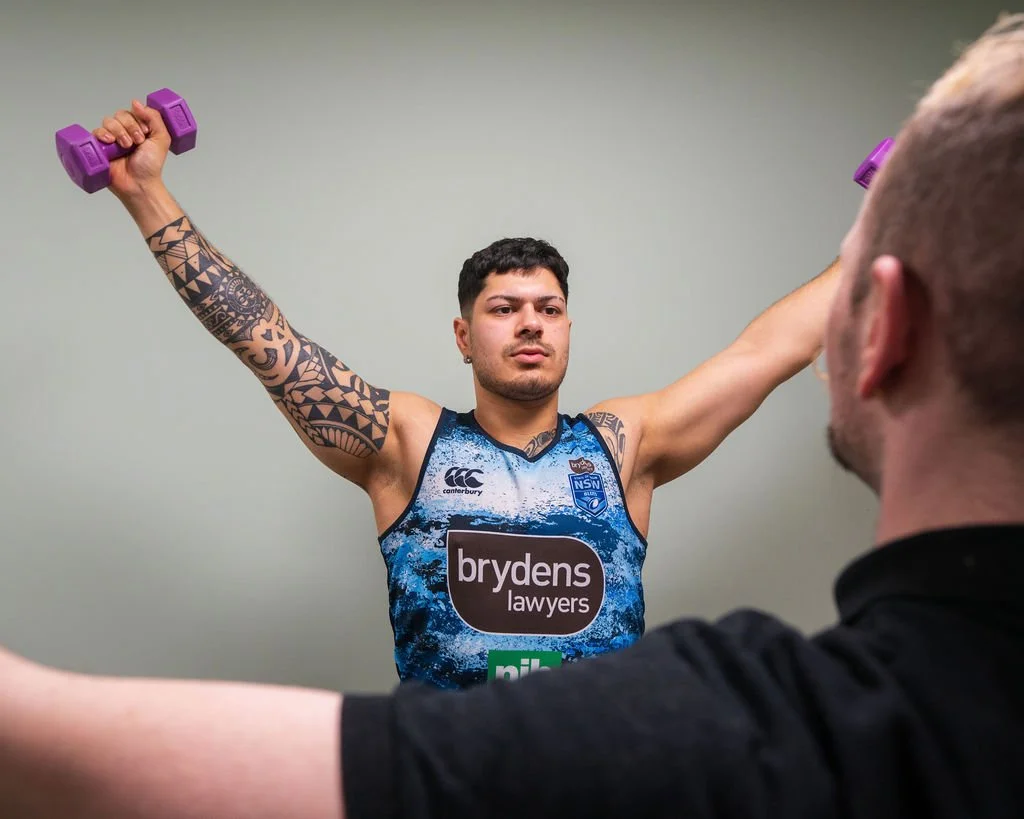
Movement & Function Assessment
when it keeps returning or feels unclearFor something recurring, unclear, affecting several areas or making everyday movement and normal tasks harder to manage.
Deep Tissue Massage
firmer maintenance & comfortFor firmer maintenance massage when the main aim is muscular comfort, relaxation or regular hands-on care.
Not sure which one fits?
Support that fits around real life
Not every visit needs to start with an injury.
Sometimes you have simply had a physically demanding week. Work has been busy. You have spent hours decorating. The garden has needed more from you than it has all winter. Or you just feel like you could do with a good massage.
That belongs here too.
For something that repeatedly affects what you can do, a Movement & Function Assessment may make more sense. If the main aim is targeted treatment or regular muscular comfort, massage may be the better fit.
The reason you are coming in helps decide the route.
Useful reading
This page explains how RCMM can help. Our articles go deeper into some of the reasons everyday movement can feel different from one week to the next.
Is sport or training the main context?
If the problem mainly shows up during gym sessions, running, rugby, competition or another sport, our Sports Injury & Recovery Support page is the better place to start.
Where is the problem showing up?
If you already know the main area that is bothering you, you can go straight to the relevant support page.
Back Pain Support →
Neck & Shoulder Support →
Hip Support →
Knee Support →
Hamstring Tightness →
Foot & Ankle Support →
Sciatica-Type Symptoms →
Shoulder Clicking →
When another route is better
RCMM supports musculoskeletal problems within Sports Therapy scope and does not provide medical diagnosis or emergency care.
If you have had a significant injury, symptoms are severe or rapidly worsening, you cannot use or bear weight through an area, or something otherwise feels medically concerning, an appropriate NHS route should come first.
Keep doing what matters to you
You do not need a sporting goal for movement to matter.
If something is making work, home life, hobbies or normal movement harder than it needs to be, start with what is bothering you and what you want to keep doing.
RC Muscle & Movement
MSK therapy. Sports massage. Movement support.
East Kilbride