
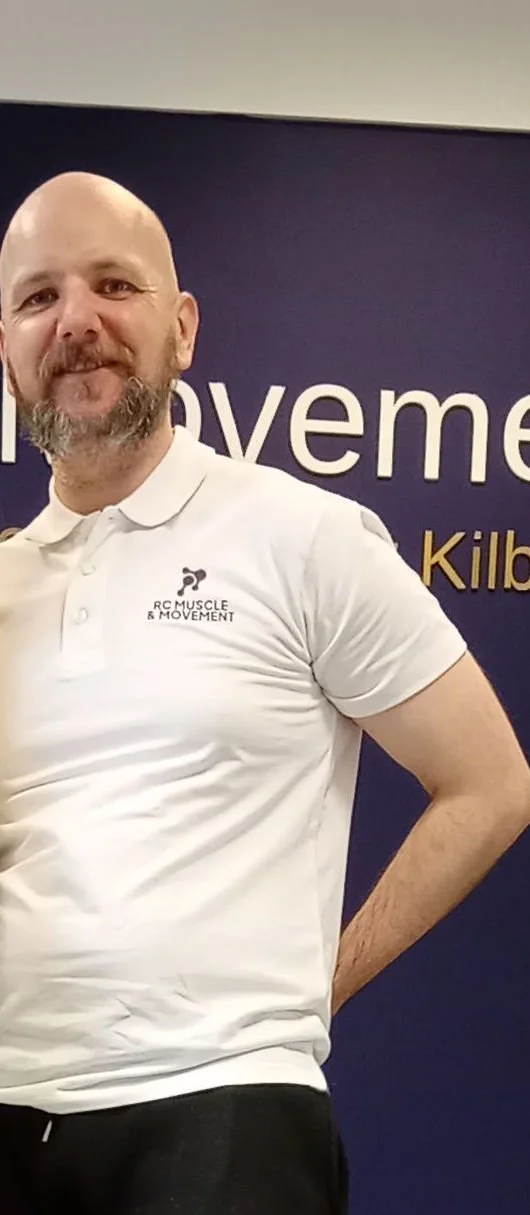
Ross Canning, Sports Therapist in East Kilbride
I’m Ross, the sports therapist behind the hands-on side of RC Muscle & Movement.
Most people who come to see me aren’t looking for a complicated explanation or a lecture full of clinical language. They want someone to listen, take their concerns seriously and help them make sense of why their body feels sore, tight or restricted.
That is exactly how I approach it.
I’ll ask about what has been happening, look at how you are moving and talk you through what I am finding in straightforward language. From there, we can decide what is likely to be useful—whether that involves hands-on treatment, movement advice or a few realistic things to work on between appointments.
You won’t be rushed through a routine or expected to understand a load of technical terminology. You can ask questions, give feedback and tell me if something doesn’t feel right.
I’ve always been fascinated by anatomy, biomechanics and how the musculoskeletal system works as a whole. I’m naturally curious, so I don’t just look at the sore spot; I also consider what else may be influencing how someone feels or moves. That curiosity, and a genuine determination to help, keeps me learning and shapes how I approach every person who comes through the door.
Hands-on MSK therapy, sports massage and movement support at RC Muscle & Movement
Why I work the way I do
Before running RC Muscle & Movement, I spent years working in local council gyms, hotel leisure clubs and community fitness settings.
One of the most important parts of that experience was working as a community fitness instructor for a local charity. I supported people with disabilities, Additional Support Needs and a wide range of physical and communication needs to take part in movement and activity in ways that worked for them.
That taught me very quickly that there is no single “right” way to help somebody move.
Rigid plans might look good on paper, but they don’t work for every person, every body or every life. Listening, adapting and meeting people where they are will always matter more.
As a dad in a neurodivergent family, that is personal to me too. I understand that new environments, unfamiliar sensations and unclear expectations can make an appointment more difficult than it needs to be.
If you need more explanation, less conversation, time to settle in, changes to positioning or a different way of approaching the session, please tell me. I’ll adapt wherever I reasonably can.
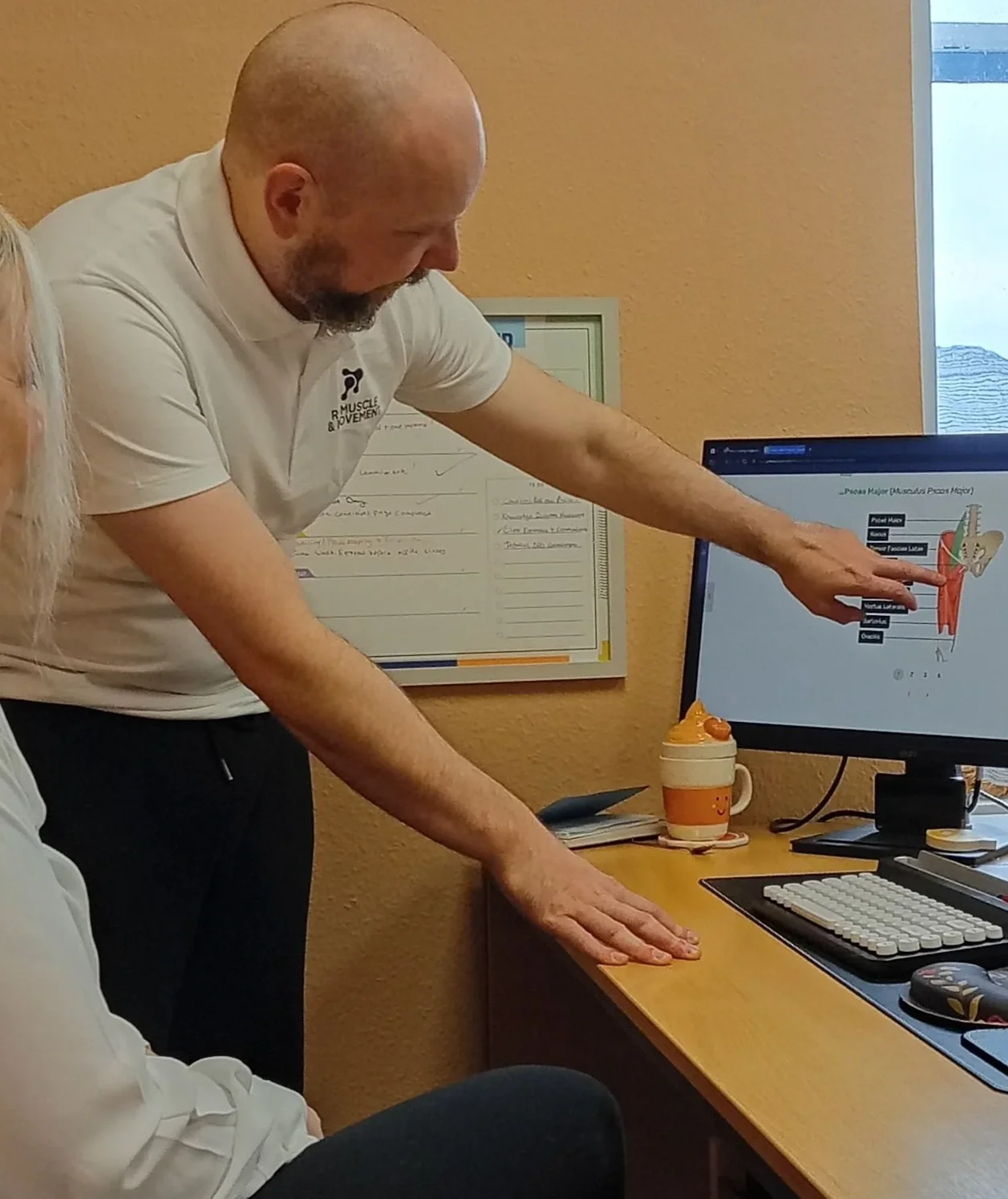
What an appointment with me feels like
Professional doesn’t have to mean cold.
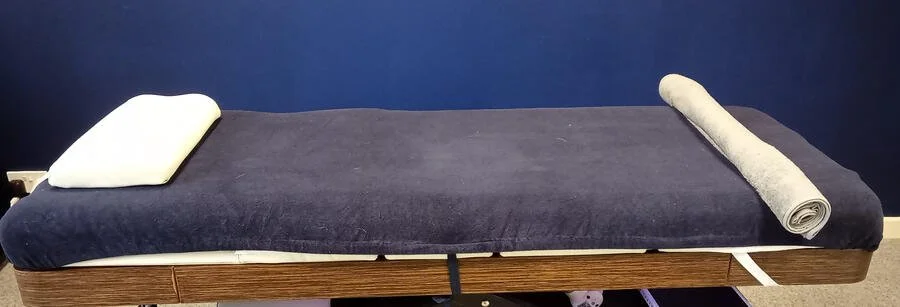
I want the clinic to be somewhere you can relax, have a blether and feel comfortable being yourself. Some people want to talk through every part of their treatment. Others would rather switch off for an hour. Both are completely fine.
You are always encouraged to speak up about pressure, comfort and how something feels. The appointment is a conversation between us, not something being done to you without explanation.
My aim is for you to leave feeling listened to, clearer about what may be going on and more confident about what to do next.
My qualifications and professional background
HND Sports Therapy — City of Glasgow College
HNC Soft Tissue Therapy — City of Glasgow College
Level 4 and Level 5 Sports and Fitness Coaching - South Lanarkshire College
Qualified Personal Trainer and Gym Instructor - Active IQ
Experience in local authority fitness facilities and commercial leisure settings
Community experience supporting people with disabilities, ASN and varied support needs
Experience adapting movement and physical activity for different abilities
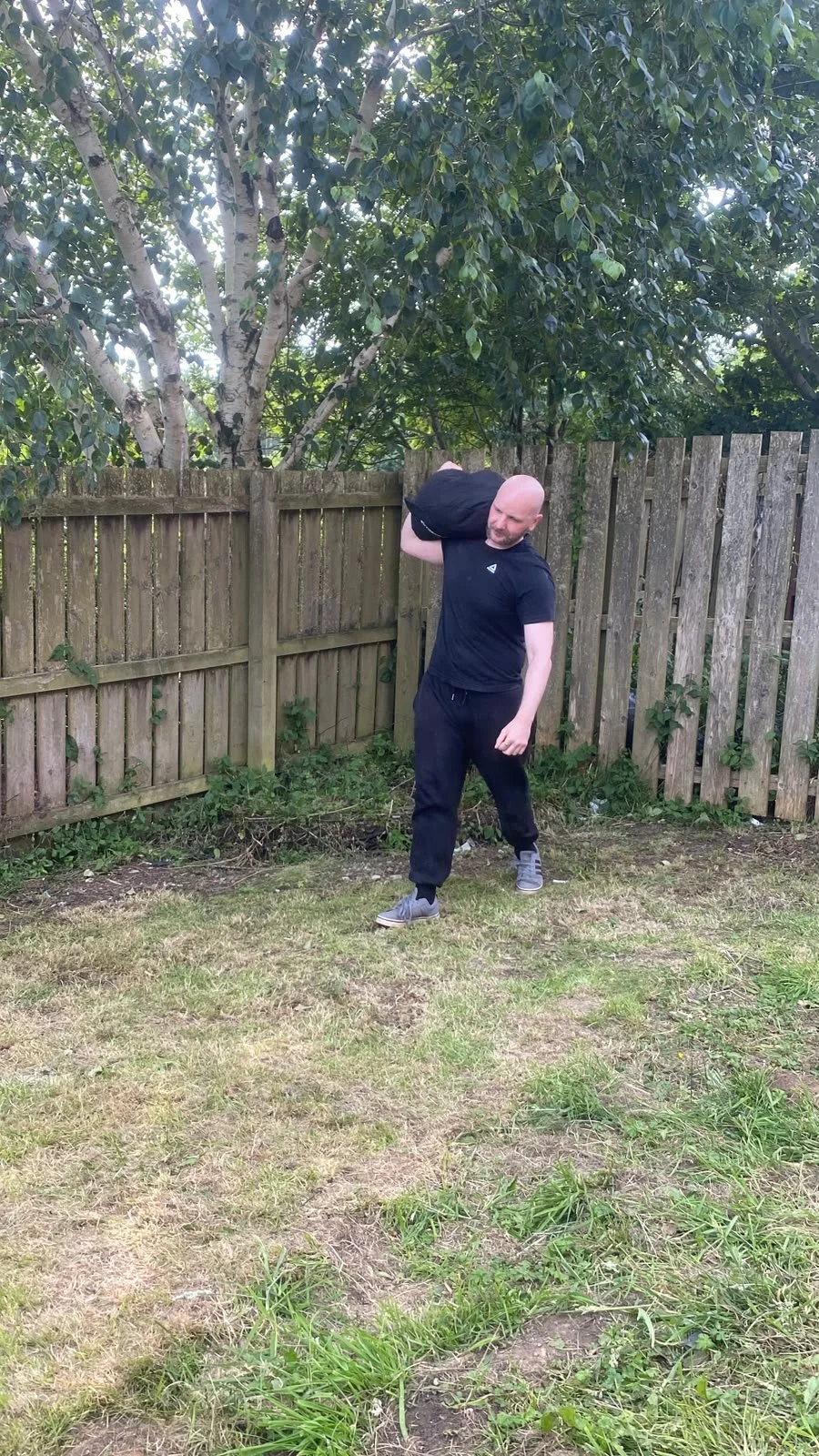
I’ve also worked with lifters around powerlifting competitions, providing warm-up massage before lifting and being on hand when injuries or other problems have come up during the day. Working in that environment gives me another perspective on how training, competition and the demands of a sport can affect what someone needs from an appointment.
Support for what your body needs to do
People come to see me for different reasons. Sometimes the main problem is affecting work, home life or everyday movement. For others, it is getting in the way of training, sport or recovery.
-
Sports Injury & Recovery Support
For problems affecting sport, gym training, competition, recovery or getting back to activity.
-
Everyday Movement Support
For problems affecting work, driving, lifting, gardening, home life or ordinary movement.
Outside the clinic
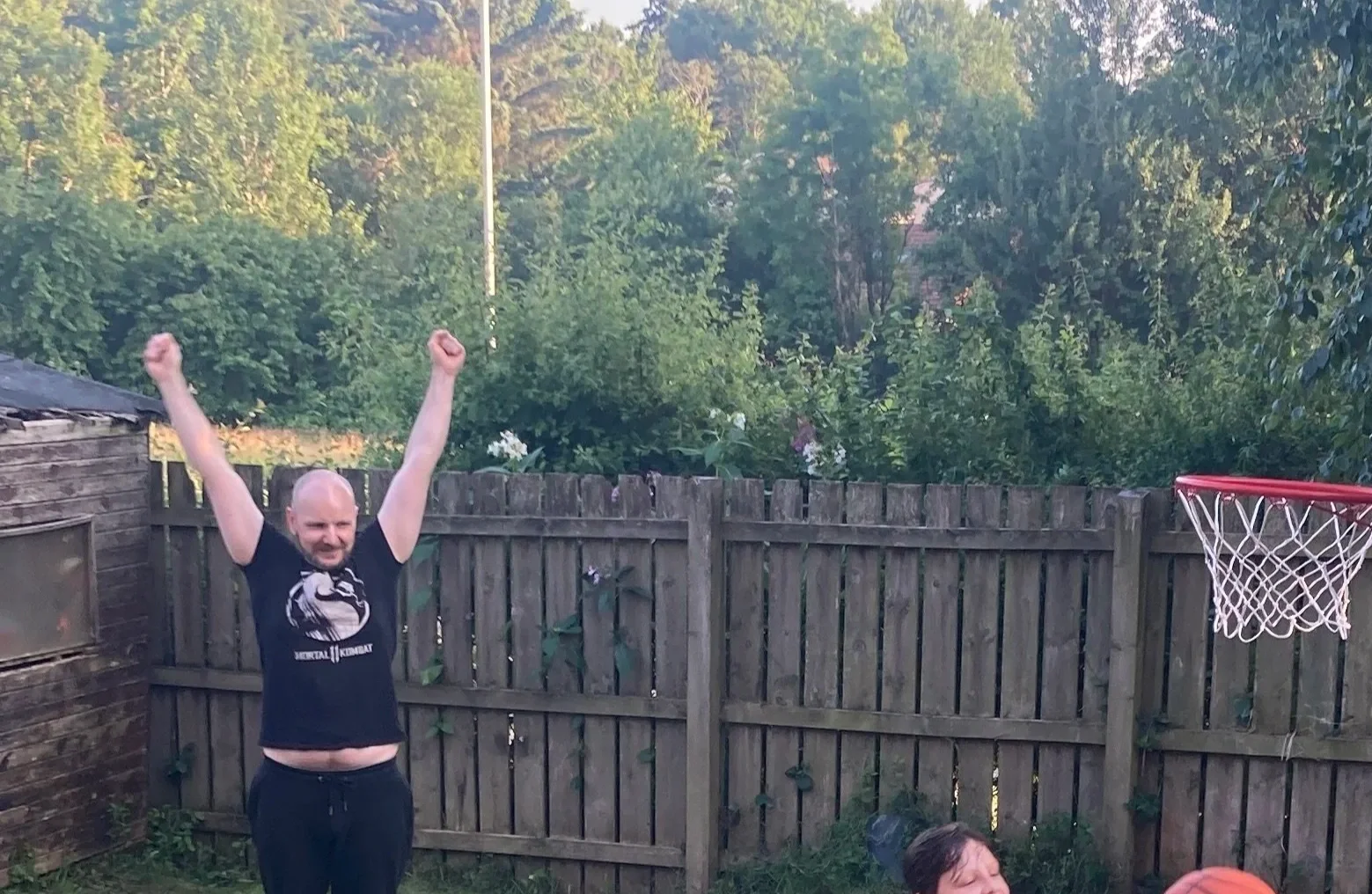
When I’m not working or training, I’m a fairly massive nerd.
I collect retro video games, paint Warhammer miniatures and spend as much time as I can with Paula and the kids. So depending on the day, your appointment might include a conversation about movement, gaming, miniatures or whatever else happens to come up.
That relaxed, human side of the clinic is important to me. I want coming to RC Muscle & Movement to feel like something you can look forward to as part of looking after yourself—not somewhere you only visit when everything has gone wrong.
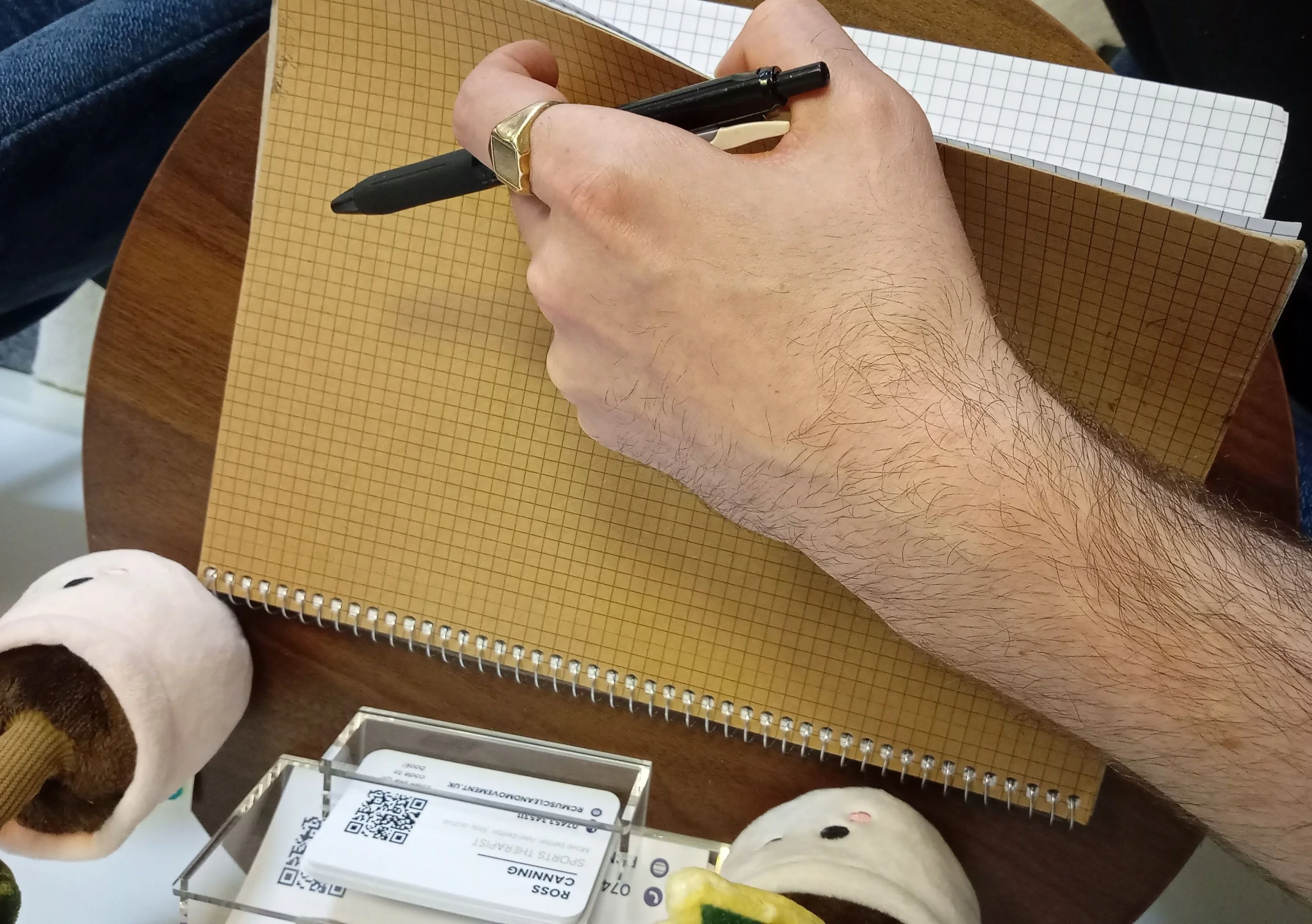
Ready to book with Ross?
If you are unsure which appointment to choose, get in touch and we’ll point you in the right direction.