
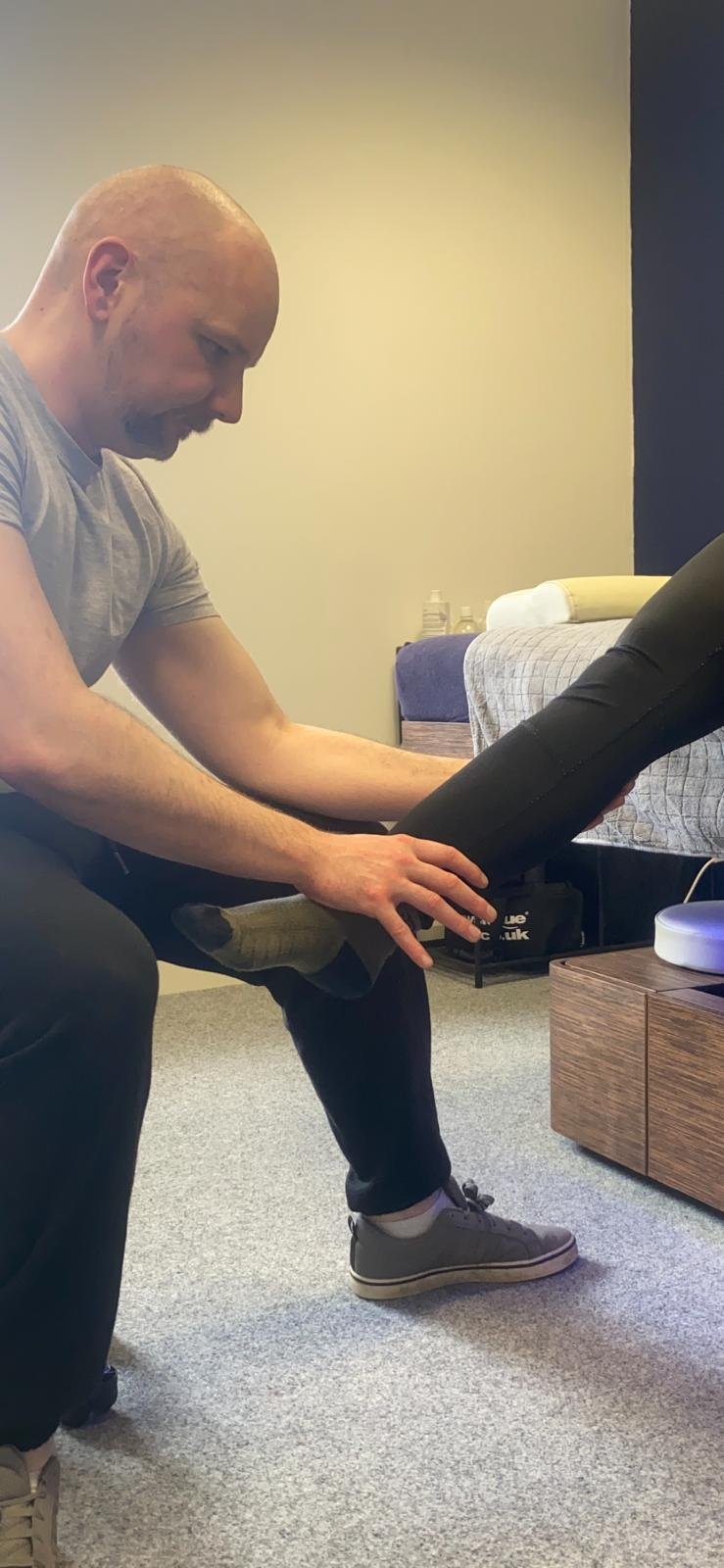
Musculoskeletal (MSK) Support in East Kilbride
Support for muscle, joint and soft-tissue concerns that are getting in the way of everyday life, work, training or sport — whether one area has become uncomfortable, stiff or the same issue keeps returning.
Sports Therapist Ross Canning starts with what you are noticing, what you need your body to do and the demands around it. From there, he can help make the next step clearer
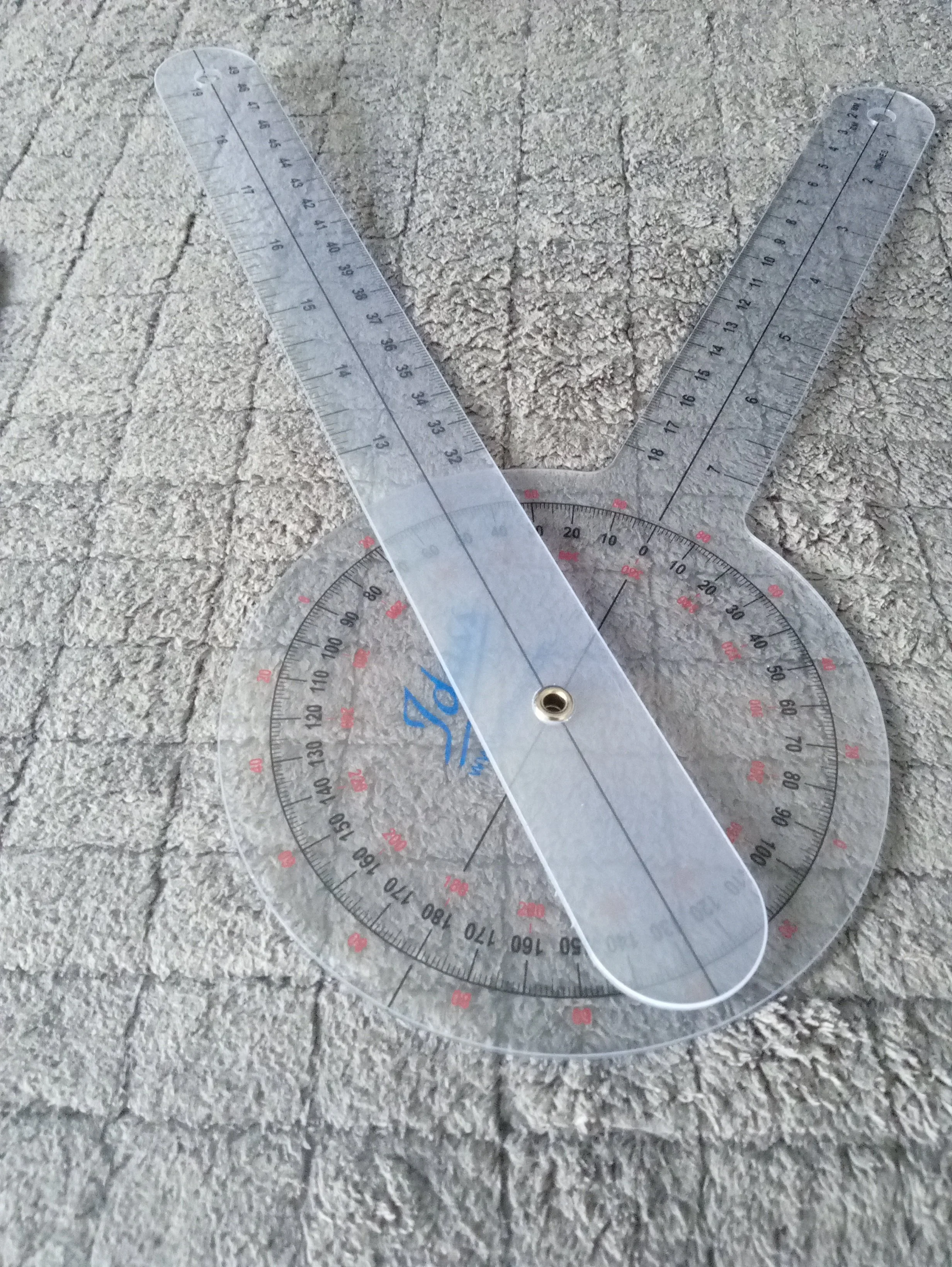
Is this the kind of support you are looking for?
People often find this page because a muscle or joint feels sore, stiff, tight or less comfortable than usual. Sometimes there is one obvious area. Sometimes it keeps settling and returning. Other times, it is difficult to explain beyond knowing that something does not feel right.
RCMM may be a suitable place to start if:
a muscle, joint or soft-tissue area has become uncomfortable or overworked;
tightness or stiffness keeps returning;
a change in work, activity or training seems to have increased the physical demand on an area;
you want help choosing between targeted hands-on treatment and a more detailed assessment; or
you are looking for a calm, practical explanation without unnecessary clinical language.
You do not need to play sport or identify as an athlete.
If you would rather start with the body area or concern itself, see the conditions and common concerns RCMM supports.
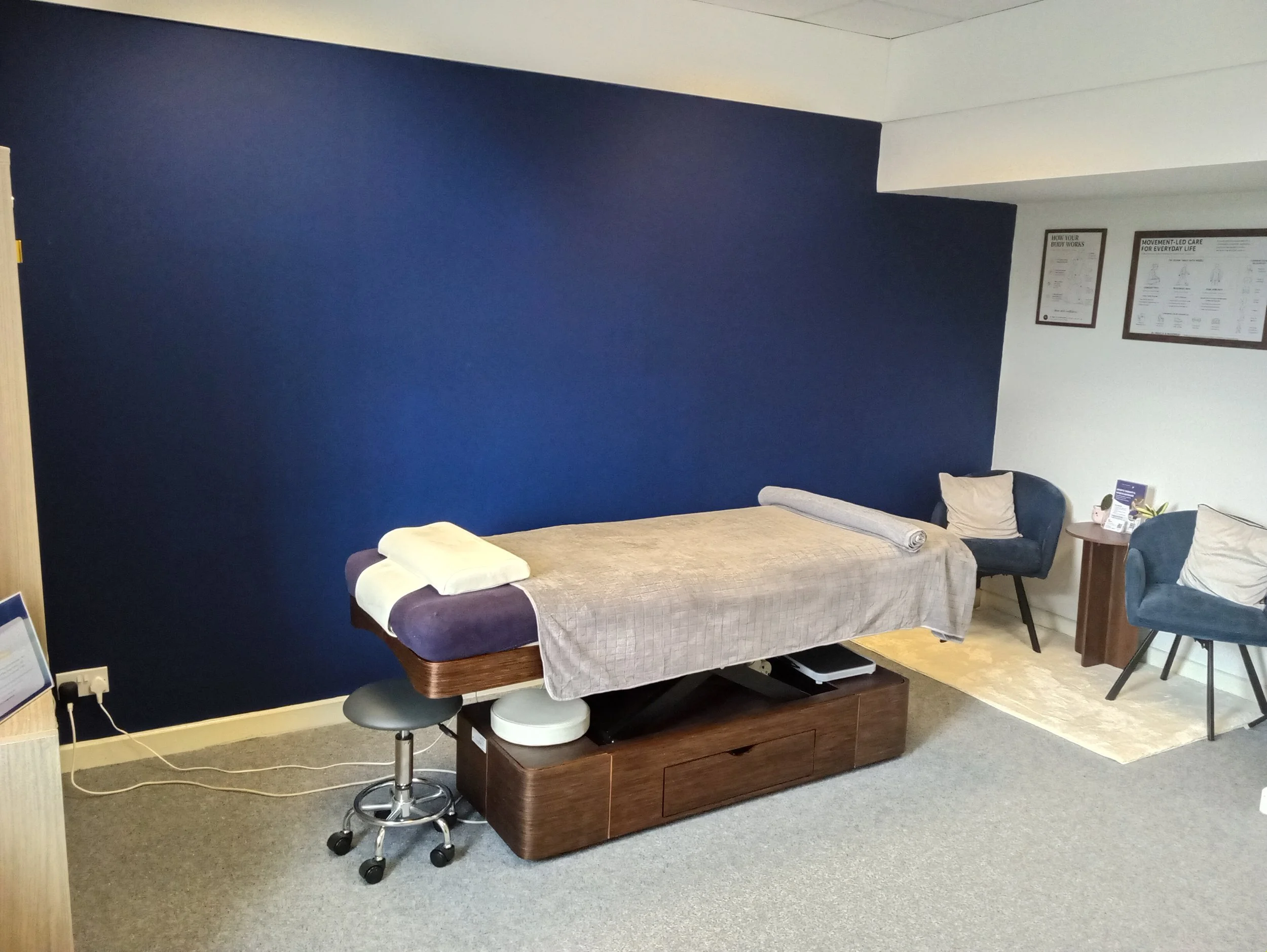
What does musculoskeletal mean?
Musculoskeletal is often shortened to MSK. It is the umbrella term for the muscles, joints and soft tissues that help support the body and deal with physical demand.
At RCMM, MSK support starts with three straightforward questions:
Which area is bothering you?
What demands has that area been dealing with?
How is it responding now?
Load is the clinical word for physical demand. It can come from activity, repeated positions, work, training or a change in routine. Load is not automatically harmful. The same demand can feel manageable at one time and more noticeable at another, depending on factors such as recovery, stress, sleep, health, previous experience and how quickly the demand changed.
This wider view does not assume that every ache means damage. It helps Ross build a more useful picture before deciding whether hands-on treatment, movement assessment, practical guidance or another route may be more appropriate.
For a fuller plain-English explanation, read What Is Musculoskeletal Health — and How Does Everyday Life Affect It?
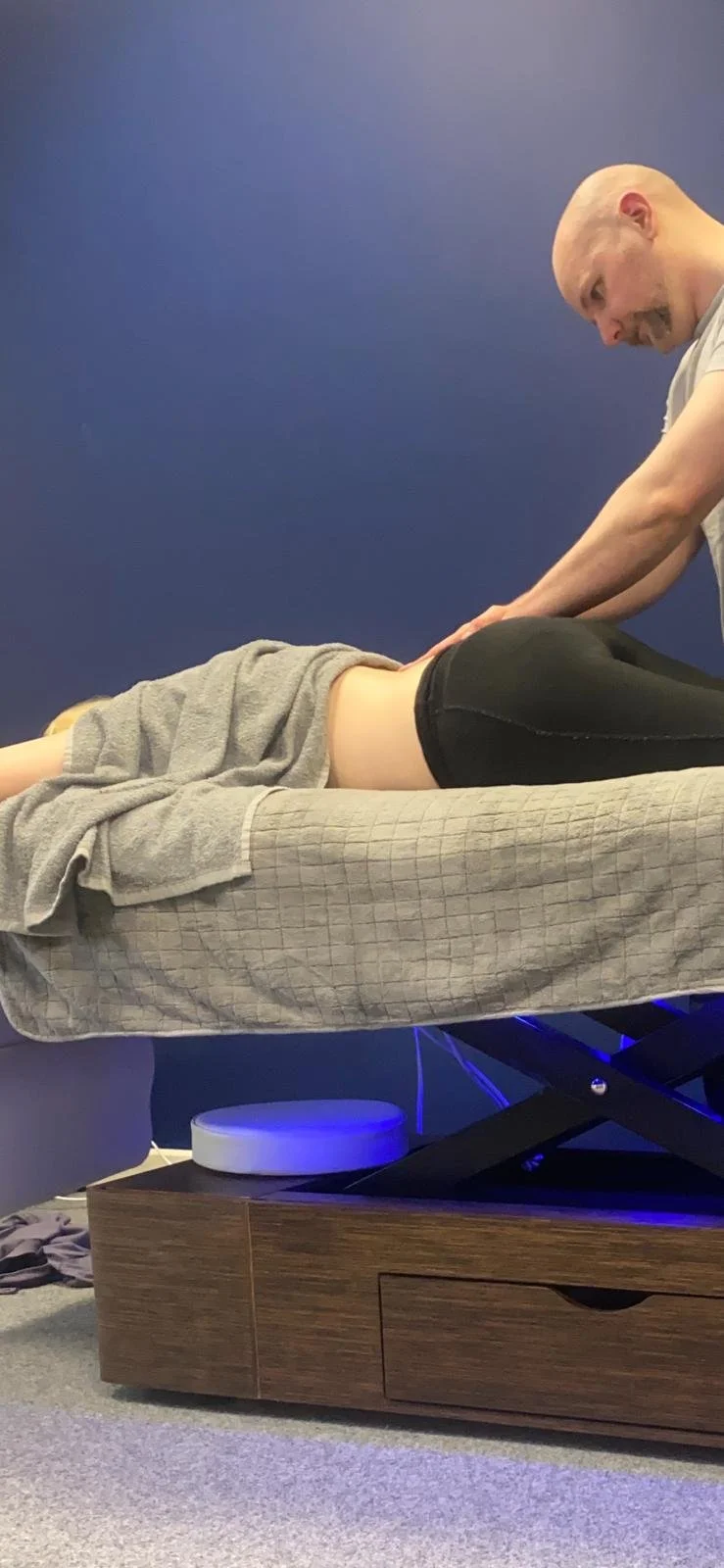
How RCMM approaches an MSK concern
Ross does not begin with a fixed treatment routine or the assumption that the sore spot tells the whole story.
He starts by listening to what you have noticed, what has changed and what you want help with. He may then consider the area itself, nearby muscles and joints, the demands involved and whether anything else appears to be influencing how the area is coping.
This is where biomechanics can be useful. The word simply describes how the body deals with force and shares physical work between muscles and joints. It does not mean looking for a perfect way to move or telling you that your body is out of alignment.
Depending on the concern and the appointment you choose, RCMM support may include:
focused hands-on treatment;
movement or function assessment;
a straightforward explanation of what may be contributing;
realistic guidance to try between appointments; or
clear signposting when another type of assessment or care would be more appropriate.
The aim is to reduce guesswork and help you make a more informed choice about what to do next.
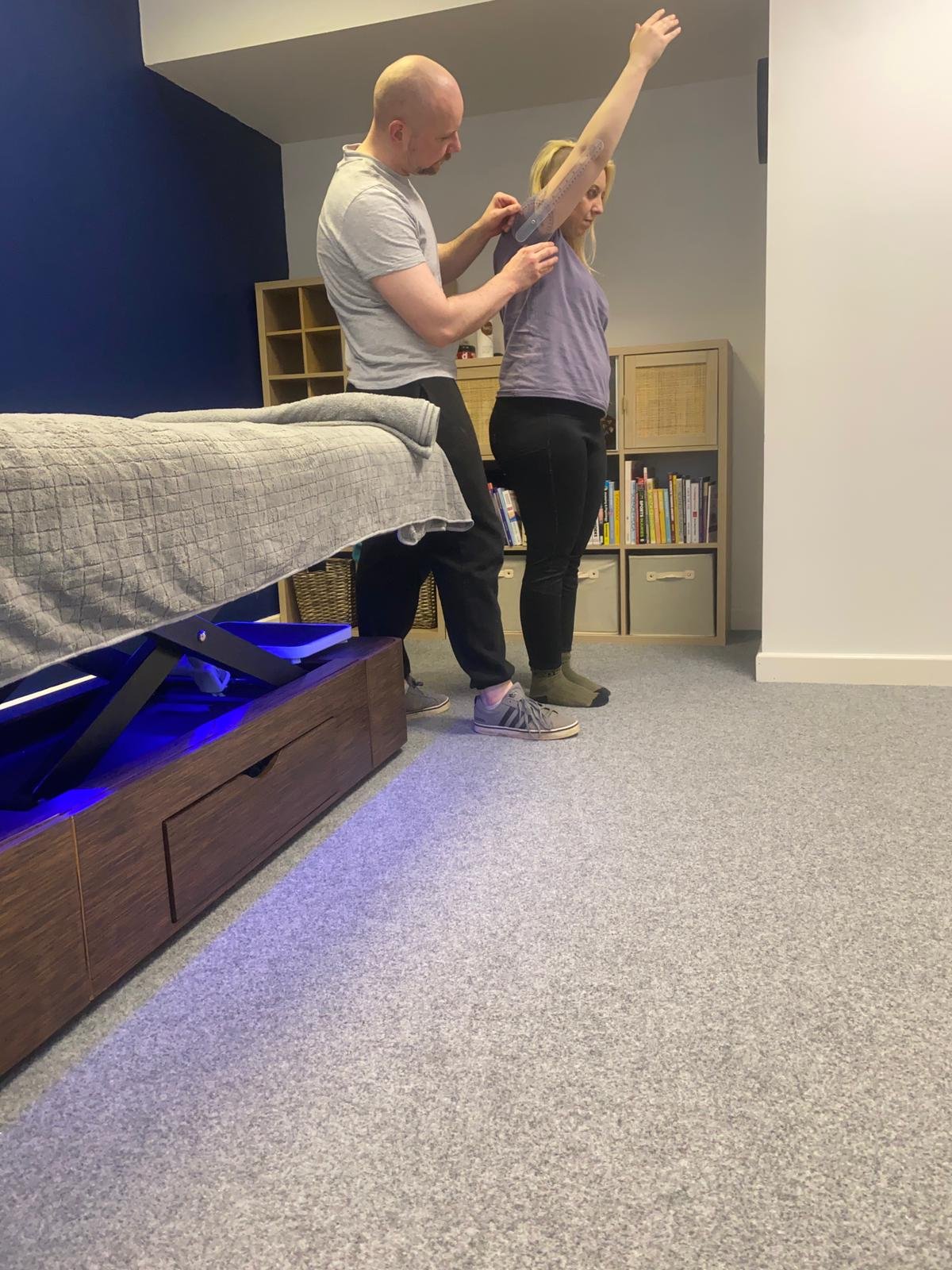
Physiotherapy is often the first service people think of when a muscle or joint problem starts getting in the way. Sports Therapists also work with musculoskeletal concerns.
At RCMM, Ross works with people whose needs range from everyday movement and work to gym training and sport. His approach can include movement and function assessment, hands-on treatment where appropriate, and a practical plan for what comes next.
Meet Ross, Sports Therapist →
Do You Have to Play Sport to See a Sports Therapist? →
Sports Therapy and musculoskeletal support
Which appointment should you choose?
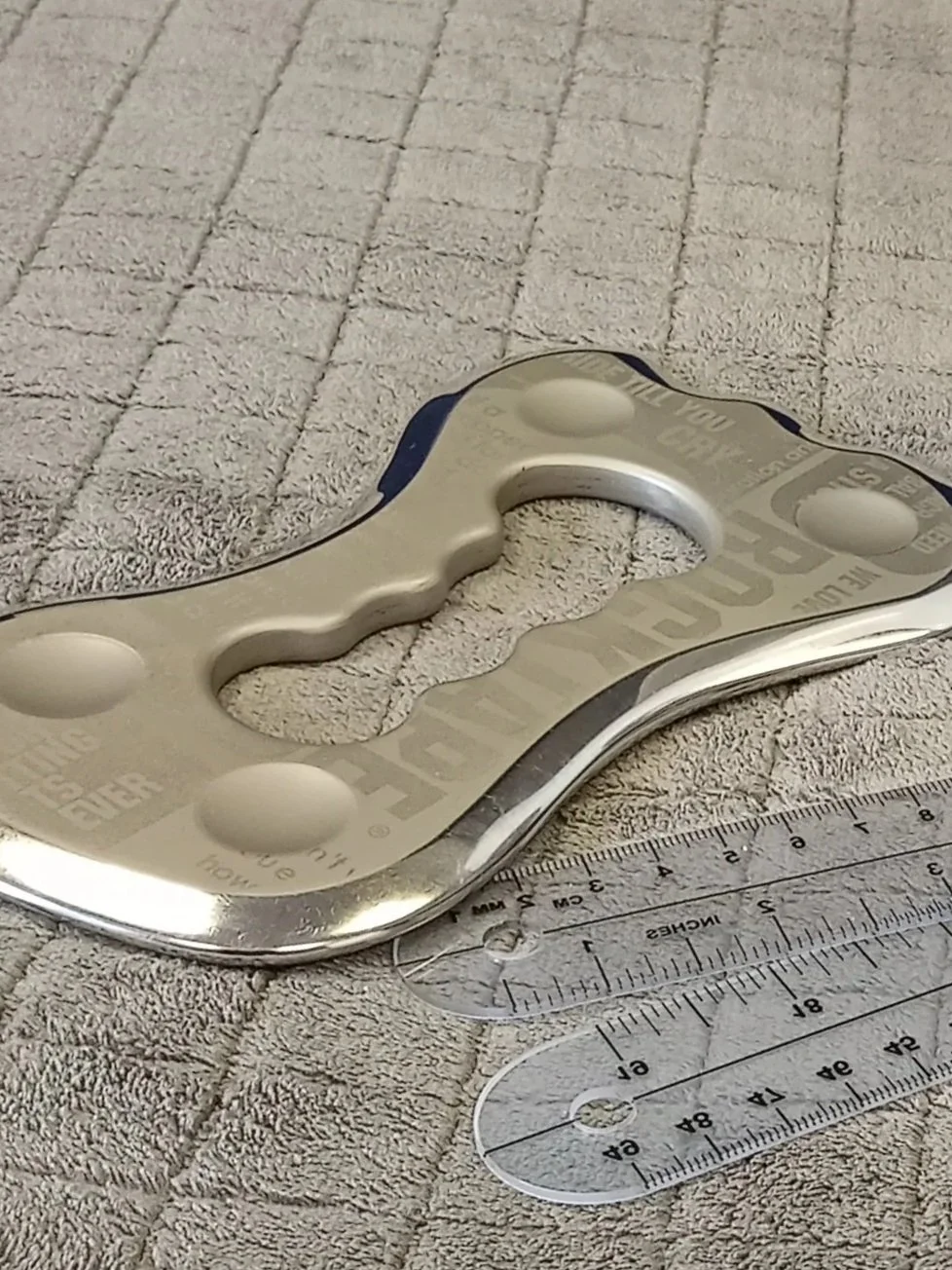
RCMM has three appointment routes, depending on whether you mainly want hands-on treatment, broader massage support or a more detailed movement and function assessment.
Start with the area or concern
If you are still deciding whether RCMM is relevant, the condition pages explain the types of concerns people commonly ask Ross about and where support may fit.
What is it getting in the way of?
The same type of MSK concern can matter for different reasons. These two guides help you continue in the direction that best matches your situation.
Everyday life, work or ordinary routines
If the main issue is showing up during work, driving, household jobs, gardening or normal day-to-day activity, continue with Everyday Movement Support.
Training, sport or getting back to activity
If it is mainly affecting gym training, running, recreational sport, competition or returning to an activity, continue with Sports Injury & Recovery Support.
When another route makes more sense
RCMM provides musculoskeletal support within Ross's Sports Therapy and massage scope. Some concerns need medical assessment, investigation or support from another healthcare professional instead.
If that becomes clear from what you tell Ross or during the appointment, he will explain why and point you towards a more appropriate next step.
Useful reading before you book
These articles answer common questions in more depth without turning this page into a textbook.

Frequently Asked Questions
-
No. They are separate professions, although there can be overlap in the kinds of musculoskeletal concerns they work with. Ross works within his Sports Therapy scope and will recommend another route if something needs a different type of assessment or care.
-
No. The word “sports” describes Ross's professional training. At RCMM, Sports Therapy reasoning is used with everyday adults as well as people who train or take part in sport.
-
No. You can start with what you are noticing and what you want help with. If the concern is recurring, unclear or seems to involve several areas, a Movement & Function Assessment is usually the most useful first appointment. If the concern appears outside RCMM's scope, Ross will explain that.
-
Use the RCMM appointment comparison if you want to compare the three paths. When uncertainty or recurrence is the main issue, the Movement & Function Assessment is usually the clearest starting point.
Ready to choose your next step?
You do not need a perfect explanation or a diagnosis before getting in touch. Start with what is bothering you and what you want from the appointment.
Book with Ross if RCMM sounds like the right fit, or compare the three appointment paths before you decide.
RC Muscle & Movement, Room 12, Oakfield House, Main Street, East Kilbride, G74 4JU.
This page provides general information about musculoskeletal support at RC Muscle & Movement. It does not provide a diagnosis or replace medical care. Suitability and response vary from person to person.
Reviewed by Ross Canning, HND Sports Therapy, RC Muscle & Movement.
Last reviewed: September 2026.