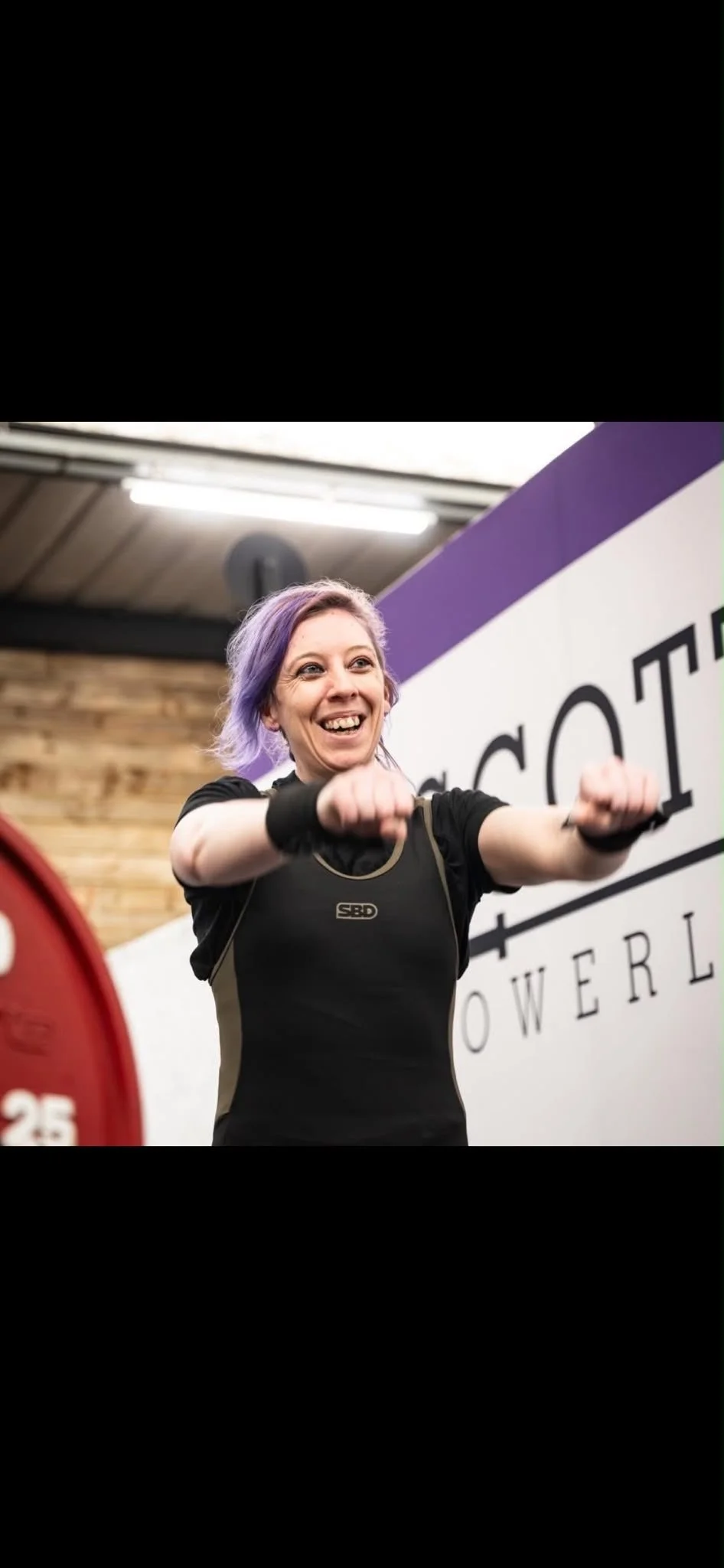
Do You Have to Play Sport to See a Sports Therapist?
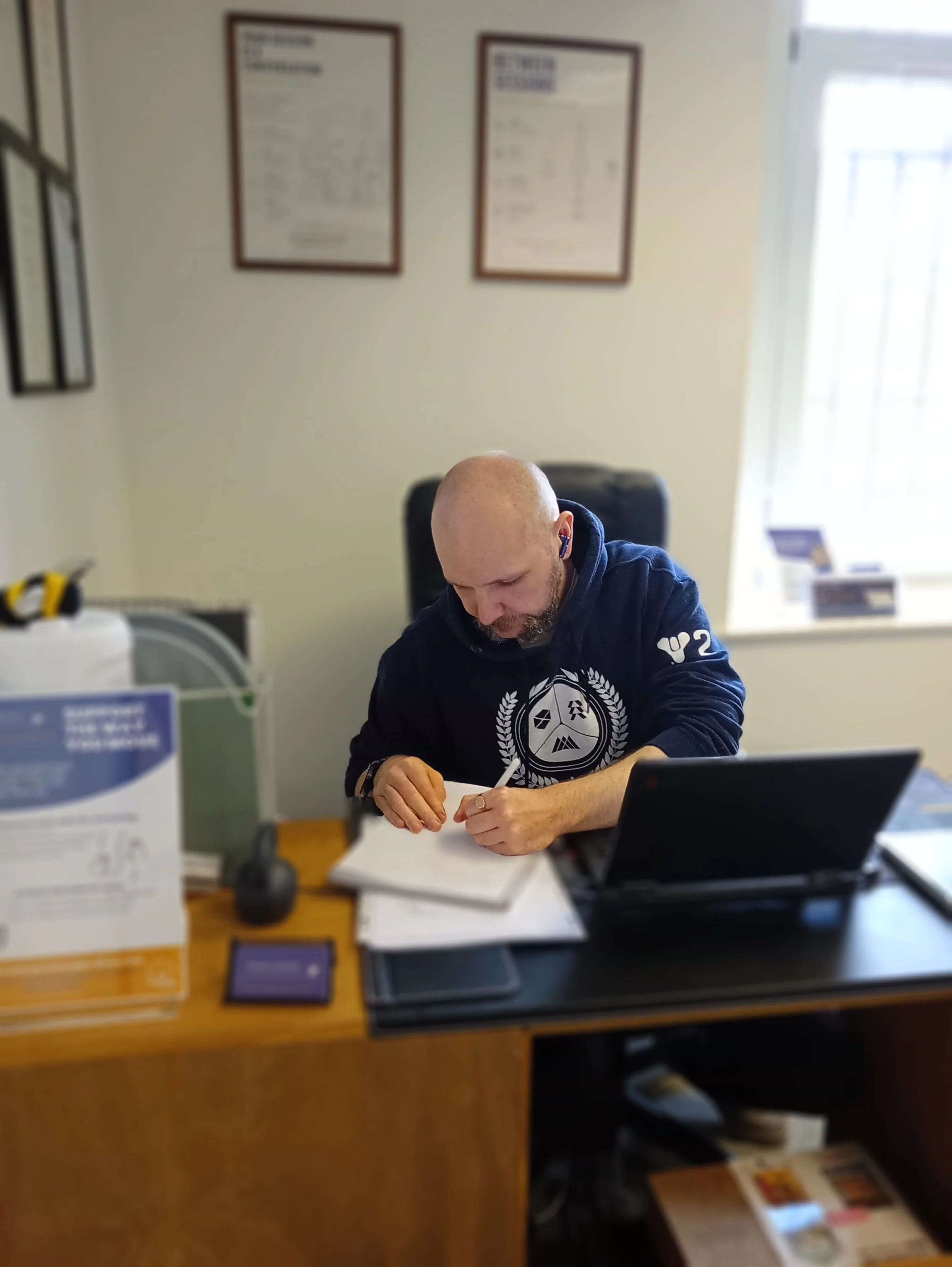
Summary
You do not have to play sport to see a Sports Therapist.
The word sports describes the professional training and principles behind Sports Therapy. It does not mean every client must be an athlete or regularly take part in organised sport.
Sports Therapy training commonly includes anatomy, physiology, movement, exercise science, assessment, hands-on techniques, rehabilitation principles and professional referral. The Society of Sports Therapists describes the profession as supporting functional, occupational and sports-specific fitness, regardless of age and ability. (The Society of Sports Therapists)
At RC Muscle & Movement, Sports Therapy reasoning is used to support everyday adults dealing with tightness, stiffness, overworked areas and movement that feels harder than it should.
That may relate to:
work
sitting
driving
walking
gardening
caring responsibilities
physical hobbies
returning to activity
gym or sport
repeated everyday tasks
You do not need to see yourself as sporty.
You only need a reason to want clearer, more comfortable or more confident movement.
Educational Note
This article is for general education only.
It is not medical advice and it is not a diagnosis.
RC Muscle & Movement does not diagnose medical conditions. We provide movement-focused assessment, hands-on soft-tissue work and practical guidance within our Sports Therapy, massage and strength-coaching scope.
Sports Therapists work within their individual training, competence and professional scope. Where another type of assessment or support would be more appropriate, a practitioner should recognise those limits and refer or guide the person onwards. The Society of Sports Therapists includes scope awareness, safe practice and appropriate referral within its professional standards. (The Society of Sports Therapists)
If symptoms are severe, sudden, worsening, linked to significant trauma, or causing concern about your general health, seek appropriate medical advice.
Why the Name Causes Confusion
The confusion is understandable.
The title is:
Sports Therapist
So many people naturally assume the service is mainly for:
footballers
runners
gym-goers
competitive athletes
people recovering from sports injuries
Sport is certainly part of the profession.
Sports Therapists may work with athletes, teams, training environments and sports-related injuries.
But that is not the whole picture.
The Society of Sports Therapists defines Sports Therapy in relation to:
functional fitness
occupational fitness
sports-specific fitness
work
training
assessment
treatment
rehabilitation
appropriate referral
Its definition specifically says that Sports Therapy can apply regardless of age and ability. (The Society of Sports Therapists)
In practical terms, the title describes the background of the profession.
It does not create an entry requirement for the client.
You do not need:
a team
a training plan
a race coming up
a gym membership
an injury caused by sport
an athletic identity
A person can be physically affected by daily life without thinking of themselves as sporty.
That is where the name and the real-world role can feel slightly disconnected.
If you would like to know more about the practitioner behind RCMM, you can meet Ross and learn more about the clinic’s movement-focused approach.
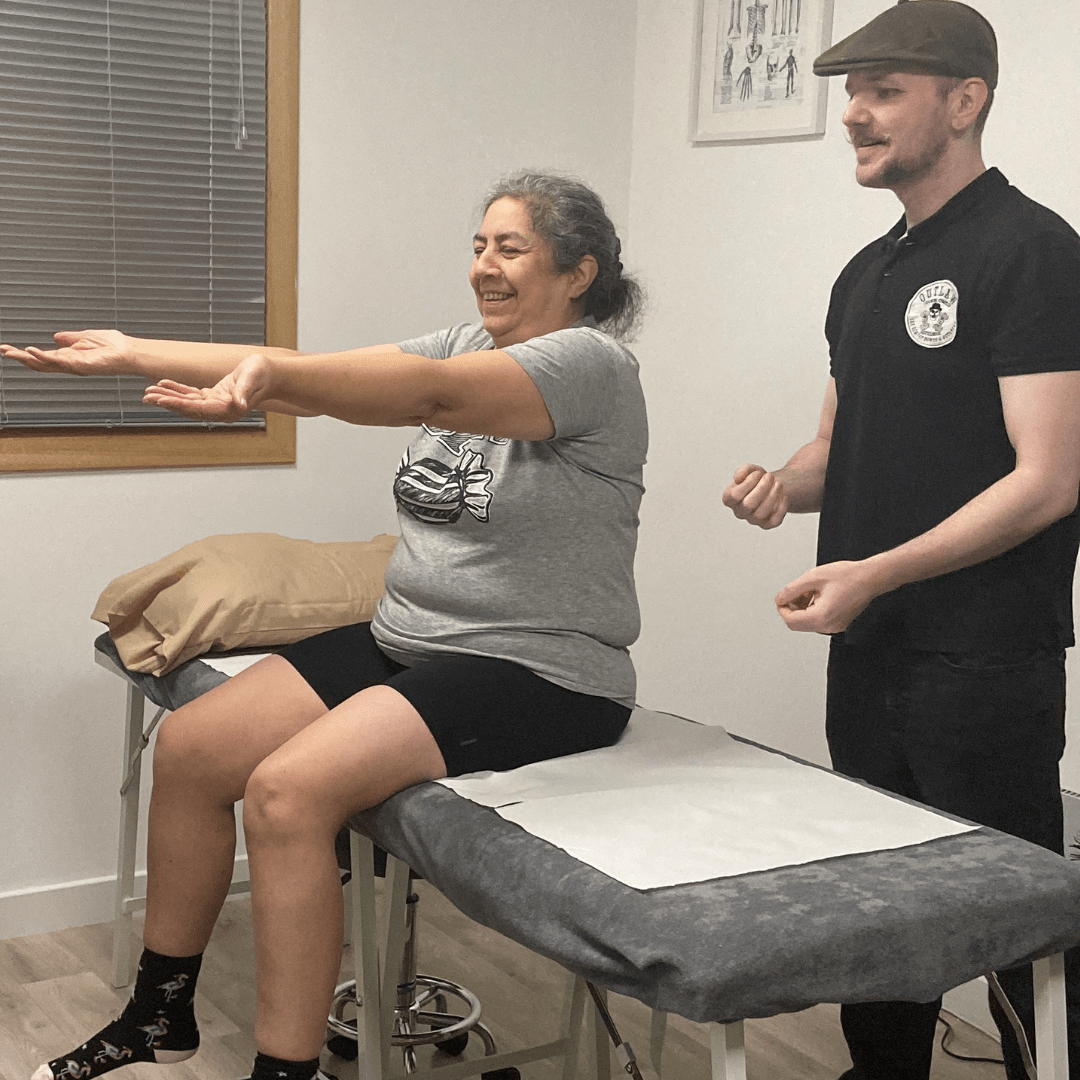
What Does a Sports Therapist Actually Do?
There is no single identical appointment used by every Sports Therapist.
The profession has a broad foundation, and individual practitioners may work in different settings or develop different areas of focus.
Sports Therapy education commonly includes:
anatomy and physiology
biomechanics or kinesiology
exercise science
assessment
movement observation
injury recognition
treatment principles
exercise therapy
hands-on techniques
rehabilitation
research and clinical reasoning
professional conduct
referral when appropriate
For example, Society of Sports Therapists-accredited university programmes describe teaching in anatomy, physiology, kinesiology, exercise therapy, assessment, treatment, biomechanics and evidence-informed clinical reasoning. Some accredited courses explicitly describe preparing practitioners to work with athletes, sports teams and the wider general population. (Edge Hill University)
That does not mean every Sports Therapist offers every part of that possible scope.
It means their professional training can provide several ways of thinking about a physical problem.
A Sports Therapist may consider:
what the person has been feeling
what they have been doing
how the body is moving
what physical demands are involved
which areas feel tight or overworked
whether strength or confidence has changed
what may help the person return to work, activity or everyday tasks
whether the situation needs a different professional
At RCMM, we use the parts of Sports Therapy that fit our movement-first clinic model.
That includes:
listening to what has been happening
looking at movement where helpful
considering everyday workload
using focused soft-tissue work
explaining what we notice
helping the person decide what to do next
The aim is not to make every appointment feel like sports rehabilitation.
The aim is to use relevant professional knowledge in a way that fits the individual.
You Do Not Need to Identify as an Athlete
Many people move regularly without calling themselves athletic.
Someone might:
walk every day
work in a physically demanding job
care for children or relatives
garden
decorate
carry shopping
travel
climb stairs
attend an occasional exercise class
return to the gym after a long break
enjoy golf, swimming or cycling without competing
spend long hours sitting or driving
All of these situations place some form of demand on the body.
The demand may be light.
It may be heavy.
It may be repeated for hours.
It may be something the person is not currently used to doing.
The body does not ask whether an activity counts as sport.
It responds to what it has been asked to do.
That is why someone who has never entered a competition can still notice:
a shoulder feeling overworked
hips feeling stiff after driving
a back feeling tired after gardening
calves feeling heavy after more walking
a neck becoming tense through desk work
movement feeling awkward after inactivity
an area repeatedly tightening during work
The issue is not whether the activity belongs in a gym.
The useful question is:
What is this person’s body regularly being asked to cope with?
Our article on why gardening can feel like a workout explores how bending, carrying, kneeling, gripping and repeated tasks can create a meaningful physical workload even when nobody thinks of it as exercise.
Everyday Life Can Be Physically Demanding
Sport makes physical demand easy to recognise.
There may be:
training sessions
distances
weights
matches
sets and repetitions
planned recovery
Everyday life is less organised.
The workload can build quietly.
A normal week might include:
sitting at a desk
carrying equipment
standing for long periods
commuting
driving
lifting at work
looking after children
household jobs
walking more than usual
poor sleep
stress
a new hobby
a busy weekend
None of those things is automatically a problem.
The body is designed to move, work and adapt.
But when the amount, repetition or intensity changes, someone may start to notice that certain areas feel:
tight
stiff
tired
heavy
restricted
less confident
more noticeable than usual
Sometimes the person knows exactly why.
They spent the weekend decorating.
They walked much farther on holiday.
They lifted more at work.
They returned to an activity after months away.
At other times, the reason is less obvious because no single task felt especially demanding.
It was the whole week.
This is one reason Sports Therapy thinking can apply beyond organised sport.
Sport and exercise science provide ways to think about:
movement
physical load
adaptation
recovery
strength
work capacity
returning gradually to activity
Those principles can still be useful when the goal is not winning a competition.
The goal may simply be:
getting through work more comfortably
walking with more confidence
returning to a hobby
carrying shopping more easily
keeping active
understanding why the same area keeps feeling overworked
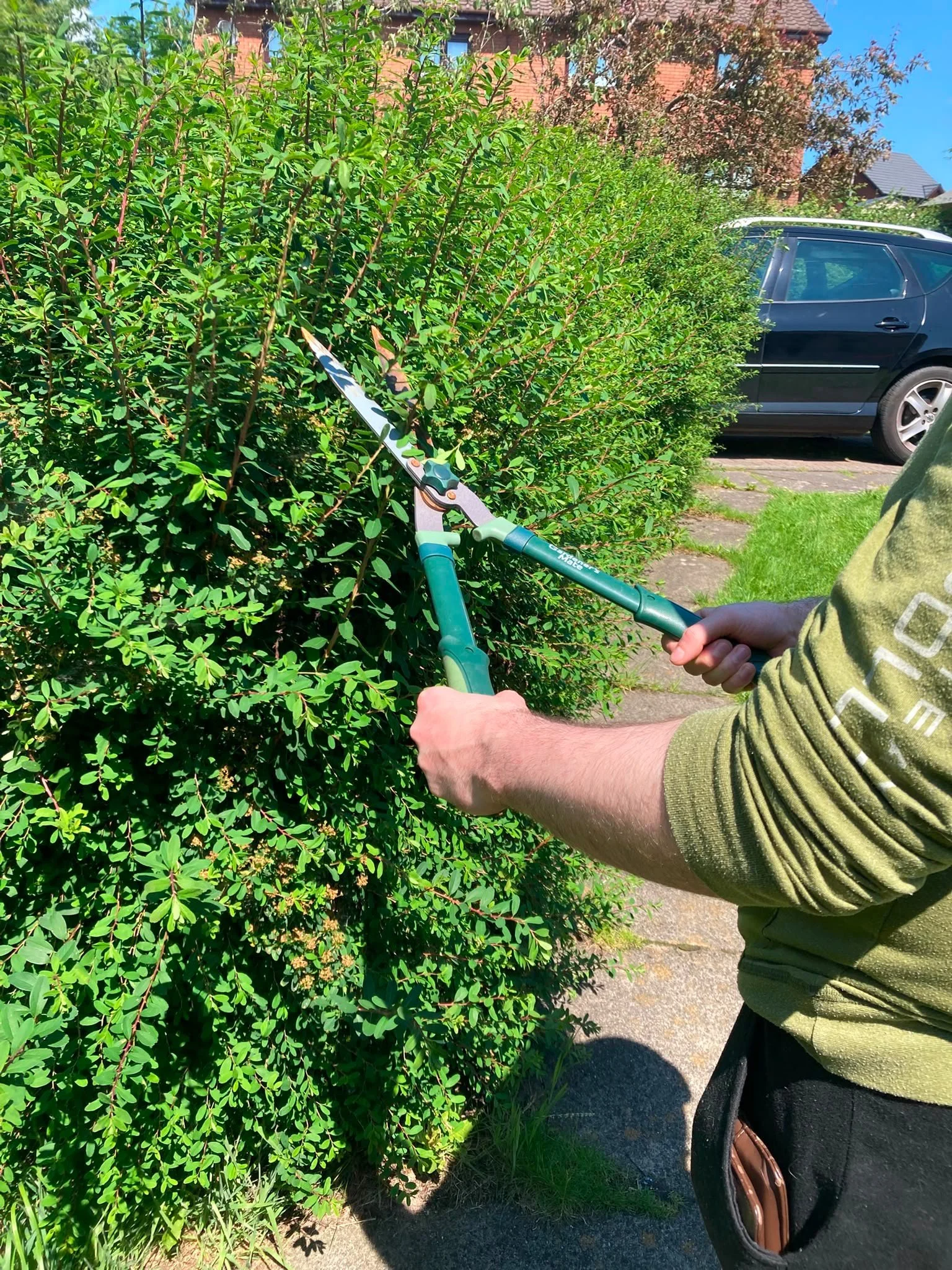
Everyday Life Can Be Demanding
Take gardening for example the repetitive movement of cutting a hedge
What Does MSK Mean?
You may see the term MSK used when reading about Sports Therapy or RCMM.
MSK stands for musculoskeletal.
In plain English, that refers to structures involved in movement and physical support, including:
muscles
joints
bones
related soft tissues
sometimes associated nerves
NHS England describes musculoskeletal conditions as affecting joints, bones, muscles and sometimes associated tissues such as nerves. Common experiences can include pain, stiffness and limited movement. (NHS England)
Not every feeling of tightness or stiffness means somebody has a medical condition.
But MSK is a useful broad term for the muscles, joints and related structures that help us move and manage physical demands.
At RCMM, movement-led musculoskeletal support means looking at how:
muscles
joints
soft tissues
movement
work
activity
routine
physical demand
may be interacting.
It does not mean making every appointment medical or complicated.
It means looking beyond one isolated muscle when the wider picture matters.
What Might Bring a Non-Athlete to a Sports Therapist?
There is no single correct reason.
A non-athlete might speak to a Sports Therapist because:
one area repeatedly feels tight
a shoulder feels overworked after work
the neck and upper back feel stiff after desk-based days
the hips feel restricted after driving
the legs feel heavy after more walking
gardening or DIY has left the body feeling unusually worked
movement has become less comfortable
they are returning to activity after time away
the same issue keeps returning
they are unsure whether massage or assessment makes more sense
they want a clearer understanding of what may be contributing
they want practical support that fits everyday life
Some people arrive with a specific area in mind.
They may say:
“My right shoulder keeps tightening up.”
Others describe a situation:
“I feel fine at first, but standing all day catches up with me.”
Some are less certain:
“I don’t know why, but movement has started feeling harder.”
The starting point does not need to sound clinical.
A useful appointment begins with what the person has noticed.
How RCMM Uses Sports Therapy Differently
RCMM is not an athlete-only clinic.
We are also not trying to turn ordinary physical concerns into performance problems.
Our approach is:
movement-first
MSK-aware
strength-informed
practical
calm
focused on everyday adults
Ross’s Sports Therapy training informs how we think about:
movement
muscles and joints
physical load
repeated demand
recovery
strength
confidence
function
appropriate next steps
But the appointment still starts with the person.
Not the professional label.
Not a predetermined system.
Not a list of tests that everybody must complete.
At RCMM, someone may mainly need:
targeted hands-on work
general comfort
a movement-focused assessment
an explanation
help choosing the right next step
guidance towards another service
That is why we use the Three Path model.
It helps separate three different reasons someone may attend.
Comfort Path
“I want my whole body to feel better.”
This usually points towards Deep Tissue Massage.
Movement Path
“I know where the problem is.”
This usually points towards Sports Massage.
Function Path
“I don’t know why this keeps happening.”
This usually points towards a Movement & Function Assessment.
Being sporty does not decide the path.
The person’s goal does.
What Happens During an RCMM Appointment?
The exact appointment depends on the service booked.
It does not depend on whether you play sport.
A Conversation First
Ross will ask what you have been noticing.
That may include:
where something feels tight or uncomfortable
when it started
what usually makes it more noticeable
what your work or routine involves
whether activity has recently changed
what you want help with
what you hope to get from the session
You do not need to arrive with the correct terminology.
You do not need to know which muscle is involved.
You do not need to explain the issue like a professional.
You only need to describe what has been happening in your own words.
Movement Where It Adds Value
Movement may be explored when it helps answer the question.
That might include looking at:
how an area moves
which movements feel comfortable
whether one task feels harder than another
how the body shares effort
simple strength or control checks
how the issue relates to an everyday task
This is not a performance test.
You are not being graded.
The purpose is to gather useful information.
Hands-On Support Where Appropriate
Depending on the appointment, hands-on work may form most of the session or sit alongside movement discussion.
Pressure and treatment are adapted to the individual.
The goal is not to prove how much pressure someone can tolerate.
The goal is to provide purposeful support that fits what the person booked.
Clear Next Steps
Where practical guidance is useful, it should make sense in real life.
That may involve:
noticing when an issue usually builds
changing position more often
managing a sudden increase in workload
gradually returning to an activity
exploring simple movement
considering strength or capacity
deciding whether another appointment would add value
seeking a different type of support where appropriate
The aim is clarity.
Not a long list of instructions.
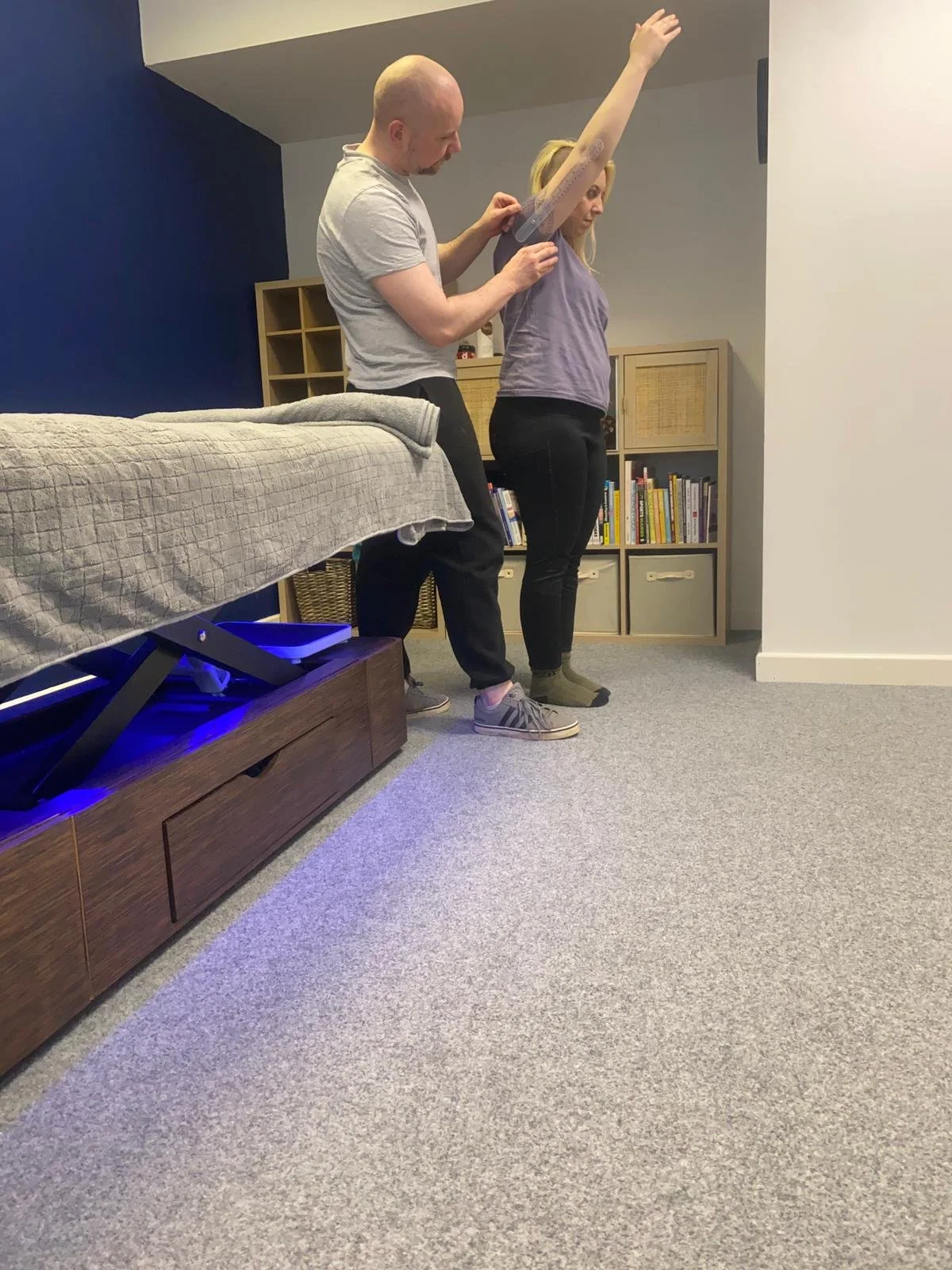
What to expect during an RCMM Sports Therapy led Assessment
Conversation first and movement may be explored
You May Be More Active Than You Think
Some people reject the idea of Sports Therapy because they say:
“I’m not active.”
But activity is not limited to formal exercise.
A person may not train, but still spend their week:
walking between buildings
carrying stock
using tools
standing behind a counter
lifting equipment
commuting
looking after a household
caring for children
using stairs
doing practical work
Another person may exercise three times a week but sit for most of the remaining time.
Neither person fits neatly into “active” or “inactive”.
Real life is more mixed.
This matters because the body responds to total demand.
Not just workouts.
Sometimes an area feels overloaded because someone has done more than usual.
Sometimes it is because the same small demand repeats every day.
Sometimes the issue is not how much someone does.
It is the sudden change from what they were previously prepared for.
A Sports Therapist can use movement and exercise principles without making the person’s life revolve around sport.
Sports Therapy Does Not Mean Everything Is an Injury
Another misunderstanding is that somebody needs a diagnosed sports injury before seeing a Sports Therapist.
They do not.
At RCMM, people often attend because something feels:
tight
stiff
restricted
overworked
uncomfortable during movement
harder than usual
unclear or repeatedly frustrating
That does not automatically tell us what the cause is.
It also does not mean every concern belongs within RCMM’s scope.
The useful starting point is to listen, explore what is appropriate and decide what makes sense next.
Sometimes that will be hands-on support.
Sometimes it will be movement-focused assessment.
Sometimes the most appropriate advice will be to speak to a GP, pharmacist, NHS service or another healthcare professional.
The professional standard is not to claim ownership of every problem.
It is to recognise what fits and what does not.
When Another Type of Support May Be More Appropriate
Sports Therapy is not the right starting point for every situation.
Another type of support may be more appropriate when someone needs:
urgent medical assessment
diagnosis of a medical condition
medication advice
imaging decisions
management of a complex medical condition
specialist neurological, rheumatological or surgical assessment
emergency or acute injury care
support beyond the practitioner’s training or competence
Professional Sports Therapy standards include understanding the limits of practice, working safely and referring appropriately. (The Society of Sports Therapists)
At RCMM, if something appears outside the most appropriate scope for the appointment, we will explain clearly and help guide you towards a more suitable next step.
That is not a weakness.
It is part of responsible practice.
Which RCMM Service Fits Your Situation?
You do not choose based on whether you play sport.
Choose based on what you want from the appointment.
Sports Massage — The Movement Path
Sports Massage may fit when:
one area feels tight or overworked
you know where you want focused support
work or activity has affected a particular area
movement around that area feels restricted
you want targeted hands-on treatment
The client mindset is:
“I know where the problem is.”
Deep Tissue Massage — The Comfort Path
Deep Tissue Massage may fit when:
tension feels more general
several areas feel physically overloaded
you want a slower full-body session
the main goal is comfort
you are not looking for a movement assessment
The client mindset is:
“I want my whole body to feel better.”
Movement & Function Assessment — The Function Path
A Movement & Function Assessment may fit when:
the same issue keeps returning
the cause feels unclear
several areas seem connected
movement feels harder than it should
you have already tried different things
you want a clearer picture
you are unsure what to book
The client mindset is:
“I don’t know why this keeps happening.”
You do not need to arrive knowing the answer.
The purpose of the pathways is to make the decision easier.
The Wider Movement Picture
The word sports can make the profession sound narrower than it is.
But many of the principles used in Sports Therapy relate to things that affect everybody:
how the body moves
how much work it is doing
how it responds to change
how it recovers
how strength supports activity
how confidence affects movement
how people return to the things that matter to them
The destination is not always sport.
It may be:
work
walking
gardening
travel
hobbies
family life
exercise
daily independence
feeling more physically capable
Our article on why some people feel better once they get moving explains how movement can change stiffness, confidence and how the body shares effort after sitting or staying still.
That is the RCMM view of Sports Therapy.
Use the professional knowledge.
Keep the explanation human.
Apply it to real life.
Key Takeaways
You do not have to play sport to see a Sports Therapist.
The title reflects professional training in sport and exercise science, movement, assessment and musculoskeletal support.
The Society of Sports Therapists describes the profession as supporting functional, occupational and sports-specific fitness regardless of age and ability. (The Society of Sports Therapists)
That means the principles can be relevant to:
workers
parents
walkers
gardeners
people returning to activity
people with physical hobbies
gym-goers
athletes
everyday adults who want movement to feel clearer or more comfortable
At RCMM, Sports Therapy does not mean athlete-first care.
It means using movement-focused, MSK-aware and strength-informed reasoning in a way that fits the person.
The right appointment depends on the question in your head:
“I want my whole body to feel better.”
“I know where the problem is.”
“I don’t know why this keeps happening.”
Your identity as an athlete does not decide the answer.
Your goal does.
How RCMM Can Help
RC Muscle & Movement is a movement-first Sports Therapy, massage and assessment clinic in East Kilbride.
We support everyday adults dealing with:
recurring tightness
stiffness
overworked areas
restricted movement
physical discomfort linked to work or routine
uncertainty about why the same issue keeps returning
movement that feels harder than it should
Support may involve:
movement observation
hands-on soft-tissue support
practical guidance
strength-informed discussion where useful
clear explanation in everyday language
You do not need to be sporty.
You do not need to know the correct professional term.
You do not need to arrive knowing which muscle or joint is involved.
Start with what you have been noticing.
We will help make the next step clearer.
FAQs
Do I need to play sport to see a Sports Therapist?
No. Sports Therapists may work with athletes, but the profession can also apply movement, exercise science and musculoskeletal principles to work, everyday activity and functional goals. The Society of Sports Therapists describes Sports Therapy as supporting functional, occupational and sports-specific fitness regardless of age and ability.
Is Sports Therapy only for athletes?
No. Some Sports Therapists work mainly in sport, while others work in clinics, community settings or broader musculoskeletal care. Individual practitioners may also develop different areas of focus.
Can I see a Sports Therapist if my problem came from work?
Potentially, yes. Physical work, repeated positions, lifting, standing, driving and desk-based routines can all affect how muscles and joints feel. Whether Sports Therapy is suitable depends on what is happening and whether it fits the practitioner’s scope.
Can I see a Sports Therapist if I do not exercise?
Yes. You do not need a gym membership or exercise routine. Everyday activities such as walking, carrying, gardening, working and caring responsibilities still involve physical movement and demand.
What can a Sports Therapist help with?
The answer depends on the practitioner’s scope. Sports Therapy training may include assessment, movement, exercise principles, hands-on techniques, rehabilitation and professional referral. At RCMM, the focus is recurring tightness, stiffness, overworked areas, movement restriction and everyday MSK concerns.
Is a Sports Therapist the same as a sports massage therapist?
Not necessarily. Sports Massage is one possible hands-on service. Sports Therapy is a wider professional discipline that may also involve assessment, movement, exercise and rehabilitation principles. At RCMM, Sports Massage is one of three service paths.
Do I need to have an injury?
No. Some people attend because of an injury, but others seek support for tightness, stiffness, restricted movement or areas that repeatedly feel overworked. If something appears outside RCMM’s scope, we will explain and guide you towards an appropriate next step.
What happens during a Sports Therapy appointment at RCMM?
The appointment begins with a conversation about what you have noticed and what you want help with. Depending on the service, it may include movement observation, hands-on treatment, simple strength or control checks and practical guidance.
Should I book Sports Massage or a Movement & Function Assessment?
Book Sports Massage when one clear area feels tight or overworked and you want targeted hands-on support. Choose Movement & Function Assessment when the issue keeps returning, feels unclear, involves several areas or you want to understand what may be contributing.
What should I book if I mainly want general massage?
Deep Tissue Massage is usually the better fit when the main goal is general comfort, full-body tension support or a physical reset rather than investigating a specific recurring movement issue.
Source Base Used
The Society of Sports Therapists. What Is Sports Therapy?
Used for the professional definition of Sports Therapy, functional and occupational fitness, age and ability, competency areas, treatment and referral. (The Society of Sports Therapists)The Society of Sports Therapists. Standards of Proficiency.
Used for professional scope, safe practice, referral, evidence-informed reasoning, communication and recognising the limits of practice. (The Society of Sports Therapists)The Society of Sports Therapists. Standards of Conduct, Performance and Ethics.
Used for professional responsibilities, conduct and client-centred care. (The Society of Sports Therapists)NHS England. Musculoskeletal Health.
Used for the public definition of musculoskeletal structures and common MSK experiences. (NHS England)Edge Hill University. BSc (Hons) Sports Therapy.
Society of Sports Therapists-accredited course information used to verify education in anatomy, physiology, kinesiology, exercise therapy, assessment, treatment, research and clinical reasoning. (Edge Hill University)Solent University. BSc (Hons) Sport and Exercise Therapy.
Society of Sports Therapists-accredited course information used to verify training in broader MSK care, anatomy, physiology, biomechanics, pathology, assessment, treatment, exercise intervention and work with the general population. (Solent University)