Is Soreness After Massage Normal?
Summary
Mild tenderness or aching can sometimes happen after massage.
It does not automatically mean something went wrong. It also does not prove that the treatment was effective.
The feeling should be manageable and should begin to settle rather than become progressively worse. Severe pain, substantial bruising or swelling, worsening symptoms, numbness, weakness or anything that feels unusual should not be dismissed as a normal reaction.
Educational Note
This article provides general education.
It is not medical advice, a diagnosis or personalised aftercare.
RC Muscle & Movement provides movement-focused assessment and hands-on soft-tissue support within our Sports Therapy, massage and strength-informed scope.
People’s health, medication, sensitivity and reasons for booking differ. Contact your practitioner if you are concerned about how you feel after a session. Seek appropriate medical advice if symptoms are severe, worsening or accompanied by other concerning changes.
A Common Question After Massage
Many people leave a massage feeling more comfortable.
The area may feel easier to move. General tension may feel reduced. Some people feel relaxed or physically lighter.
Others notice something different later that day or the following morning:
tenderness where the practitioner worked
a mild local ache
temporary stiffness
an area feeling more noticeable than usual
sensitivity when touching the area
That can raise an understandable question:
“Is it normal to feel sore after a massage?”
The most accurate answer is:
Mild soreness can happen, but it is not inevitable, necessary or a measure of whether the massage worked.
Reviews of massage research have reported increased pain, muscle soreness and stiffness among the more commonly recorded minor adverse effects. However, many studies do not report adverse effects consistently, so the evidence cannot give one precise likelihood or timetable that applies to everyone. (JAMA Network)
What Does “Normal” Mean Here?
The word normal can be unhelpfully vague.
It should not mean:
everyone feels sore
the massage needs to hurt
soreness proves that a muscle was treated properly
greater soreness means a better session
you should ignore pain because it is “part of the process”
A more useful interpretation is:
Mild, temporary tenderness is one possible response to massage.
Some people experience no soreness at all.
Some notice a small amount of tenderness in one area.
Others may find that the area feels more sensitive than expected.
All of those responses can happen. There is no single reaction that proves the session was successful.
Massage is generally considered low risk when it is delivered appropriately by a trained practitioner. The reported adverse effects in research are mostly minor, although safety reporting is incomplete and rare serious events have been described. (JAMA Network)
Why Might You Feel Sore After Massage?
There is no single proven explanation for every case of post-massage soreness.
Massage includes many different techniques, levels of pressure, treatment durations and reasons for use. People also arrive with different levels of sensitivity, activity, fatigue and existing discomfort.
Several factors may influence how someone feels afterwards.
The area was already sensitive
A person may book because an area already feels:
tender
overworked
sore after training
uncomfortable during movement
sensitive to pressure
irritated after a demanding week
Massage does not begin with a completely neutral area.
If the tissue was already noticeable before the session, it may remain noticeable afterwards—even if the overall experience was helpful.
The session involved focused hands-on work
A targeted session may spend more time on one area than the person is used to.
The pressure should still remain manageable and appropriate. However, unfamiliar hands-on input can leave an area feeling temporarily more noticeable.
This does not mean the practitioner has “broken down” a knot or deliberately damaged muscle.
It means the area has received direct physical input, and the individual response can vary.
The pressure may not have suited you
Pressure is personal.
What one person experiences as comfortable and useful may feel excessive to someone else.
People also respond differently from one appointment to another. Sleep, recent activity, existing soreness, stress and general health may influence how comfortable pressure feels on a particular day.
At RCMM, the aim of Sports Massage is purposeful, targeted support—not maximum pressure. Deep Tissue Massage also uses pressure adapted to the individual rather than asking someone to tolerate unnecessary intensity.
The original discomfort may still be present
Sometimes the sensation after massage is not entirely new.
An area may already have been:
sore from training
sensitive after gardening
uncomfortable after work
tender from repeated lifting
stiff after sitting
irritated before the appointment
Massage may change how that area feels without removing every part of the original experience immediately.
It can therefore be difficult to separate:
the soreness that brought you to the appointment
the effect of recent activity
temporary tenderness after hands-on treatment
That is one reason clear communication before and after the session matters.
Soreness After Massage Is Not Automatically DOMS
Delayed-onset muscle soreness—usually called DOMS—refers to soreness following unfamiliar or demanding exercise.
It commonly develops after activity that challenges muscles in a way they are not accustomed to. That may include a new exercise, more training volume, hill walking, returning to the gym or a demanding physical activity.
Feeling tender after massage is not automatically DOMS.
Massage is not a substitute strength session, and post-massage tenderness does not prove that the muscles have undergone a useful training adaptation.
Someone who had massage shortly after exercise may be experiencing a mixture of:
pre-existing post-training soreness
local tenderness
fatigue
sensitivity after treatment
Our article on whether Sports Massage helps recovery after training explores DOMS and explains why feeling less sore is not the same as restoring physical performance.
Does Soreness Mean The Massage Worked?
No.
Soreness is not a score for treatment quality.
A massage can be useful without leaving you tender afterwards. You may notice:
greater comfort
an area feeling easier to move
less general tension
a change in how noticeable the area feels
a chance to slow down physically
a more settled response after the session
None of those outcomes requires soreness.
Equally, feeling sore does not automatically mean the session was harmful.
The important questions are:
Is the soreness mild or severe?
Is it beginning to settle?
Can you move normally?
Is there unusual bruising or swelling?
Are there any new symptoms?
Did the pressure feel manageable during the session?
The goal is a useful, proportionate response—not proving how much pressure someone can tolerate.
Should Massage Hurt During The Session?
Massage should not require you to endure unmanageable pain.
Some focused techniques can feel intense, particularly around an already sensitive area. But there is a difference between:
firm but manageable pressure
useful tenderness
discomfort that makes you brace, hold your breath or want the practitioner to stop
You can ask for pressure to be changed at any time.
That is not interrupting the treatment.
It is useful information.
The practitioner cannot experience the pressure from your side of the couch. Clear feedback helps them adapt the session to you.
At RCMM, pressure is adjusted according to the person, the area being treated and what feels useful on the day. The Sports Massage service page describes this as purposeful treatment rather than maximum pressure, while Deep Tissue Massage is slower and adapted rather than deliberately painful.
Why Do People Respond Differently?
Two people can receive similar massage and feel different afterwards.
The same person can also respond differently from one appointment to the next.
That does not necessarily mean one session was performed correctly and another was not.
The response may be influenced by:
why the person booked
how sensitive the area felt beforehand
recent physical activity
the style and duration of treatment
the amount of pressure used
general health
medication
previous experience of massage
how the individual responds to hands-on input
The research reflects this variation. Massage is not one standardised treatment: studies use different techniques, providers, dosages, durations and populations. Safety data are also inconsistently recorded. That limits how confidently anyone can predict exactly how a particular person will feel afterwards. (JAMA Network)
Our related article Why Massage Helps You Feel Better: It’s Not Just Muscle will explore the nervous-system response and why the experience of massage involves more than a simple mechanical change to muscle.
What Can You Do If You Feel Mildly Sore?
You do not need an elaborate aftercare routine.
Start by paying attention to the direction in which the symptoms are moving.
Ask:
Is the tenderness manageable?
Is it staying the same, easing or becoming worse?
Can I move normally?
Does gentle everyday movement feel comfortable?
Is there bruising, swelling or another unexpected change?
If movement feels comfortable, you can usually continue with normal light daily activity.
Avoid forcing a painful stretch, pressing repeatedly into the area or completing a demanding session simply to “work the soreness out”.
You can also contact the practitioner who carried out the massage. Tell them:
where you feel sore
when it began
how strong it feels
whether it is improving
whether there is bruising, swelling or another symptom
That information can help them advise you appropriately and adapt any future session.
How Long Should Soreness Last?
Research does not provide one reliable universal timeframe for soreness after massage.
Be cautious with claims that it should always last exactly:
24 hours
48 hours
three days
People and treatments vary too much for that to become a fixed rule.
A practical distinction is whether mild tenderness is beginning to settle or becoming more pronounced.
Contact the practitioner if:
the soreness feels stronger than expected
it is not beginning to improve
it interferes with normal movement
you are uncertain whether the response is appropriate
you are worried for any reason
You do not need to wait until something becomes severe before asking a question.
When Soreness Needs More Attention
Mild local tenderness is different from severe or unusual symptoms.
Seek appropriate medical advice if you experience:
severe or rapidly worsening pain
substantial or unexplained bruising
significant swelling
new numbness or tingling
weakness
major loss of movement
difficulty bearing weight
chest pain
breathlessness
fainting or feeling acutely unwell
fever or another unexpected systemic symptom
Massage appears to carry few risks when used appropriately, but forceful massage requires additional caution in people with bleeding disorders, low platelet counts or anticoagulant medication. Vigorous massage should also be avoided over wounds or vulnerable skin. (NCCIH)
Tell your practitioner before treatment if you:
take blood-thinning medication
bruise or bleed easily
have a bleeding disorder
have had recent surgery
have a recent injury
have a condition affecting bones, skin or circulation
are pregnant
have experienced an important change in health
The aim is not to make massage sound dangerous.
It is to make sure the session fits the person.
Care doesnt end when you walk out RCMM’s Door
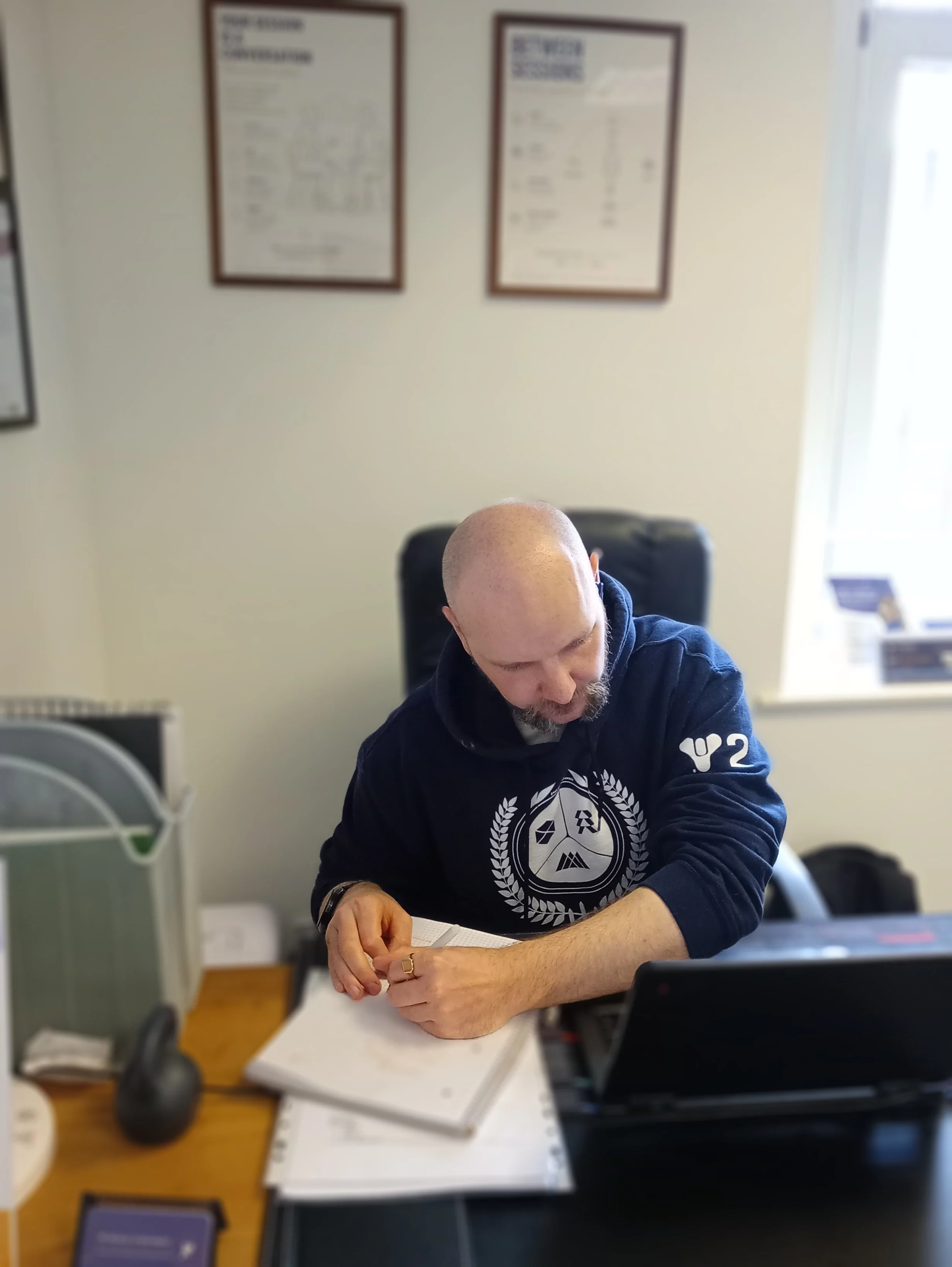
every client receives a post massage check in via the communication they prefer. Whether its your first session or you’re a regular. It matters to us that treatment went well and you understand best aftercare methods .
How RCMM Approaches Post-Massage Soreness
RCMM does not use soreness as a treatment target.
We do not judge a session by:
how painful it felt
how much pressure was tolerated
whether the person was sore the next day
how forcefully one area was treated
We begin with a conversation about what you have been noticing and what you want from the appointment.
Pressure is then adapted throughout the session.
For some people, that means targeted Sports Massage around one clear area.
For others, Deep Tissue Massage provides slower, broader hands-on support for general tension and comfort.
If the same problem keeps returning and you want to understand what may be contributing, a Movement & Function Assessment may be a better fit than repeatedly increasing massage pressure.
If your main question is why the original tightness returns days or weeks after feeling better, read Why Does Tightness Come Back After Massage? That article addresses recurring workload and movement demand rather than immediate post-treatment tenderness.
Key Takeaways
Mild tenderness or aching can sometimes happen after massage.
It is not inevitable.
It is not required.
It does not prove that the massage worked.
The soreness should remain manageable and begin to settle rather than become progressively worse.
Pressure should be adapted to you, and you can ask for it to be changed at any point.
Contact your practitioner if the response feels stronger than expected or you are uncertain.
Seek appropriate medical advice for severe, worsening or unusual symptoms.
How RCMM Can Help
RC Muscle & Movement provides Sports Massage, Deep Tissue Massage and Movement & Function Assessment in East Kilbride.
Our approach is straightforward:
pressure adapted to the person
clear communication
no expectation that massage must hurt
realistic explanations
hands-on support matched to the reason for booking
If you feel unexpectedly sore after an RCMM appointment, contact us.
It is better to ask than sit wondering whether your response is normal.
If you are deciding what to book:
choose Sports Massage when one area needs targeted support
choose Deep Tissue Massage when your main goal is broader comfort
choose Movement & Function Assessment when something keeps returning or remains unclear
FAQs
Is it normal to feel sore the day after a massage?
Mild tenderness or aching can happen after massage. It is not inevitable and should not be treated as proof that the treatment worked. The important point is whether the soreness is manageable and beginning to settle.
How long should soreness after massage last?
There is no reliable universal timeframe that applies to everyone. Mild soreness should begin to ease rather than become progressively worse. Contact your practitioner if it remains strong, affects normal movement or is not improving as expected.
Does soreness mean the massage was too deep?
Not necessarily.
Some people experience mild tenderness even when the pressure felt manageable. However, strong soreness may suggest that the session or pressure was more than suited you on that occasion. Tell the practitioner so they can take it into account.
Should a massage hurt to work?
No.
A useful massage does not need to be unmanageably painful. Some focused work may feel intense, but pressure should remain tolerable and can be adjusted at any time.
Does feeling sore mean the massage worked?
No.
Soreness is not a reliable measure of treatment quality. Someone can benefit from massage without feeling sore afterwards.
Can massage cause bruising?
Bruising can occur, but it should not be treated as a routine target or sign of effective treatment. Tell your practitioner about significant or unexplained bruising. Extra caution is needed for people taking anticoagulants or living with bleeding disorders. (NCCIH)
Is soreness after massage the same as DOMS?
Not automatically.
DOMS describes soreness following unfamiliar or demanding exercise. Tenderness after hands-on treatment is a different context, although someone who had massage after exercise may experience both at the same time.
When should I seek medical advice after massage?
Seek appropriate advice if pain is severe or worsening, or if you develop significant swelling or bruising, numbness, weakness, major loss of movement, difficulty bearing weight, chest pain, breathlessness or another unusual symptom.
Source Base Used
Mak S, et al. Use of Massage Therapy for Pain, 2018–2023: A Systematic Review. JAMA Network Open. 2024.
This evidence map reports that mild discomfort or additional pain can occur after massage, while serious adverse effects were not reported in the included reviews. It also makes clear that the overall certainty of massage evidence is frequently low. (JAMA Network)
Crawford C, et al. The Impact of Massage Therapy on Function in Pain Populations: A Systematic Review and Meta-Analysis. Pain Medicine. 2016.
This review identifies increased pain, muscle soreness and stiffness among the more commonly reported minor adverse effects, while also noting incomplete safety reporting. (OUP Academic)
Yin P, et al. Adverse Events of Massage Therapy in Pain-Related Conditions: A Systematic Review. Evidence-Based Complementary and Alternative Medicine. 2014.
This review examines the frequency and severity of adverse events reported after massage therapy and supports a cautious distinction between minor reactions and rare serious events. (PMC)
National Center for Complementary and Integrative Health. Complementary Health Approaches for Chronic Pain: What the Science Says.
This provides the safety guidance concerning trained practitioners, anticoagulant medication, bleeding disorders, wounds and the rare reports associated with vigorous massage. (NCCIH)
NHS. Anticoagulant Medicines: Side Effects.
This supports the need for extra care around bruising and bleeding in people taking anticoagulant medication. (nhs.uk)