Why Massage Helps You Feel Better: It’s Not Just Muscle
Summary
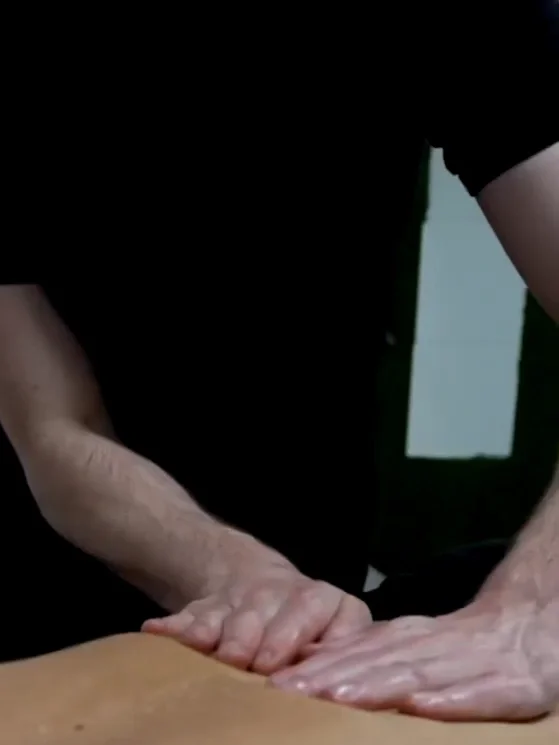
Massage may help you feel better without permanently changing the structure of a muscle.
Touch and pressure provide sensory information that the nervous system processes alongside your current comfort, expectations, previous experiences and the setting in which treatment takes place. This may influence relaxation, pain perception and how strongly an area feels tight or uncomfortable.
Research suggests massage may produce short-term changes in relaxation and some measures linked with autonomic activity. However, the results are inconsistent, and massage should not be described as a guaranteed nervous-system reset. (PLOS)
Educational Note
This article provides general education.
It is not medical advice, a diagnosis or a claim that massage can treat every source of pain, tension or stress.
RC Muscle & Movement provides movement-focused assessment and hands-on soft-tissue support within our Sports Therapy and massage scope.
Massage should not replace appropriate medical assessment where symptoms are severe, worsening, unexplained or accompanied by concerning changes.
Why Can Massage Change How You Feel?
Someone may arrive for massage feeling:
tense
stiff
physically overloaded
uncomfortable in one area
unable to settle
more aware of their body than usual
After the session, they might describe feeling:
more comfortable
less tense
easier to move
physically lighter
more relaxed
less aware of the original area
Those experiences are real.
But they do not necessarily mean that a knot was broken apart, fascia was permanently released or a muscle was physically lengthened.
Massage creates a combination of touch, pressure, movement, warmth, attention and time away from normal demands. The nervous system receives and interprets that information. The response can involve more than the local tissue beneath the therapist’s hands. A recent review of manual-therapy research found stronger support for neurological and neurovascular responses than for the traditional idea that treatment mainly works through lasting biomechanical changes. The authors also stressed that the mechanisms are complex and do not translate neatly into guaranteed clinical outcomes. (PLOS)
Massage Is A Sensory Experience
Your nervous system constantly receives information from:
the skin
muscles and joints
vision
hearing
balance systems
internal organs
the surrounding environment
Massage adds another stream of sensory information.
Pressure, movement and contact are detected by sensory receptors. The resulting signals are processed together with everything else the nervous system already knows about the situation.
That includes:
whether the contact feels comfortable
whether you trust the practitioner
whether the pressure feels manageable
what you expect from the session
how sensitive the area felt beforehand
your previous experiences of massage
whether you feel able to relax
what else your body has dealt with that day
This is one reason the same technique can feel useful to one person, neutral to another and unpleasant to someone else.
Research into manual-therapy mechanisms increasingly recognises that the response involves an interaction between the physical input, the individual and the treatment context. The mechanisms are unlikely to be identical across every person or every session. (PLOS)
The Nervous System Is Not An On-Off Switch
It is common to hear massage described as:
“Switching off the sympathetic nervous system.”
or:
“Turning on the parasympathetic nervous system.”
That language is simple, but the biology is not.
The autonomic nervous system helps regulate automatic functions including heart rate, digestion, breathing and blood-vessel activity. Its sympathetic and parasympathetic branches work together continuously. One is not simply bad and the other good.
Massage may influence autonomic activity, but it does not permanently turn one system off or reset the body.
An overview of systematic reviews found that manual therapies may influence both sympathetic and parasympathetic measures. However, the results were inconsistent, and the size and clinical importance of any specific autonomic effect remained uncertain. (PLOS)
A more accurate public explanation is:
Massage may create conditions in which some people feel more settled and relaxed for a period of time.
That is useful without claiming more than the research can support.
What Does Heart-Rate Variability Tell Us?
Some massage studies measure heart-rate variability, often shortened to HRV.
HRV describes variation in the time between heartbeats. Certain HRV measures are influenced by autonomic regulation and are sometimes used in research as part of a wider picture of physiological relaxation.
In one controlled laboratory study, ten minutes of massage produced a greater increase in a parasympathetic-related HRV measure than quiet rest. However, all three groups—including the people who simply rested—reported reduced stress and increased relaxation. The study involved healthy young women in a controlled setting, so it does not prove that every type of massage produces the same response in every person. (Nature)
That study gives us two useful lessons.
First, massage may contribute to short-term physiological relaxation.
Second, stopping, lying down and having ten minutes without normal demands can also matter.
The massage experience cannot always be separated neatly into:
the effect of pressure
the effect of touch
the effect of rest
the effect of attention
the effect of the environment
the person’s expectations and preferences
The whole setting may contribute.
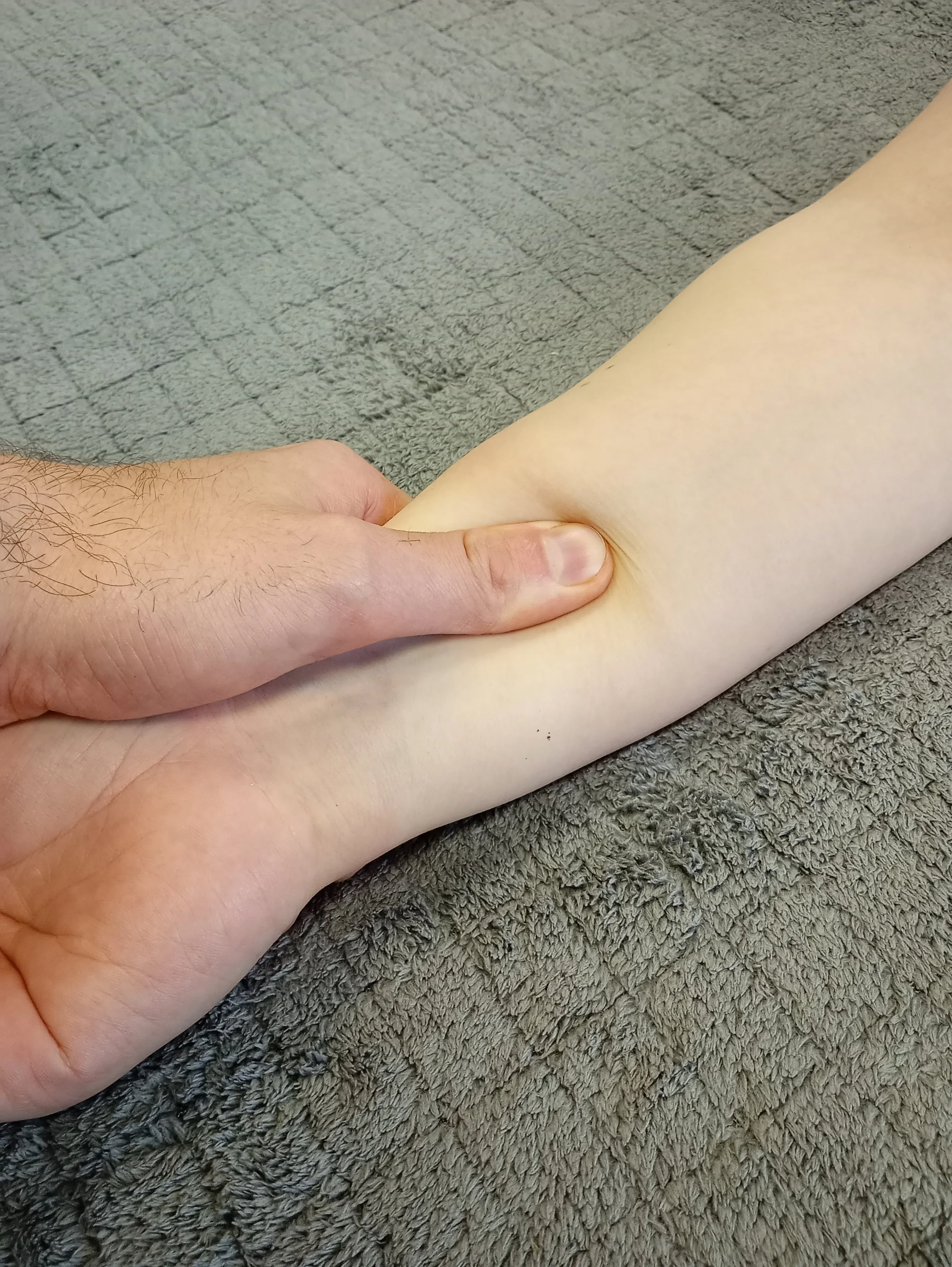
Does Massage “Release” Tight Muscles?
People commonly say that a muscle has:
released
loosened
let go
stopped guarding
become less knotted
Those phrases may describe how the area feels.
They should not automatically be treated as literal descriptions of a structural change.
A person may experience less tightness because:
the sensation feels less intense
pressure has changed how noticeable the area feels
the person is more relaxed
movement feels more comfortable
attention has shifted
pain or sensitivity has temporarily reduced
they feel more confident moving the area
None of those possibilities requires us to claim that the therapist physically broke apart a knot.
Manual therapy appears capable of producing responses across several body systems, but research has not established one single mechanism that explains every treatment response. The better-supported findings relate to neurological and multisystem responses rather than permanent mechanical correction of tissue. (PLOS)
If you are interested in sports massage for activity , training or the gym read our blog Does Sports Massage Help Recovery After Training.
Why Can An Area Feel Easier To Move Afterwards?
An area may feel easier to move after massage even when its structure has not been permanently altered.
Comfort affects movement.
When a movement feels sore, uncertain or highly noticeable, people may naturally:
move more slowly
use less range
brace
hesitate
avoid a direction
pay close attention to the area
If the sensation becomes less prominent after massage, movement may feel more available or less effortful.
This does not prove that:
the joint has been realigned
a muscle has been permanently lengthened
scar tissue has been broken down
a movement problem has been corrected
the change will last indefinitely
It means the person’s experience of the movement has changed.
The current evidence for massage and pain is mixed. A 2024 evidence map found no high-certainty conclusions across the systematic reviews it examined. A small number of conclusions reached moderate certainty and favoured massage for pain, but most remained low or very low certainty, and clear superiority over other active treatments was uncommon. (JAMA Network)
That supports a proportionate conclusion:
Massage may help some people feel more comfortable, particularly in the short term, but it should not be sold as a guaranteed or permanent correction.
Feeling Better Does Not Require A Permanent Change
A temporary improvement can still be useful.
Imagine that your shoulders feel heavy after a demanding week.
After massage, they feel less noticeable. Turning your head feels easier. You feel more settled for the rest of the evening.
The effect does not have to last forever to have value.
It may give you:
a period of greater comfort
a break from feeling physically overloaded
easier everyday movement
a more settled experience of the area
a chance to slow down
The important point is to match the expectation to what massage can reasonably provide.
If the main goal is comfort, a short-term improvement may be meaningful.
If the expectation is that one session will permanently remove a recurring issue while work, training, stress or movement demand stays unchanged, disappointment is more likely.
Our article on why tightness comes back after massage explores that separate question: why the original feeling can rebuild after the immediate treatment response has passed.
Why Does Massage Feel Relaxing To Some People?
Massage often takes place in an environment that reduces competing demands.
For part of the session, the person may be:
lying down
away from work
not checking a phone
not making decisions
receiving focused attention
breathing at their natural pace
spending time in a quieter setting
Touch and pressure may add to that experience.
Controlled research suggests massage can increase physiological measures associated with relaxation, but rest itself also produces measurable and subjective changes. (Nature)
This means it would be too simplistic to say:
“Massage relaxes everyone by activating the vagus nerve.”
A more accurate explanation is:
The combination of comfortable touch, manageable pressure, rest and context may help some people feel less physiologically and mentally activated for a time.
Some people relax deeply.
Some remain alert.
Some enjoy targeted massage but do not find it mentally relaxing.
Some dislike massage altogether.
There is no correct response.
Does Pressure Need To Be Deep?
No.
More pressure does not automatically create a stronger nervous-system response or a better result.
In the controlled relaxation study, both massage approaches produced similar increases in the measured HRV outcome despite using different levels of pressure. (Nature)
That does not tell us the ideal pressure for every real-world treatment. It does undermine the assumption that harder pressure must be more effective.
Pressure should reflect:
the person’s preference
the reason for booking
the area being treated
current sensitivity
how the person responds during the session
what feels manageable and useful
At RCMM, the aim is not to find the greatest pressure someone can tolerate.
It is to use appropriate hands-on input for the goal of the session.
Our Deep Tissue Massagesessions use a slower pace and pressure adapted to the person, while Sports Massage provides more targeted support for a specific area. Neither service requires unmanageable pain.
Is Massage Changing The Muscle Or The Nervous System?
This creates a false choice.
Massage involves physical contact with skin and soft tissues.
That contact produces sensory information.
The nervous system processes the information.
The response may involve neurological, vascular, autonomic, perceptual and local physiological changes.
The body does not divide the experience neatly into:
“This part is muscle.”
and:
“This part is nervous system.”
The systems interact.
What the evidence does not justify is reducing massage to a simple story such as:
pressure breaks down knots
toxins are flushed away
fascia is permanently released
the nervous system is reset
cortisol is reliably lowered
oxytocin or endorphins explain the benefit
one technique creates one predictable response
Research into cortisol, oxytocin, endorphins and other proposed mechanisms remains mixed or low quality. A recent review found that cortisol findings varied in direction and often differed little from control or sham treatments. It also found that several neurotransmitter and hormone claims came from evidence of limited methodological quality. (PLOS)
We therefore do not need those claims to explain why someone may feel better.
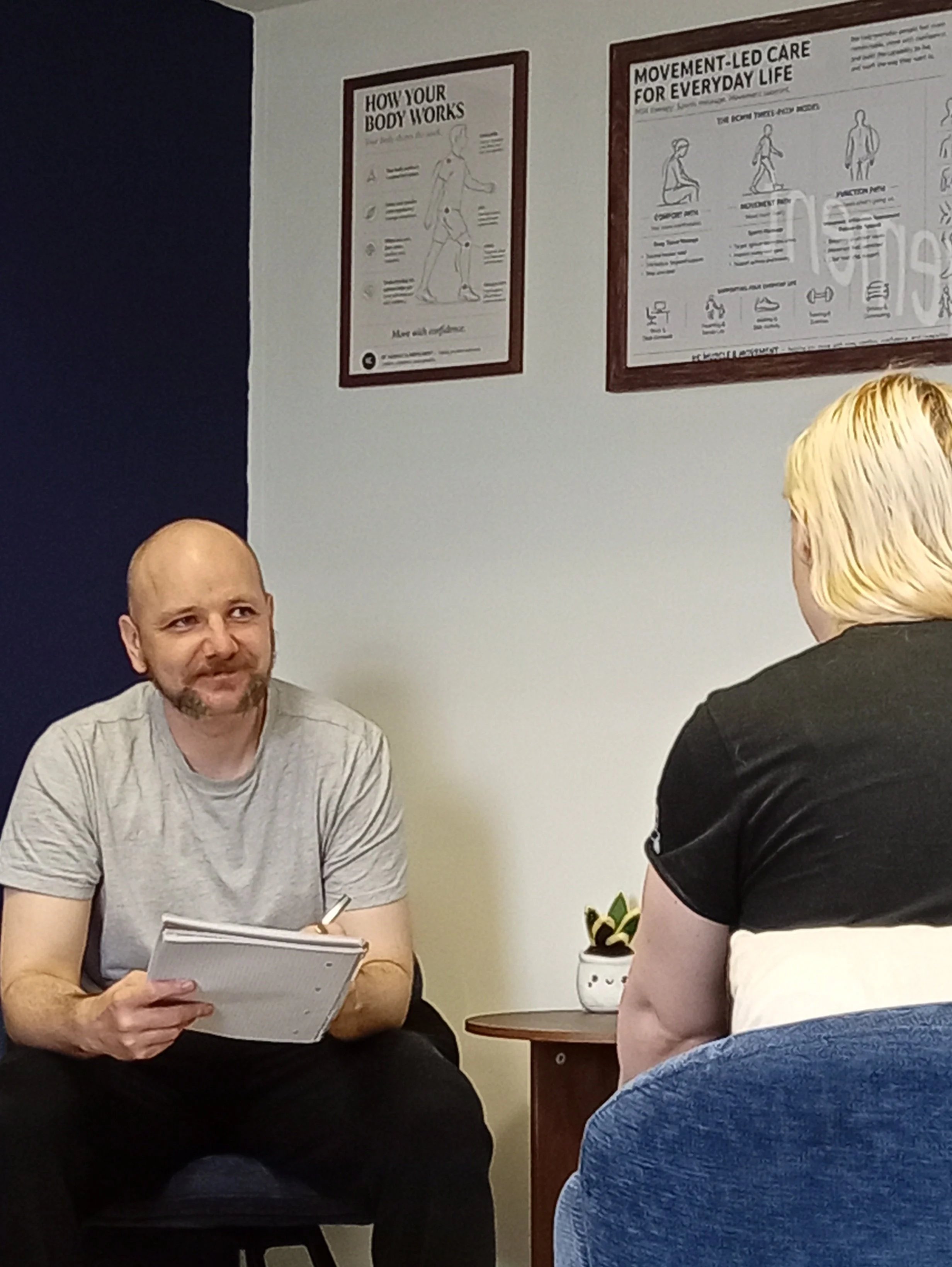
Every Session is a Conversation
tell us how you feel , what pressure works and what you hope to get out of a massage treatment
Why Does Massage Feel Different From One Session To Another?
Your response can vary.
The same pressure may feel comfortable one week and too much the next.
An area that felt highly sensitive previously may feel less noticeable during another session.
Factors that may influence the experience include:
recent activity
existing soreness
fatigue
sleep
illness
medication
stress
previous treatment
expectations
the area being worked on
the style and duration of the session
This does not mean that every response can be predicted or explained.
It means massage is an interaction rather than a standard input with one standard result.
Contextual and individual factors are recognised as important influences on manual-therapy responses. (PLOS)
Massage Is Not The Same As Treating Stress
Massage may feel relaxing during a demanding period.
That does not mean it treats the cause of stress or replaces appropriate support.
A session cannot remove:
workload
financial pressure
caring responsibilities
poor working conditions
an underlying health issue
sustained sleep disruption
psychological distress
It may provide a period of comfort or rest within that wider situation.
Our article on soft-tissue therapy for everyday tension looks at how work, routine, sleep and general life demand may contribute to a whole-body feeling of tension. That article owns the everyday-load question; this one explains the treatment response.
What Massage Cannot Promise
Massage cannot reliably promise to:
permanently relax the nervous system
resolve chronic stress
remove all muscle tension
correct posture
prevent injury
flush toxins
eliminate lactic acid
break down every area of scar tissue
permanently lengthen muscles
improve sleep for everyone
cure pain
replace medical assessment
make the body ready for demanding exercise
Massage research contains many positive findings, but the certainty is frequently low, results vary by condition and effects may be short term. (JAMA Network)
Clear limits do not make massage pointless.
They help give it an honest role.
Where Massage May Fit
Massage may suit someone who values:
hands-on support
a period of physical comfort
targeted attention to an overworked area
a slower session after a demanding week
temporary relief from tension or soreness
an area feeling easier to move
time to step away from normal demands
The reason for booking should guide the service.
Deep Tissue Massage
Choose the Comfort Path when your body feels generally tense, physically overloaded or in need of a slower, broader session.
RCMM’s Deep Tissue Massage uses pressure adapted to the person rather than unnecessary intensity.
Sports Massage
Choose the Movement Path when one specific area feels tight, worked or harder to move comfortably.
RCMM’s Sports Massage is targeted and movement-focused. Its aim is purposeful support rather than maximum pressure.
Movement & Function Assessment
Choose the Function Path when something repeatedly returns, several areas seem connected or you want a clearer understanding of what may be contributing. RCMM Movement & Function Assessment involves subjective and objective assessment of your issue and will give you a plan of action or next steps.
A general explanation about the nervous system cannot tell you why your individual issue is happening.
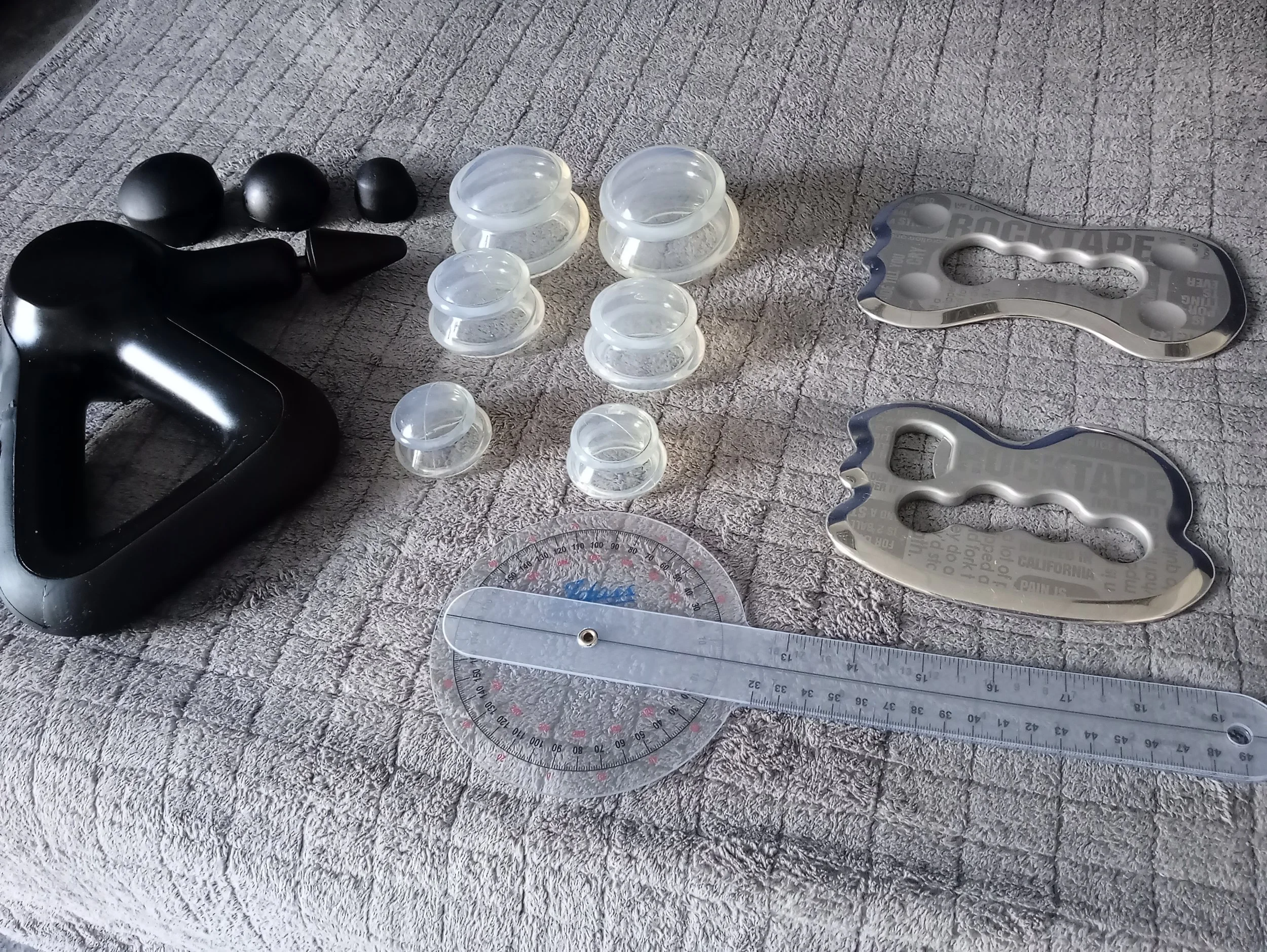
The Bottom Line
Massage is not only a mechanical treatment applied to muscle.
It is a sensory experience involving touch, pressure, the nervous system, the individual and the treatment setting.
That experience may influence:
relaxation
comfort
pain perception
how noticeable an area feels
how confident or comfortable movement feels
Research suggests massage may influence short-term physiological relaxation and several nervous-system-related responses. It does not support claiming that massage reliably resets the nervous system or produces one predictable effect in everyone. (PLOS)
A more honest explanation is also more useful:
Massage may help you feel better because the experience changes the information your nervous system is receiving and how your body responds to it—not because a therapist has mechanically fixed everything beneath the skin.
FAQs
Why does massage feel good?
Massage provides touch and pressure within a setting that may also allow someone to rest. The sensory input and wider context may influence relaxation, comfort and pain perception. The response differs between people.
Does massage calm the nervous system?
Massage may influence autonomic activity and help some people feel more relaxed. Research findings are inconsistent, however, and massage should not be described as permanently resetting or switching off the nervous system. (PLOS)
Does massage activate the parasympathetic nervous system?
Some studies have reported changes in HRV measures associated with parasympathetic activity. Reviews across manual therapies have found inconsistent results, so the size and clinical importance of the effect remain uncertain. (PLOS)
Does massage release tight muscles?
Massage may change how tight or sensitive an area feels. That does not necessarily mean a muscle has been physically released, permanently lengthened or structurally corrected.
Does massage break down knots?
The evidence does not support treating “knots” as simple lumps that must be physically crushed or broken apart. Massage may change tenderness, comfort and perception without requiring that mechanical explanation.
Does deeper pressure work better?
Not automatically. Pressure should be manageable and suited to the person and the goal of the session. More pain does not prove a stronger or more useful response.
Why do I sometimes feel lighter after massage?
The original area may feel less prominent, movement may feel easier and the session may provide a period of rest and reduced sensory demand. “Lighter” is a personal description rather than evidence that something has physically been removed.
How long do the effects of massage last?
There is no universal timeframe. The response depends on the individual, reason for booking, treatment and what the body returns to afterwards. Read Why Does Tightness Come Back After Massage?for the separate question of recurring tension.
Can massage help with stress?
Massage may provide temporary relaxation or comfort during a stressful period. It does not remove the source of stress or replace appropriate medical or psychological care.
Why do different people respond differently to massage?
The response is influenced by current sensitivity, preferences, previous experiences, expectations, treatment style and the wider context. The same technique does not create one standard response in everyone. (PLOS)
Can massage help pain?
Some reviews report beneficial associations for certain painful conditions, but the overall evidence varies and is often low certainty. Massage should not be presented as a guaranteed treatment for pain. (JAMA Network)
What should I book at RCMM?
Deep Tissue Massage suits broader comfort and general tension. Sports Massage suits one targeted area. Movement & Function Assessment is usually the better starting point when the issue is recurring, connected or unclear.
Source Base Used
Roura S, Álvarez G, Solà I, Cerritelli F. Do manual therapies have a specific autonomic effect? An overview of systematic reviews. PLOS ONE. 2021.
Used to support the cautious conclusion that manual therapies may affect autonomic activity, but findings are inconsistent and their clinical importance remains uncertain. (PLOS)
Meier M, Unternaehrer E, Dimitroff SJ, et al. Standardized massage interventions as protocols for the induction of psychophysiological relaxation in the laboratory: a block randomized controlled trial. Scientific Reports. 2020.
Used for the comparison between massage and quiet rest, changes in subjective relaxation and stress, and changes in high-frequency heart-rate variability. (Nature)
Keter DL, Rhon DI, Snodgrass SJ, et al. The mechanisms of manual therapy: a living review of systematic, narrative and scoping reviews. PLOS ONE. 2025.
Used for the multisystem explanation of manual therapy, stronger support for neurological than lasting biomechanical mechanisms, the importance of context and the limited quality of several hormone and neurotransmitter claims. (PLOS)
Mak S, Allen J, Begashaw M, et al. Use of Massage Therapy for Pain, 2018–2023: A Systematic Review. JAMA Network Open. 2024.
Used to describe the overall certainty of massage evidence for painful adult health conditions and the scarcity of high-certainty conclusions. (JAMA Network)
National Center for Complementary and Integrative Health. Massage Therapy: What You Need to Know.
Used for the public evidence overview, the generally short-term nature of several reported benefits, the uncertainty of the evidence and massage safety considerations. (NCCIH)