
Back Pain Support in East Kilbride
Movement-focused support for recurring back tightness, stiffness and everyday movement discomfort.
Back pain is common — and usually not serious
Back discomfort is one of the most common reasons people visit RC Muscle & Movement.
For many people, it is not one dramatic injury.
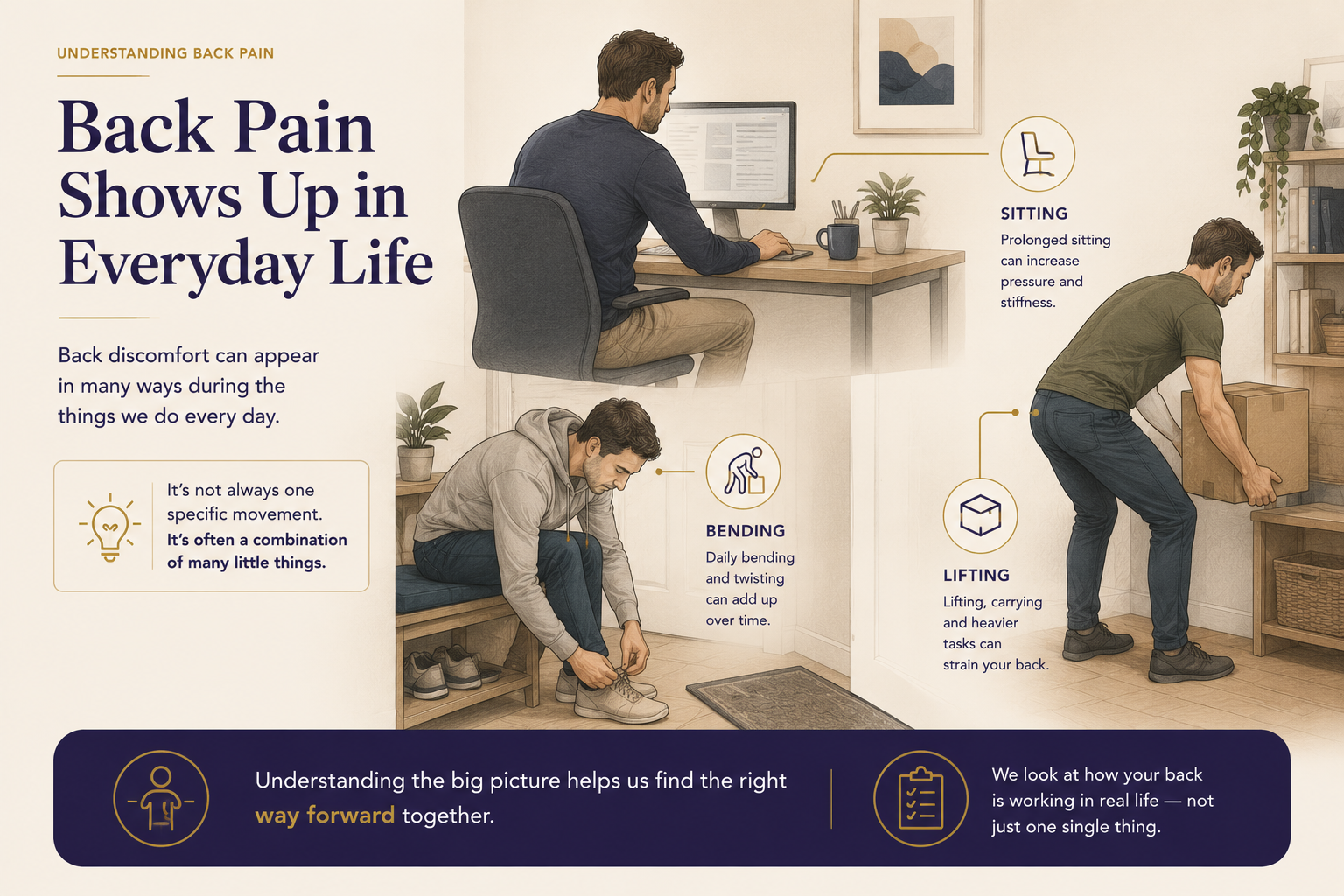
It is:
stiffness that builds through the week
tightness after sitting
movement feeling heavier or less comfortable
bending or lifting feeling less confident
the same area constantly tightening up
the lower back feeling overworked or irritated
Sometimes the issue builds gradually over time rather than starting with one obvious moment.
At RC Muscle & Movement in East Kilbride, we help people better understand what may be contributing to recurring back tightness and movement discomfort through movement-focused support, hands-on treatment and practical guidance.
The aim is not to overcomplicate things.
It is to help movement feel more comfortable, more manageable and easier to trust again.
Why Back Tightness And Stiffness Often Build Up
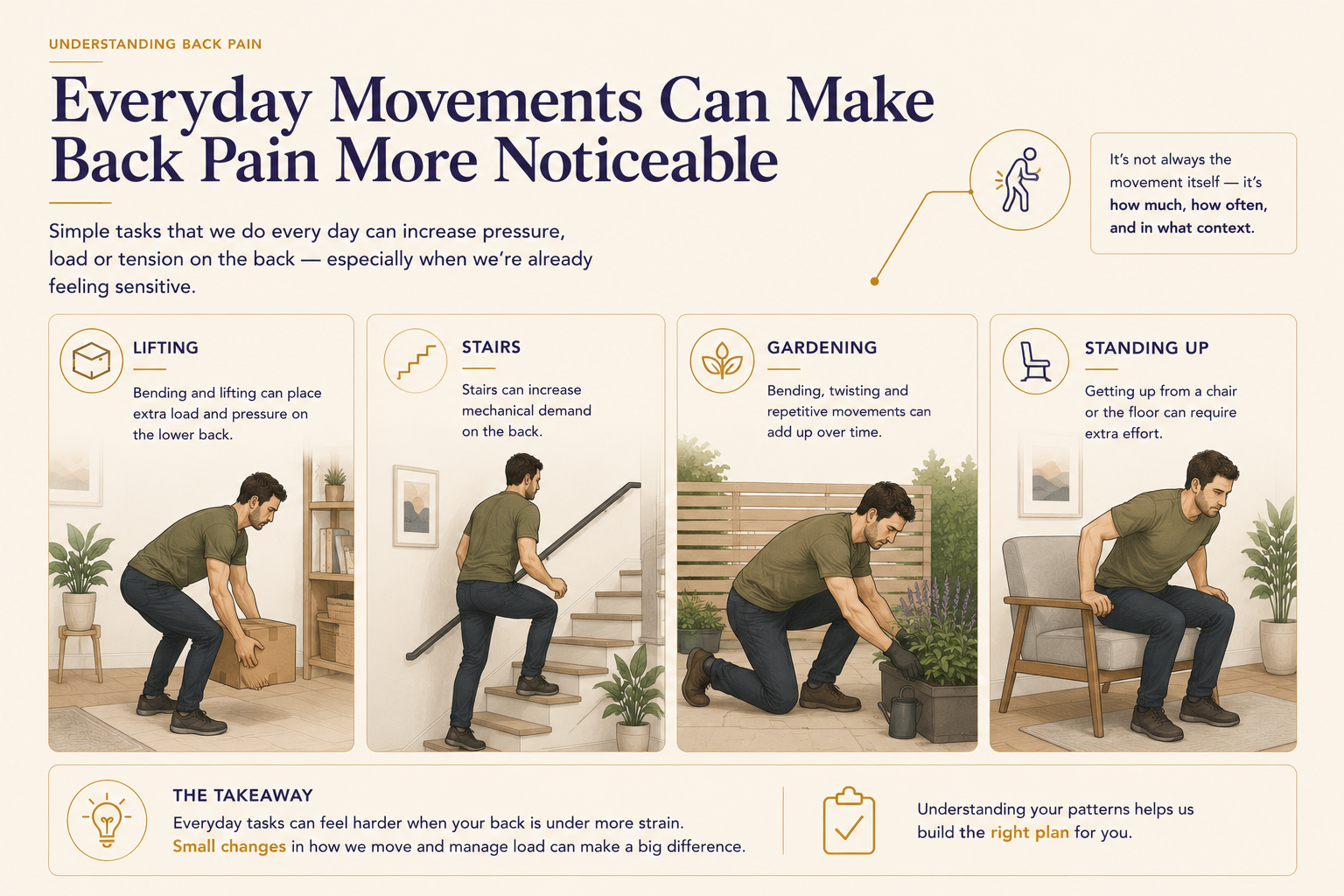
Your back is constantly involved in everyday movement.
Work, sitting, lifting, driving, stress, training, recovery and daily routines all influence how your back feels.
Over time, certain areas may gradually begin doing more work than they need to.
That can lead to:
recurring lower back tightness
stiffness after sitting
discomfort bending or lifting
tension building through the day
movement feeling less smooth or less confident
the same muscles constantly tightening up
Often, the back is reacting to the bigger movement picture rather than acting completely on its own.
That is why RCMM looks beyond the painful or tight area itself.
How Movement Can Influence Back Discomfort
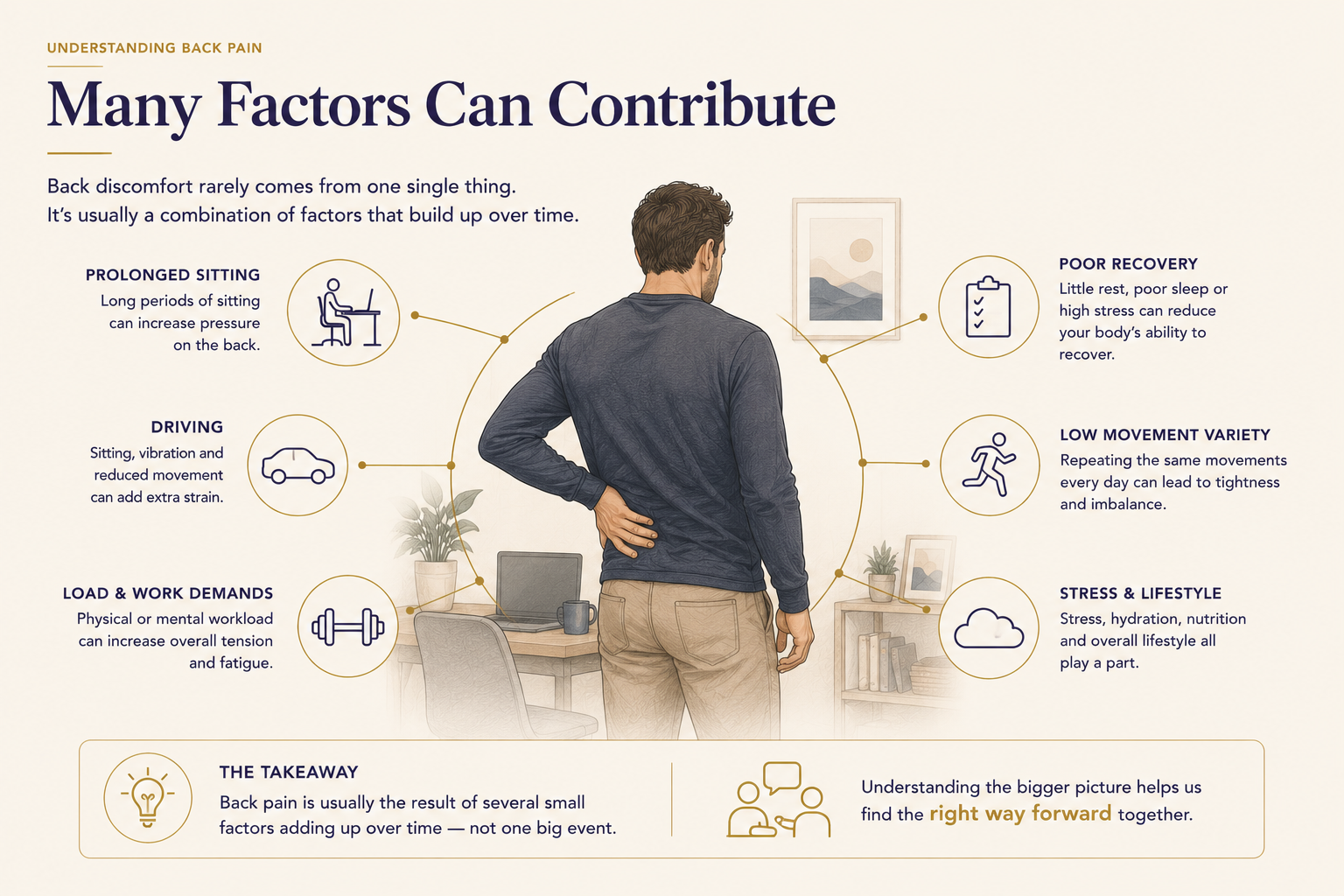
Back discomfort is not always just about the back itself.
Sometimes movement becomes less comfortable because:
hips become restricted
one side works harder than the other
movement variety reduces
certain muscles stay constantly switched on
workload increases faster than recovery
stress and fatigue build physically over time
Long periods sitting, physically demanding jobs, repetitive lifting or changes in routine can all influence how the body shares load.
For many people, the issue is less about damage and more about certain areas gradually becoming overloaded.
This is why recurring tightness often comes and goes depending on:
workload
stress
recovery
movement levels
training
sleep
everyday life demands
Common Things People Notice
People often visit RCMM because they notice:
stiffness after sitting or driving
lower back tightness that keeps returning
discomfort bending forward
tension during lifting or carrying
one side feeling tighter than the other
movement feeling restricted or guarded
physically demanding work leaving the back feeling overloaded
training becoming less comfortable than usual
recurring flare-ups during busy periods
Sometimes the issue feels localised.
Sometimes the whole body simply feels tighter and less comfortable moving overall.
If your symptoms feel more connected to the hips, glutes or legs, you may also find our pages on Hip Pain, Hamstring Tightness or Sciatica-Type Symptoms useful.
How RC Muscle & Movement Can Help
RC Muscle & Movement is a movement-first sports therapy and massage clinic in East Kilbride.
Depending on what feels most useful, support may include:
movement-focused assessment
sports massage
deep tissue massage
hands-on support
practical movement guidance
strength-informed support where appropriate
clear explanation in everyday language
The focus stays on:
reducing unnecessary tension
improving movement comfort
helping the body feel less overloaded
supporting confidence in everyday movement
understanding what may be contributing
Everything is adapted to the individual rather than forcing people into rigid systems or long programmes.
What A Session May Include
Sessions are calm, practical and collaborative.
Depending on what feels useful, sessions may include:
discussing what you’ve been noticing
looking at how your body is moving overall
identifying areas that may be working harder than they need to
hands-on treatment where appropriate
practical next steps that fit around real life
simple movement or strength guidance where helpful
The aim is not to overwhelm you with information.
It is to help things feel clearer and more manageable.
Why Strength And Movement Confidence Matter
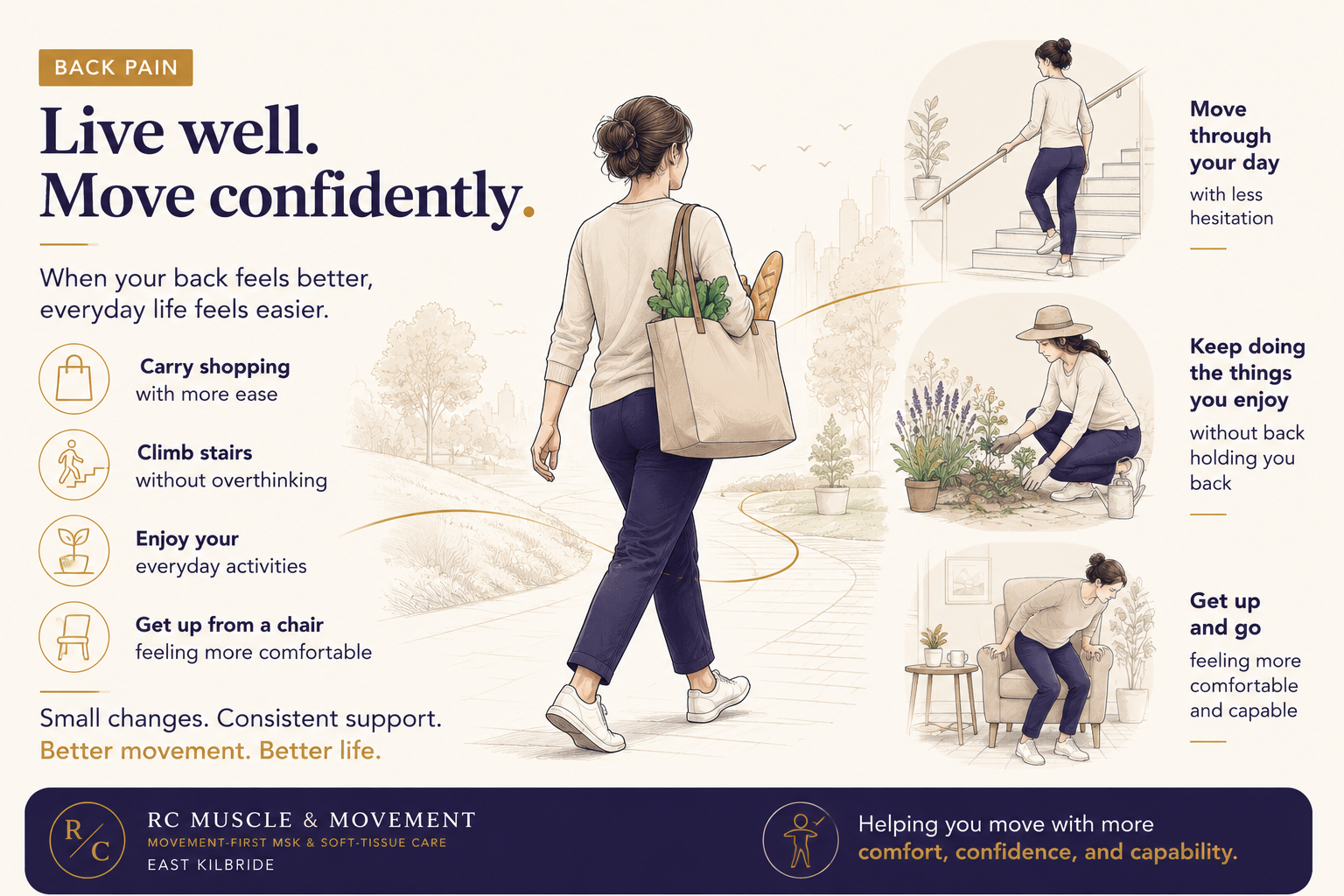
Back discomfort often changes how people move.
Over time, people may:
avoid bending
feel less confident lifting
move more cautiously
feel physically less capable
worry about certain movements
At RCMM, movement confidence matters just as much as reducing tension.
Strength-informed support may be used where helpful to improve:
movement confidence
everyday capability
tolerance to physical demand
comfort during normal daily movement
Not as performance culture.
Not as pressure.
Simply as one part of helping the body feel more adaptable and capable over time.
Which Appointment Should You Choose?
Choose Movement & Function Assessment if:
the issue keeps returning
movement feels “off”
you are unsure what’s contributing
stiffness keeps building up
previous approaches only helped temporarily
you want clearer understanding of the bigger picture
This is usually the best starting point for recurring or unclear back issues.
If back tightness or stiffness keeps returning, the Movement & Function Assessment is usually the clearest place to start.
Choose Sports Massage if:
one specific area feels tight or overloaded
you want focused hands-on support
tension is linked to work, training or movement
Choose Deep Tissue Massage if:
tension feels more generalised
your whole body feels physically overloaded
you want a slower full-body session
Everyday Back Tightness And Workload
Many people notice their back feels worse during:
stressful weeks
long sitting days
increased workload
commuting
poor sleep
physically demanding periods
changes in training or routine
That does not automatically mean something serious has happened.
Often, it reflects how the body is coping with overall demand at that moment in time.
This is one reason why recurring back tightness often improves, then returns again later when life becomes busier.
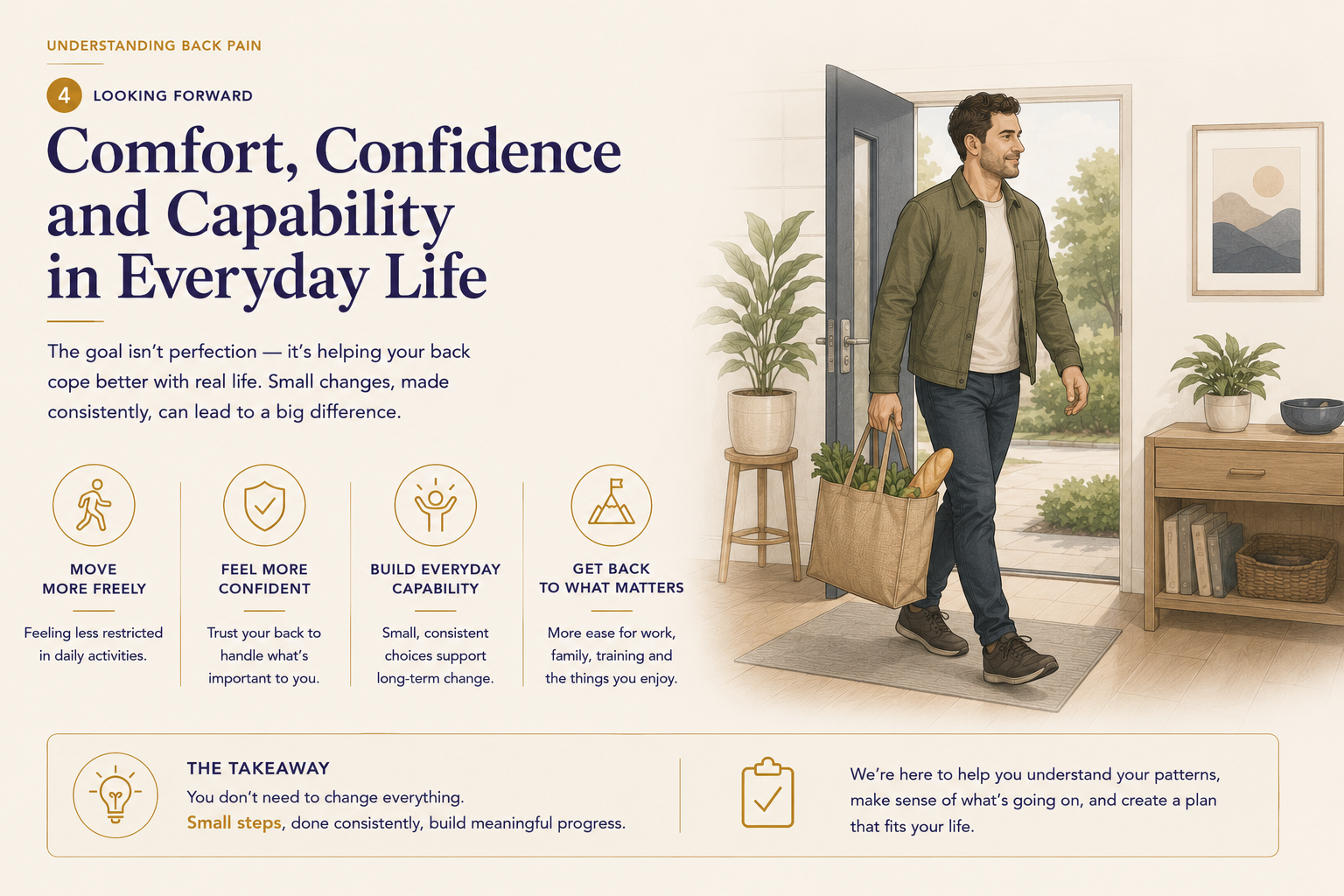
Local Back Pain Support In East Kilbride
RC Muscle & Movement supports people across East Kilbride, Glasgow, Hamilton and surrounding Lanarkshire dealing with recurring back tightness, stiffness and movement discomfort.
People often visit because they want:
practical support
clearer understanding
sports massage
movement-focused assessment
hands-on treatment
help managing recurring tightness and overload
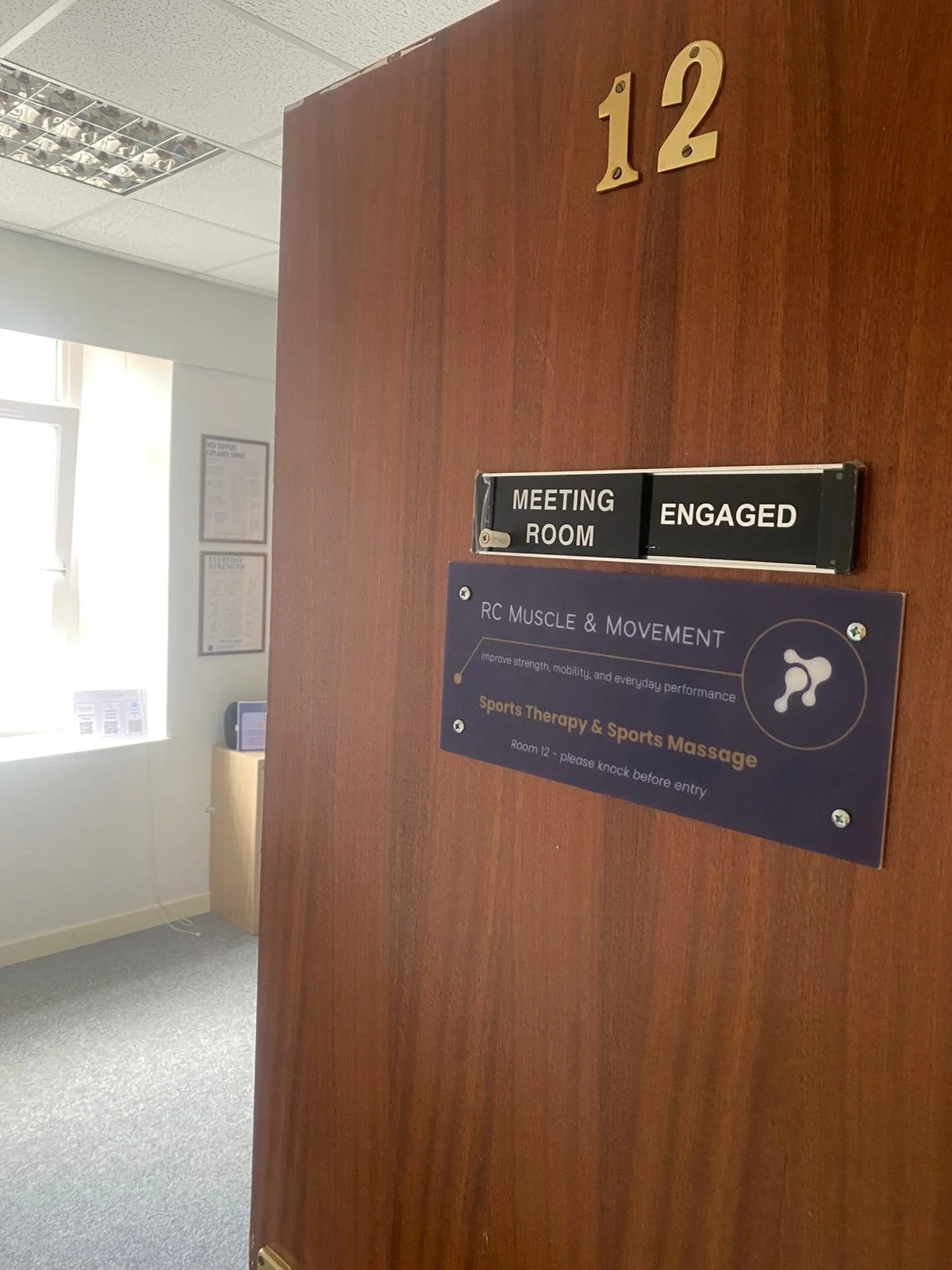
The clinic is based in Oakfield House in East Kilbride and provides calm, one-to-one movement-focused support without an intimidating or overly clinical environment. We take a movement first approach through our sports therapy lens , learn more on our movement led msk page
Related Support
Frequently Asked Questions
-
No.
Many people visit because of recurring tightness, stiffness or movement discomfort rather than severe pain.
-
Yes.
Long periods sitting can influence how muscles, joints and movement patterns behave over time.
-
Often, yes.
Targeted hands-on work may help reduce muscular tension and improve movement comfort where appropriate.
-
The Movement & Function Assessment is usually the best starting point when the issue feels recurring or unclear.
-
No.
Many people visit because work, stress, sitting or everyday life is affecting how their body feels.
-
Yes.
Stress and fatigue can influence muscular tension, recovery and how physically overloaded the body feels.
Recommended First Appointment
If back tightness, stiffness or movement discomfort keeps returning and you are unsure why, the Movement & Function Assessment is usually the best place to start.
It helps build a clearer picture of what may be contributing and what support may help most.