
Shoulder Pain Support in East Kilbride
Helping you reach, lift and use your arm with more comfort and confidence.
Shoulder pain can make simple arm movements feel far more deliberate than they used to.
You might notice it reaching overhead, reaching behind you, lifting, carrying or moving the arm through certain positions. It can also start changing how you press, pull or train your upper body.
There may have been one obvious moment when it started, or the shoulder may simply have become harder to ignore over time.
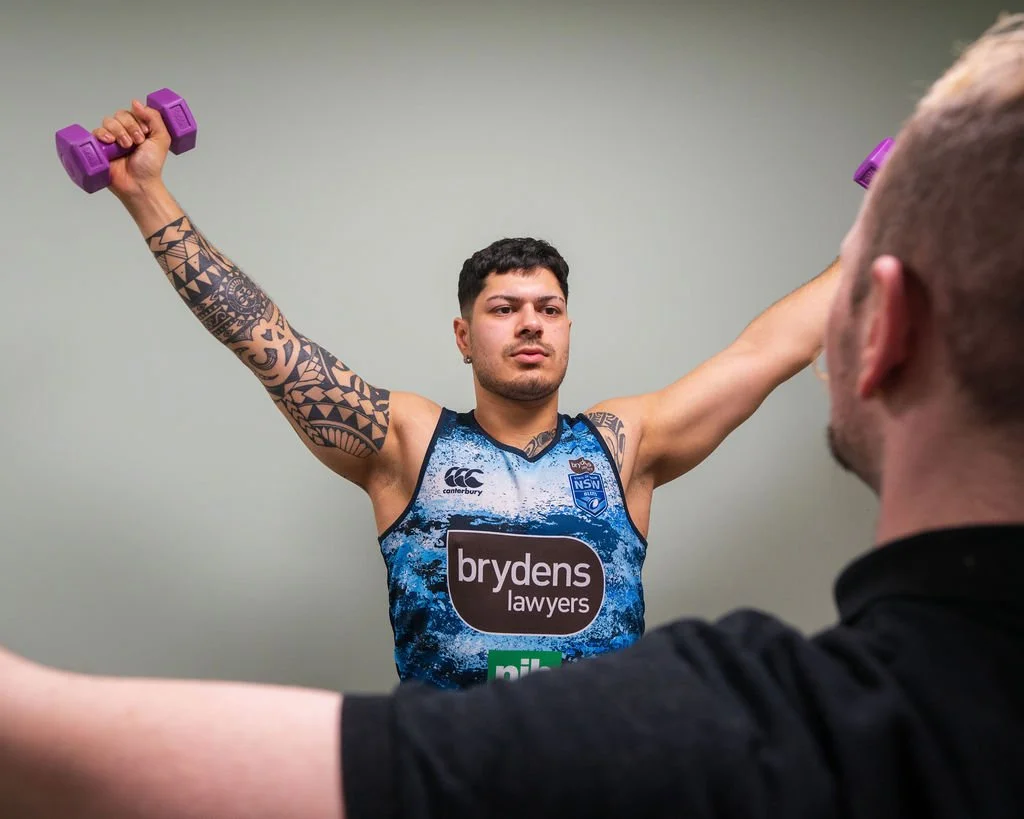
Ross at RC Muscle & Movement can help you look at what’s happening and work towards using your shoulder more confidently again.
What you might notice
Shoulder aches & pain can show up in different ways. You might notice:
reaching overhead feels uncomfortable or restricted
reaching behind you has become awkward
lifting or carrying makes the shoulder more noticeable
certain angles feel fine while others don’t
pressing, pulling or overhead training has started to change
you’re still using the arm, but you’ve begun keeping it closer to your body or avoiding particular movements
It doesn’t always have to be severe pain. Sometimes your shoulder simply feels stiff, niggly, tight or harder to trust than usual.
What better might look like
Better doesn’t just mean “less pain.”
It might mean being able to:
Better might mean being able to:
reach overhead without having to plan around the shoulder
reach behind you more naturally
lift and carry with greater confidence
move the arm through more of its usual range
press, pull or train without constantly checking how the shoulder feels
trust the arm rather than automatically protecting it
What better looks like will be different for everyone.
The important part is getting back to using your back for the things that matter to you, with less thought going into every movement.
How RCMM can help
Ross starts with how the shoulder behaves when you actually use it.
He’ll listen to which movements feel different, what you can still do comfortably and where you’ve started holding back or changing things.
From there, he can help you understand the problem better and work towards using the shoulder with more confidence.
All appointments are with Ross Canning, Sports Therapist at RC Muscle & Movement in East Kilbride.
What support might involve
There isn’t one set process that every sore shoulder needs, and you may not need every part.
Look at which movements bring symptoms on, what still feels comfortable and what you’ve started avoiding.
1. Make sense of it
That might include hands-on treatment, temporarily changing certain movements or finding ways to keep using the arm comfortably.
2. Find what helps
Use suitable movement, loading or exercise to work towards reaching, carrying, pressing, pulling or lifting.
3. Build back what you need
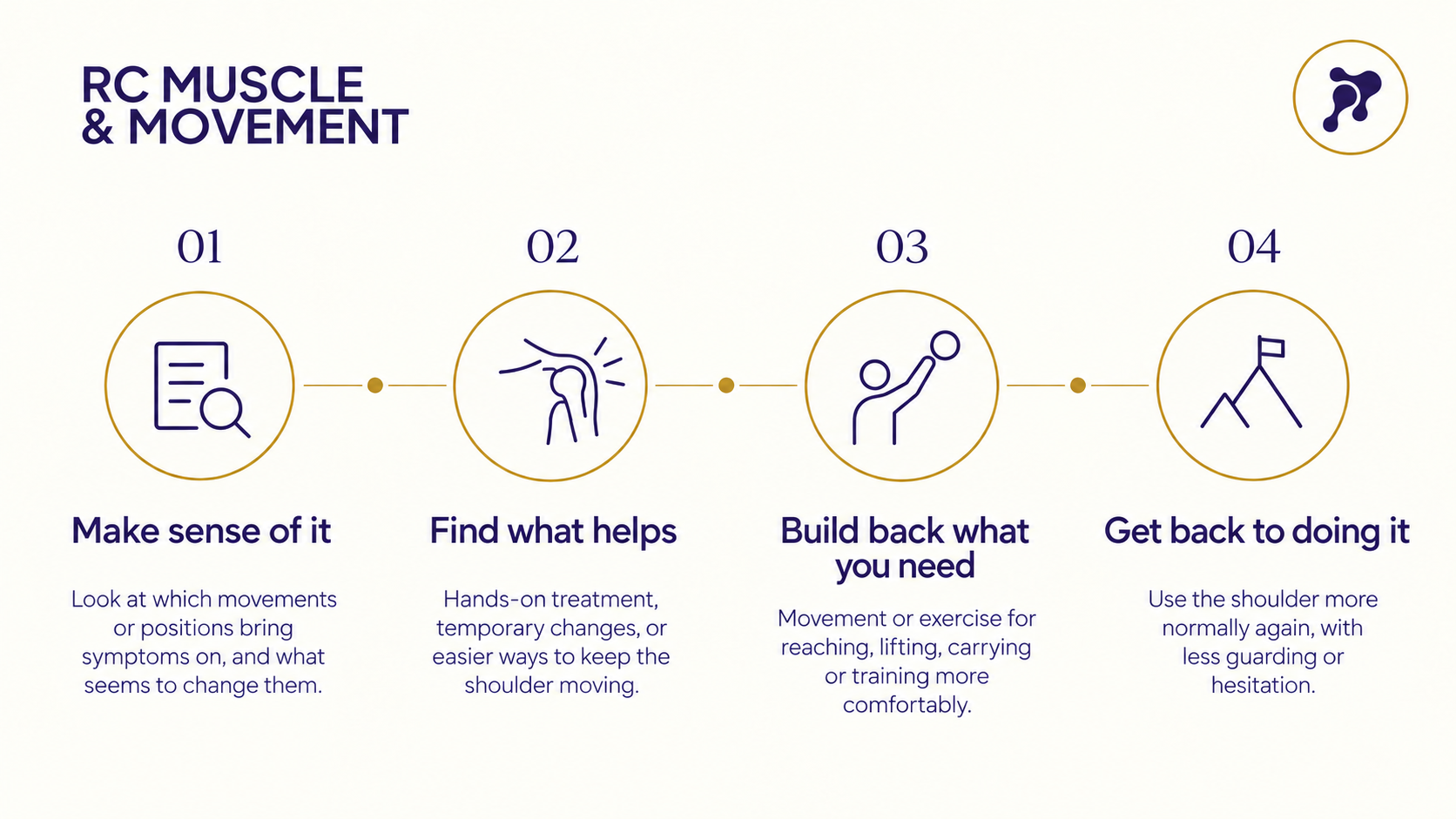
Build towards using the shoulder normally again rather than constantly protecting or checking it.
4. Get back to doing it
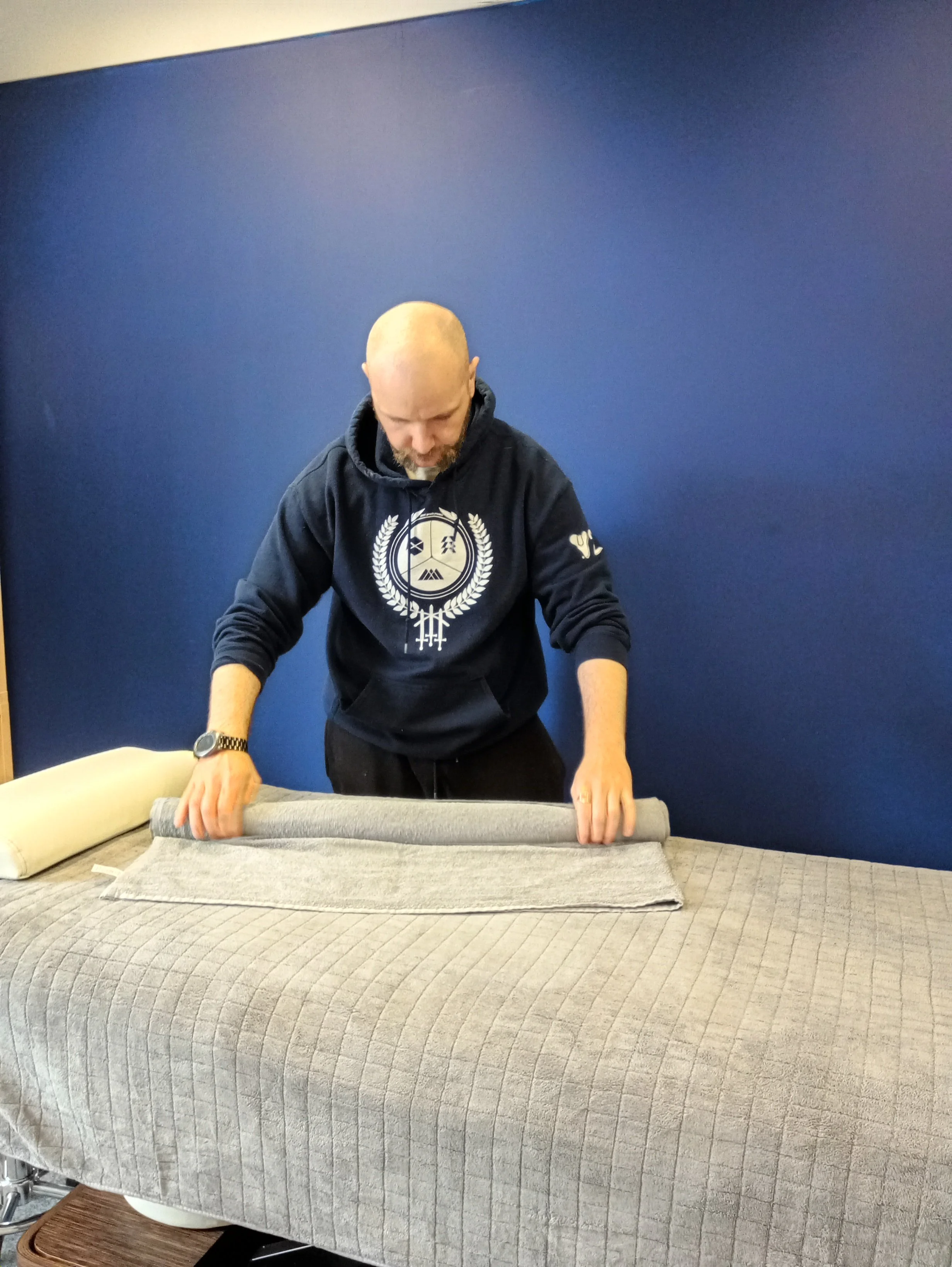
What happens in clinic
Ross will start by talking through which shoulder movements feel different and what you want to get back to.
With a Movement & Function Assessment, he may look at relevant reaching, lifting or upper-body movements.
If you’ve booked massage, the session can stay focused on hands-on treatment and the muscular areas you want Ross to work on.
Ross will explain what he’s finding and give you a clearer idea of what makes sense next.
Which appointment fits?
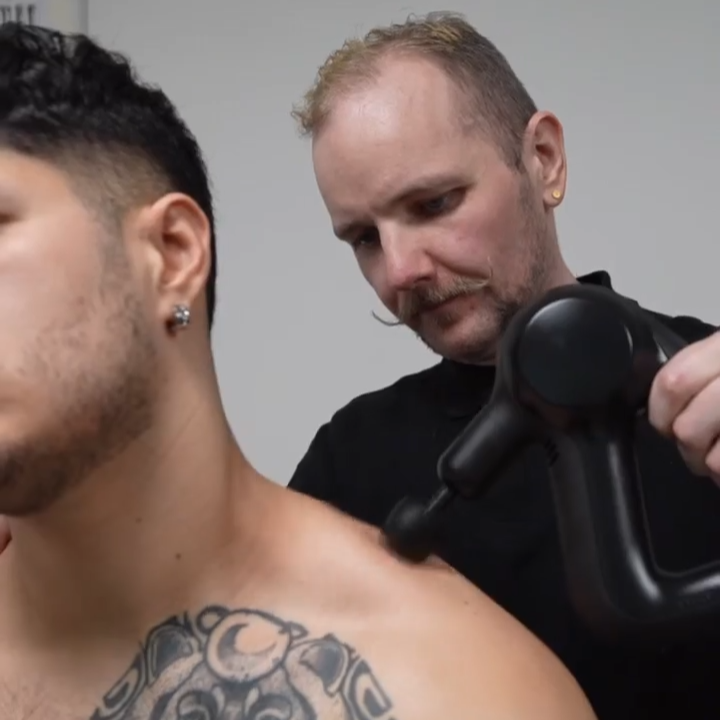
Sports Massage
If the shoulder and surrounding muscles feel sore, tight or worked over and you mainly want focused hands-on treatment, Sports Massage may be enough.
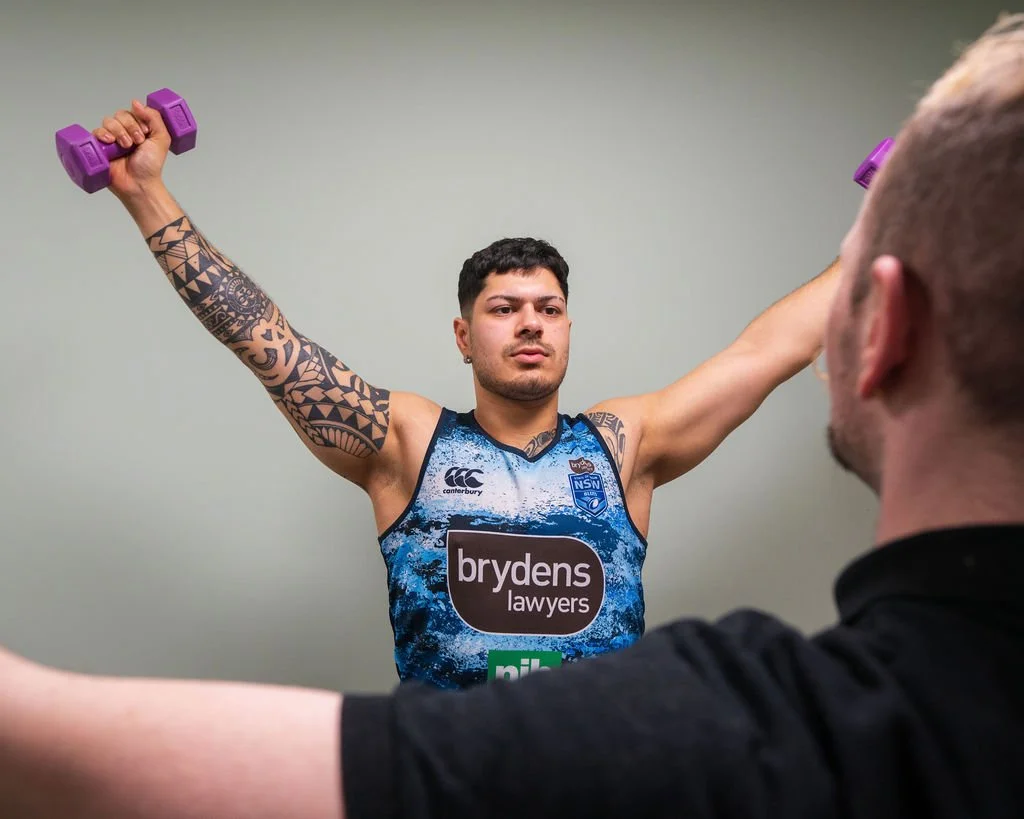
Movement & Function Assessment
If shoulder pain keeps returning, movement feels restricted or you’re changing how you lift, reach or train, this gives Ross more time to look at what’s happening.
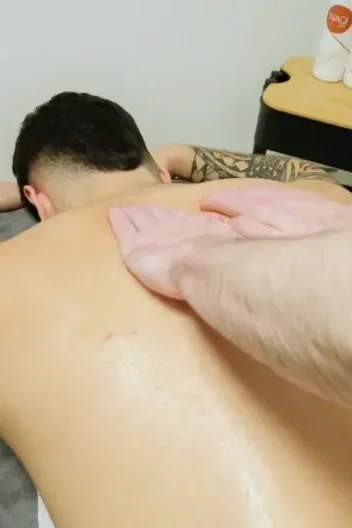
Deep Tissue Massage
If the main goal is broader muscular comfort through the shoulders and upper body rather than assessing a particular shoulder problem, Deep Tissue Massage may fit better.
Other routes
Some shoulder problems need medical assessment rather than Sports Therapy or massage.
If the shoulder has changed shape, pain followed a significant injury, you cannot move the arm normally, or symptoms include persistent weakness or altered sensation, another route may be more appropriate.
Related education
Shoulder pain FAQs
-
A sore shoulder doesn’t automatically mean all training has to stop.
Sometimes you can continue with movements that feel comfortable while temporarily changing those that clearly increase symptoms.
-
That can still be useful information.
If the same movement repeatedly brings symptoms on or has started changing how you use the arm, an assessment can look at that specific movement.
-
Yes, if your main goal is hands-on treatment for muscular soreness and you can otherwise use the shoulder normally.
If movement itself has become difficult or unclear, an assessment may make more sense.
Ready to feel more confident using your shoulder?
If shoulder pain is changing how you reach, lift, carry or train, we’ll start with what you need your shoulder to do.