
Neck Pain Support in East Kilbride
Helping you turn, look and move your neck more comfortably again.
A sore or stiff neck can make small movements surprisingly difficult to ignore.
You might notice it turning your head, looking up or down, getting moving after holding one position for a while or using your arms during lifting and training.
Sometimes it appears suddenly. Sometimes the stiffness builds gradually. And sometimes your neck simply reaches the point where it doesn’t feel like it normally does.
Ross at RC Muscle & Movement can help you look at what’s happening and work towards moving your neck with more comfort and confidence.
What you might notice
Neck pain can show up in different ways. You might notice:
turning to one side feels stiffer than the other
looking over your shoulder is uncomfortable or restricted
looking up or down for a while makes your neck more noticeable
your neck feels stiff when you start moving after being in one position
upper-body movements or lifting start bringing your neck into the picture
you’ve started moving your shoulders or whole body instead of turning your head normally
Sometimes your neck simply feels stiff, irritated, tight or harder to trust than usual.
What better might look like
Better doesn’t just mean “less pain.”
It might mean being able to:
turn your head without bracing or moving your whole body with it
look up, down and over your shoulder more comfortably
move after sitting still without waiting for your neck to ease
use your arms without your neck becoming the focus
return to upper-body training without second-guessing your neck position
spend less time stretching, testing or protecting it
What better looks like will be different for everyone.
The important part is getting back to using your neck for the things you need and want to do, with less thought going into every movement.
How RCMM can help
Ross starts with the movements your neck is finding difficult rather than simply treating the place that feels sore.
He’ll listen to when you notice it, how movement has changed and what you’ve started adapting because of it.
From there, he can help you make sense of what you’re experiencing and find the level of support that fits.
All appointments are with Ross Canning, Sports Therapist at RC Muscle & Movement in East Kilbride.
What support might involve
There isn’t one set process that every sore neck needs, and you may not need every part.
Look at which movements or positions bring symptoms on and what seems to change them.
1. Make sense of it
That might include hands-on treatment, changing something temporarily or finding more comfortable ways to keep the neck moving
2. Find what helps
Use movement or exercise where appropriate to work towards turning, looking, reaching and lifting more comfortably.
3. Build back what you need
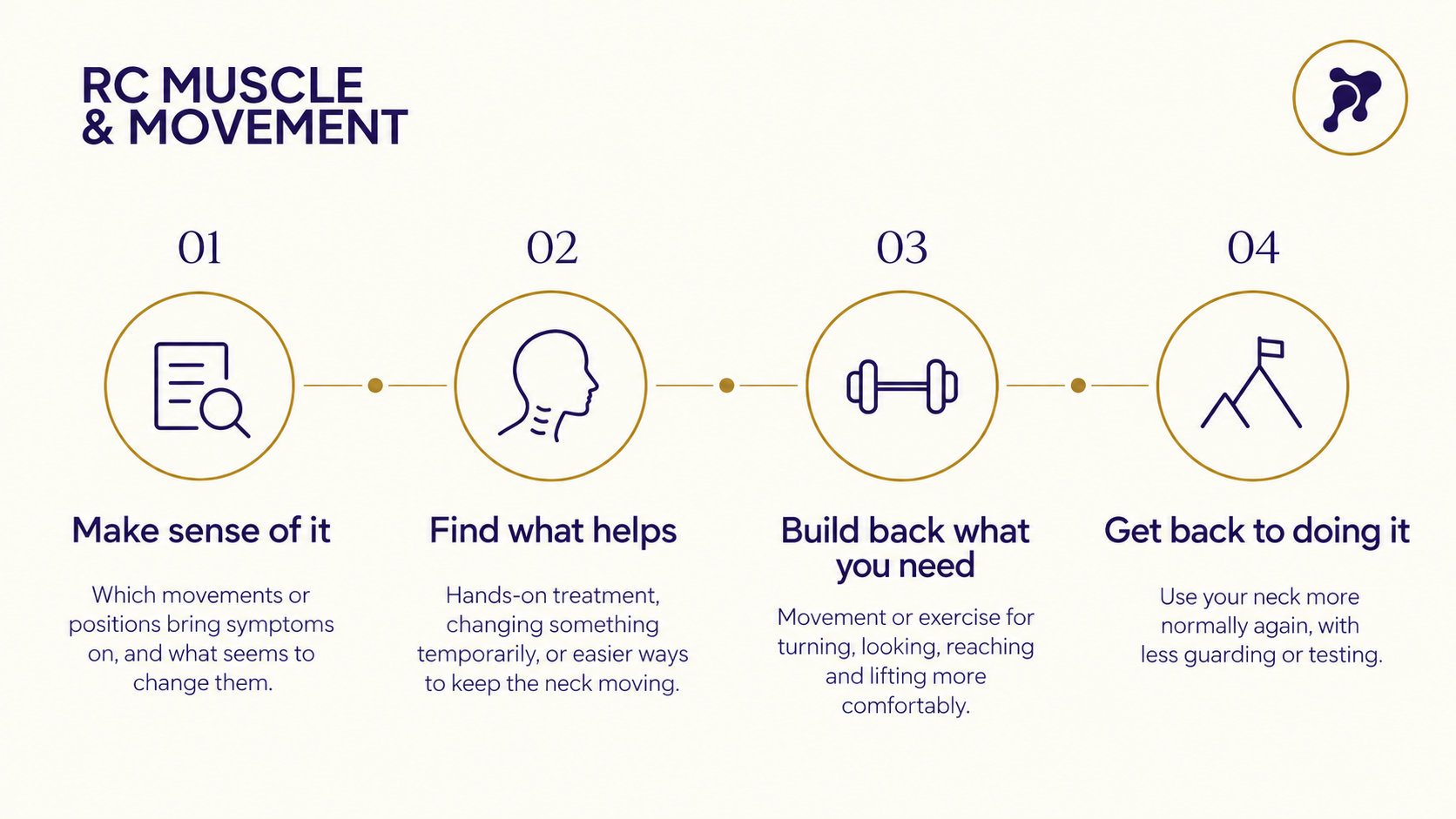
Build confidence using the neck normally again rather than constantly guarding or testing it.
4. Get back to doing it
What happens in clinic
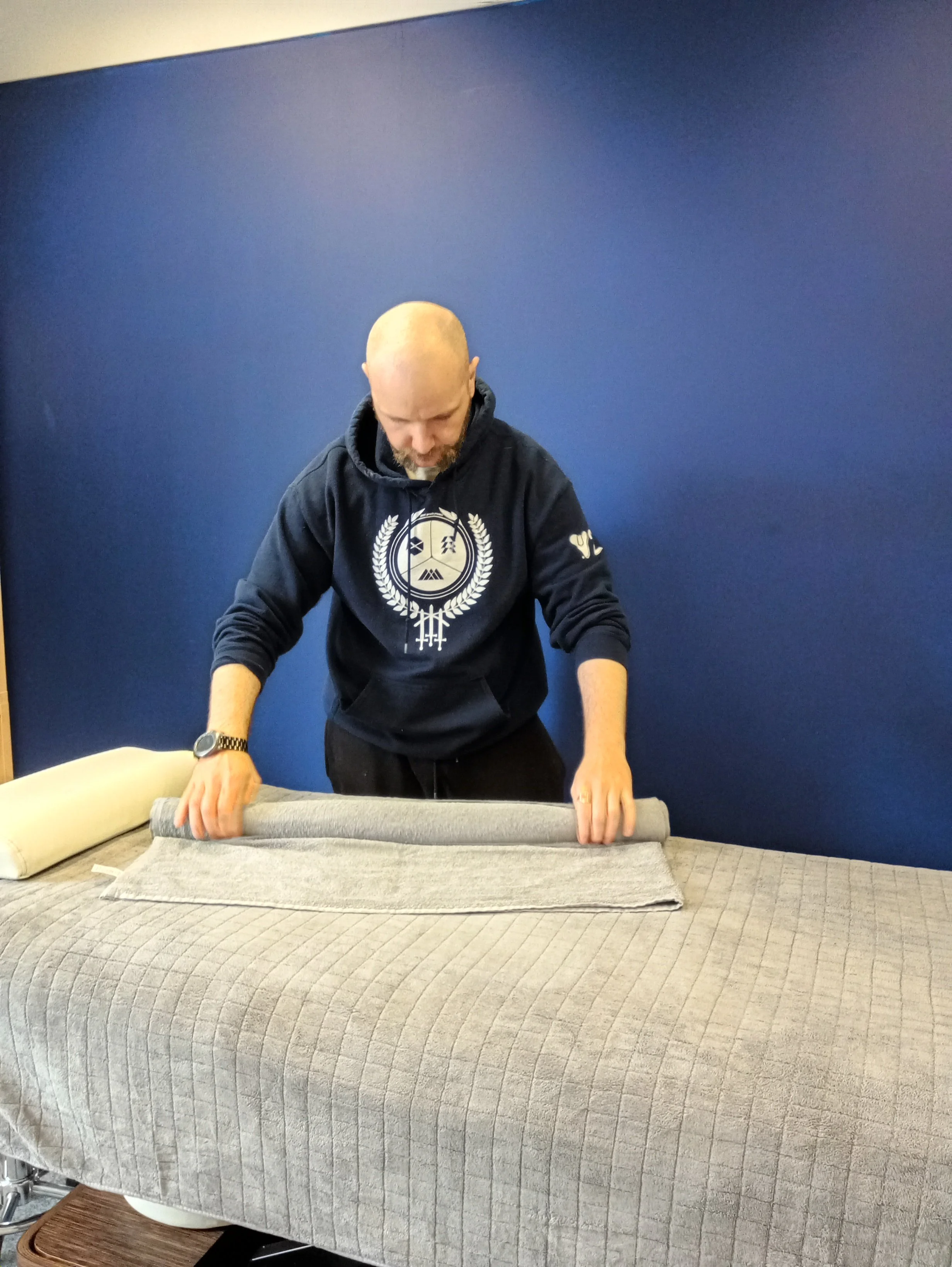
Ross will start by talking through how your neck feels and which movements have become difficult.
If you’ve booked a Movement & Function Assessment, he may look at neck and upper-body movements that are relevant to what you’re experiencing.
If you’ve booked massage, the focus can stay on hands-on treatment and the muscular areas you want worked on.
Ross will explain what he’s finding and what he thinks the sensible next step is.
Which appointment fits?
Sports Massage
If your neck and upper-back muscles feel sore, stiff or worked over and you mainly want focused hands-on treatment, Sports Massage may fit.
Movement & Function Assessment
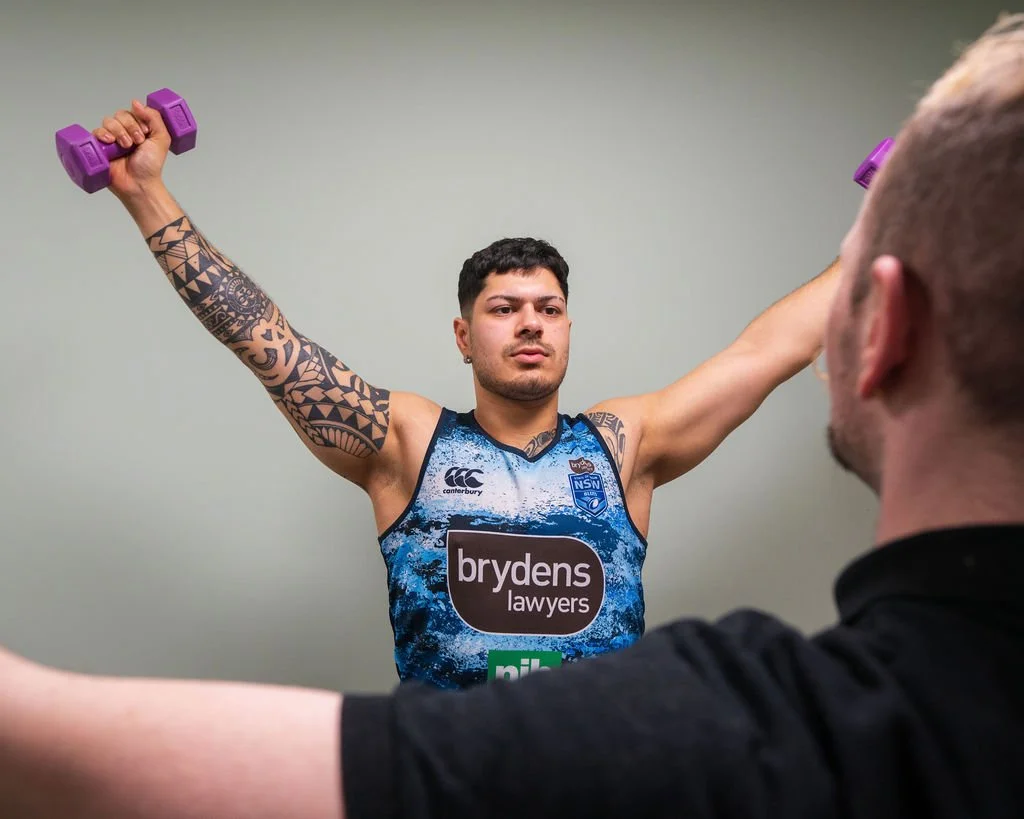
If neck pain keeps returning, movement feels restricted or you’re changing how you use your neck because of it, this gives Ross more time to look at what’s happening.
Deep Tissue Massage
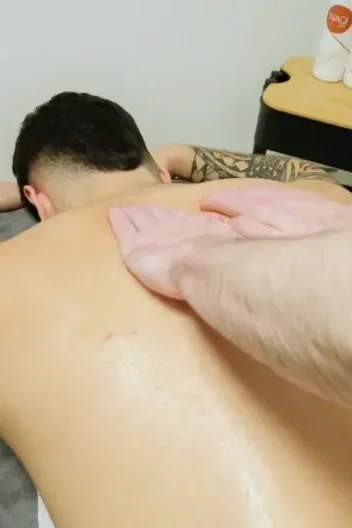
If what you want is massage for broader neck, shoulder or upper-body tension rather than an assessment, Deep Tissue Massage may suit you better.
Other routes
Some neck symptoms are better assessed through another healthcare route.
If pain followed a significant accident or injury, is worsening, or comes with persistent pins and needles, numbness, weakness or other unusual symptoms, another assessment may be more appropriate.
Related education
Neck pain FAQs
-
In many cases, a sore neck does not mean you have to avoid all movement.
What feels appropriate will depend on your symptoms and whether particular movements clearly make things worse.
-
If movement has become noticeably restricted or you’ve started changing how you move because of it, an assessment-led appointment may be the better starting point.
-
Yes.
If you’re not looking for an assessment and mainly want hands-on treatment for muscular tightness or soreness, massage may be enough.
Ready to get your neck moving more comfortably?
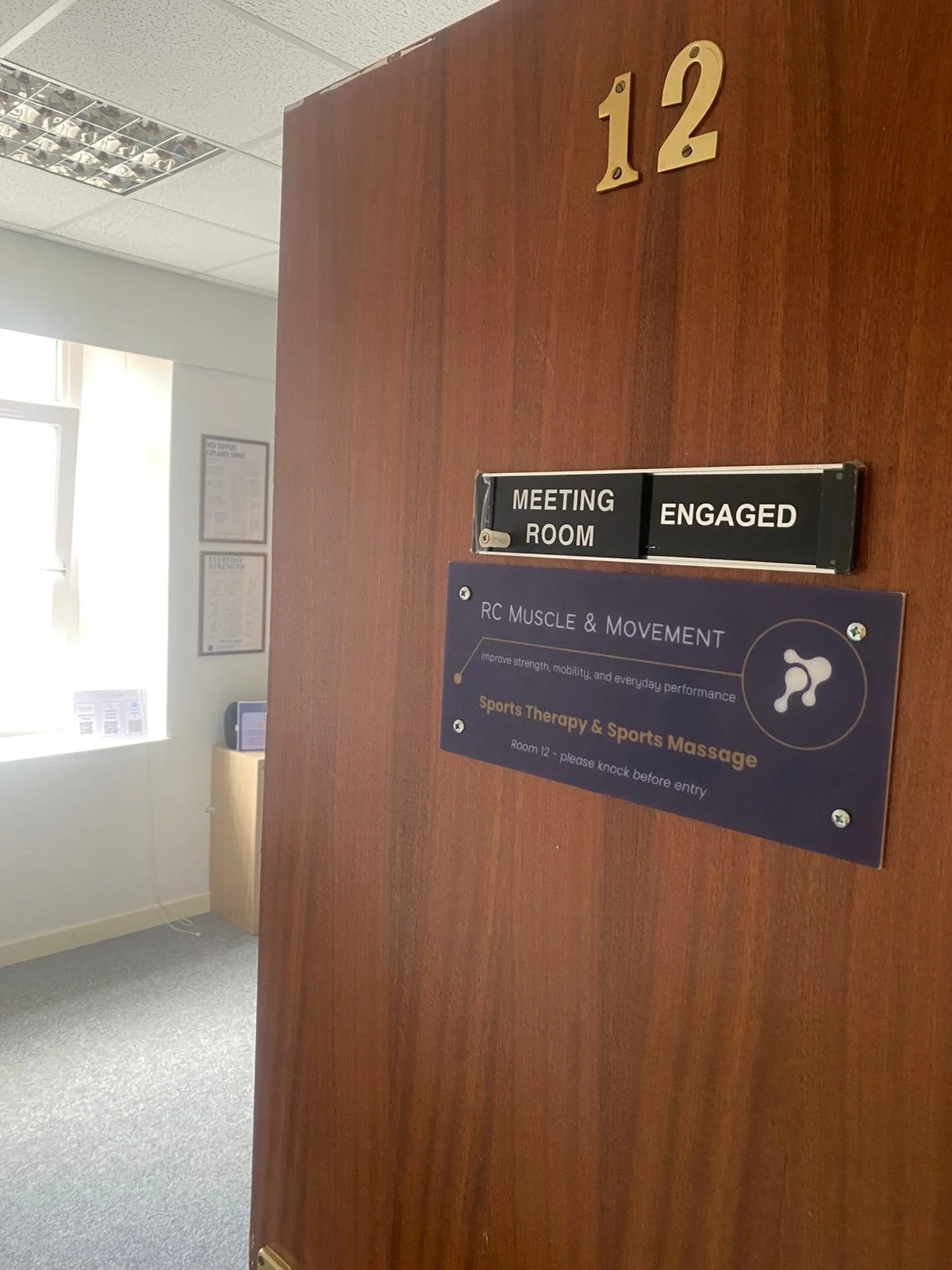
If neck pain is changing how you turn, look, lift or move, we’ll start with what you need your neck to do.