Gym, Training & Recreational Activity Support in East Kilbride

Practical one-to-one support for active adults when recurring tightness, soreness or an overworked area begins affecting gym sessions, planned exercise or recreational sport.

Support for People Who Want to Stay Active

Most people who exercise are not full-time athletes.

They fit activity around work, family, commuting and everything else that fills the week.

They may:

  • train at the gym

  • attend fitness classes

  • run or cycle

  • play golf

  • take part in football or another recreational sport

  • walk or hike

  • prepare for an event or challenge

  • return to exercise after time away

  • simply want to remain active as they get older

People often contact RC Muscle & Movement when one area repeatedly feels tight, sore or overworked, or when something starts affecting how confidently they approach their usual activity.

You do not need to compete.

Your activity matters because it matters to you.

At RCMM in East Kilbride, Ross works with ordinary active adults who want to keep participating, make sense of what they are noticing and choose an appropriate next step.


When Activity Changes, Your Body Has More to Manage

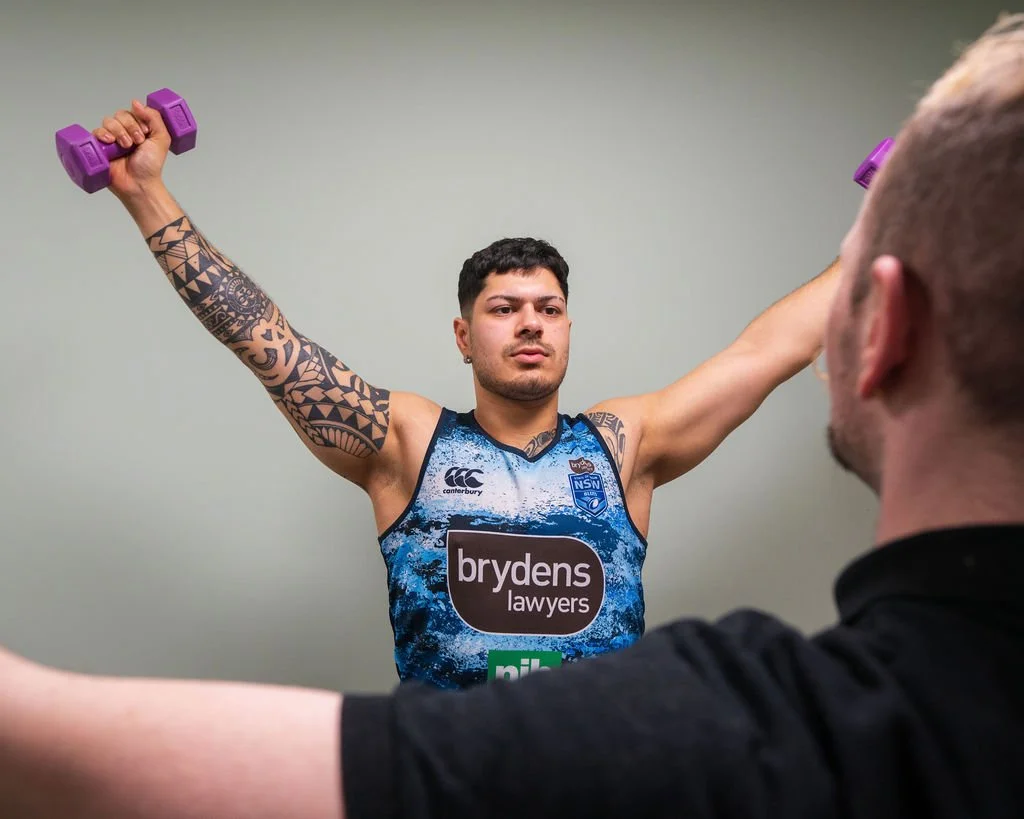
Ross Canning demonstrating a weighted movement in the RCMM clinic for gym and recreational activity support.

Training rarely stays exactly the same.

You may have:

  • added another gym session

  • increased the weight you are lifting

  • started running further

  • joined a new class

  • returned after several weeks or months away

  • changed sport

  • started preparing for a race

  • added weekend activity to a busy working week

  • resumed an activity you have not done for years

A new or increased demand can leave certain areas feeling more worked than usual.

This does not tell you by itself whether something is routine post-activity soreness, a local muscular concern or something that needs further assessment. The timing, severity, recent changes and effect on normal function all matter.

Current UK physical-activity guidance encourages adults and older adults to build activity gradually from their present level rather than treating activity as all or nothing.


Common Situations Active Adults Recognise

sport therapist Ross demonstrating a lunge with a weighted sandbag showing how weight changes an exercise

Returning After a Break

The first few sessions back can feel noticeably different.

Weights that once felt familiar may feel heavier. A run may feel less comfortable than expected. Certain areas may tire sooner.

The challenge is often working out what reflects the return to activity and what deserves closer attention.

Building Training Gradually

You may be adding distance, resistance, sessions or a new exercise.

One area can start feeling repeatedly worked as the overall demand increases, particularly when several changes happen at once.

Preparing for a Race or Challenge

Training for a 5K, 10K, walking event, cycling challenge or charity activity often means doing more than usual.

You may notice a calf, hamstring, knee, foot or lower back becoming more prominent as the event approaches.

Increasing Gym Frequency

Moving from one or two sessions a week to three or four changes the amount of work your body has to manage.

The concern may not begin during one dramatic session. It may become more noticeable across several weeks.

Starting a New Sport or Class

A new sport can involve unfamiliar positions, speeds and repeated actions.

That may be golf after years away, a first padel session, a new circuit class or joining a local team.

Managing Training Alongside Work

A gym session does not happen in isolation.

Training may sit alongside desk work, driving, manual work, shifts, reduced sleep or family responsibilities.

Sometimes the concern is not simply what happened during training. It is the total physical demand of the week.

Staying Active as You Get Older

Many people are not chasing personal records.

They want to keep lifting, golfing, walking, cycling, attending classes or playing recreational sport for as long as those activities remain important to them.

The aim is not to train like somebody else. It is to find an approach that fits your current activity, confidence and circumstances.

Common Things People Notice

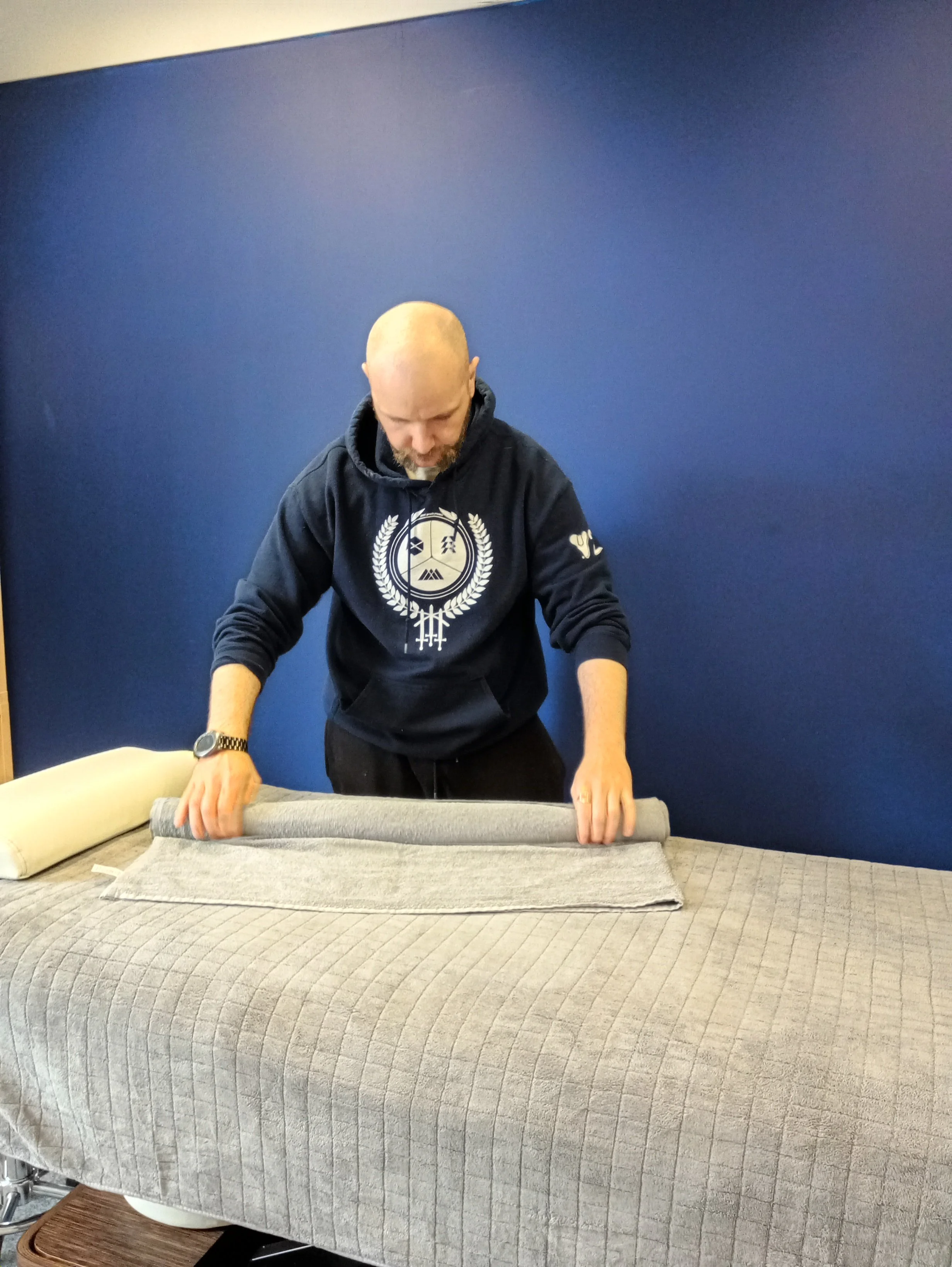
rcmm clinic room with massage bed and equipment to help with recovery

People often visit RCMM because they notice:

  • one muscle or area repeatedly tightening after training

  • calves or hamstrings feeling heavily worked after running

  • shoulders or upper back becoming uncomfortable during pressing or pulling

  • hips or lower back feeling restricted during squats or lifting

  • knees becoming more noticeable during running, classes or stairs

  • forearms or elbows feeling overloaded after gripping

  • soreness affecting the next planned session

  • one side feeling less comfortable than the other

  • confidence changing around a particular exercise or activity

  • the same concern returning whenever training increases

  • several areas seeming connected

  • uncertainty about whether massage, assessment or another type of support is appropriate

Sometimes the area is obvious.

At other times, the problem is not knowing why it keeps returning or how to approach the next session.


When Gym or Recreational Activity Support May Be Useful

RCMM may be a suitable option when:

  • one or two areas repeatedly feel tight or overworked

  • a particular exercise or activity has become less comfortable

  • soreness or stiffness is affecting consistency

  • the same concern returns whenever activity increases

  • you want targeted hands-on support for a known area

  • several areas seem connected

  • you are unsure what may be contributing

  • you have returned after time away and something does not feel as expected

  • uncertainty is beginning to affect confidence or enjoyment

The purpose of the appointment is not to diagnose an injury through a webpage or promise that you can continue every activity unchanged.

It is to understand your situation, decide whether it fits RCMM’s scope and identify a sensible next step.

Severe or rapidly worsening pain, substantial swelling or bruising, inability to bear weight, significant loss of function, numbness or symptoms following a serious injury need appropriate medical assessment rather than a routine massage appointment.

If something falls outside the most appropriate scope for an RCMM session, Ross will explain this clearly and help guide you towards a suitable next step.

How RC Muscle & Movement Can Help

RC Muscle & Movement provides Sports Therapy, massage and musculoskeletal support for active adults in East Kilbride.

Where one or two areas clearly need attention, targeted hands-on support may help the area feel more comfortable.

Where the same concern repeatedly returns, affects several areas or is difficult to explain, a Movement & Function Assessment allows more time to explore the wider situation.

Depending on the appointment, RCMM may help you:

  • focus on an area that feels repeatedly overworked

  • discuss what changed before the concern appeared

  • explore an exercise, position or activity that now feels different

  • consider how training and the rest of your week may be interacting

  • make a clearer decision about what to do next

  • feel more confident approaching an activity that matters to you

This is not personal training, programme design or athletic performance coaching.

RCMM’s role is to provide appropriate hands-on support, assessment and practical guidance within its Sports Therapy and strength-informed scope.

For a fuller explanation of the clinic’s professional approach, visit Musculoskeletal Support in East Kilbride.


What a Session May Include

The appointment begins with what has been happening.

Ross may ask:

  • which activity you do

  • what you are currently training for

  • what recently changed

  • when the area becomes noticeable

  • whether the concern appeared suddenly or gradually

  • how it affects training or normal daily activity

  • whether you have tried anything already

  • what you want help with

Depending on the appointment selected, the session may include:

  • discussing recent training and activity

  • looking at one or two relevant actions or positions

  • targeted hands-on treatment

  • considering whether nearby areas may be involved

  • discussing what appears manageable at present

  • straightforward guidance for the next stage

You will not automatically receive a long exercise programme or be told to stop every activity.

Any guidance should reflect what you are experiencing, your current goals and whether the issue sits appropriately within RCMM’s scope.


When One Concern Starts Affecting Your Activity

sport therapist Ross demonstrating a stretch in clinic holding a pose showing what may be in a session

A small recurring concern can begin changing how somebody trains or participates.

You may start to:

  • avoid one exercise

  • leave out part of a class

  • shorten a run

  • hesitate before adding weight

  • stop using one side confidently

  • repeatedly change your programme

  • worry about preparing for an event

  • lose enjoyment because you are constantly monitoring the area

  • stop an activity without knowing whether that is necessary

The physical feeling may be only one part of the frustration.

The uncertainty around it can become just as disruptive.

RCMM considers what you are currently able to do, what has become difficult and what activity you want to maintain or return to.

The aim is not perfect training.

It is a clearer and more manageable way forward.

Which Appointment Should You Choose?

Choose Sports Massage if:

  • one or two areas feel tight, restricted or overworked

  • you know where you want the session focused

  • training repeatedly affects the same muscular area

  • you mainly want targeted hands-on support

Sports Massage is usually the most direct starting point when the concern feels clear and localised.

Explore targeted Sports Massage in East Kilbride

Choose a Movement & Function Assessment if:

  • the concern keeps returning

  • several areas seem connected

  • a movement feels different without an obvious reason

  • massage or stretching only helps temporarily

  • you are unsure what may be contributing

  • you want a clearer picture before deciding what to do next

The assessment gives Ross more time to explore the wider situation and identify a practical next step.

Explore a Movement & Function Assessment in East Kilbride

Choose Deep Tissue Massage if:

  • tension feels widespread

  • training, work and everyday life are all adding up

  • your whole body feels physically overloaded

  • you want a slower, broader massage focused on general comfort

Explore Deep Tissue Massage in East Kilbride


Related Support

You may also find these pages useful:

sport therapist demonstrating weighted squat to another adult in clinic

Local Gym, Training & Recreational Activity Support in East Kilbride

RC Muscle & Movement supports gym-goers and recreationally active adults from East Kilbride, Hamilton, Glasgow and the surrounding Lanarkshire area.

The clinic is based at Oakfield House in East Kilbride.

Every appointment is private and one-to-one with Ross Canning, Sports Therapist.

People visit while taking part in:

  • gym and strength training

  • running

  • cycling

  • fitness classes

  • golf

  • football

  • racquet sports

  • walking and hiking

  • recreational events and challenges

  • new or returning activities

Start with what you have noticed and the activity it is affecting.

You do not need to arrive with a diagnosis or know which service you need.

contact RC Muscle & Movement if you’re still unsure

Useful Gym, Training and Activity Articles

Frequently Asked Questions

Recommended First Appointment

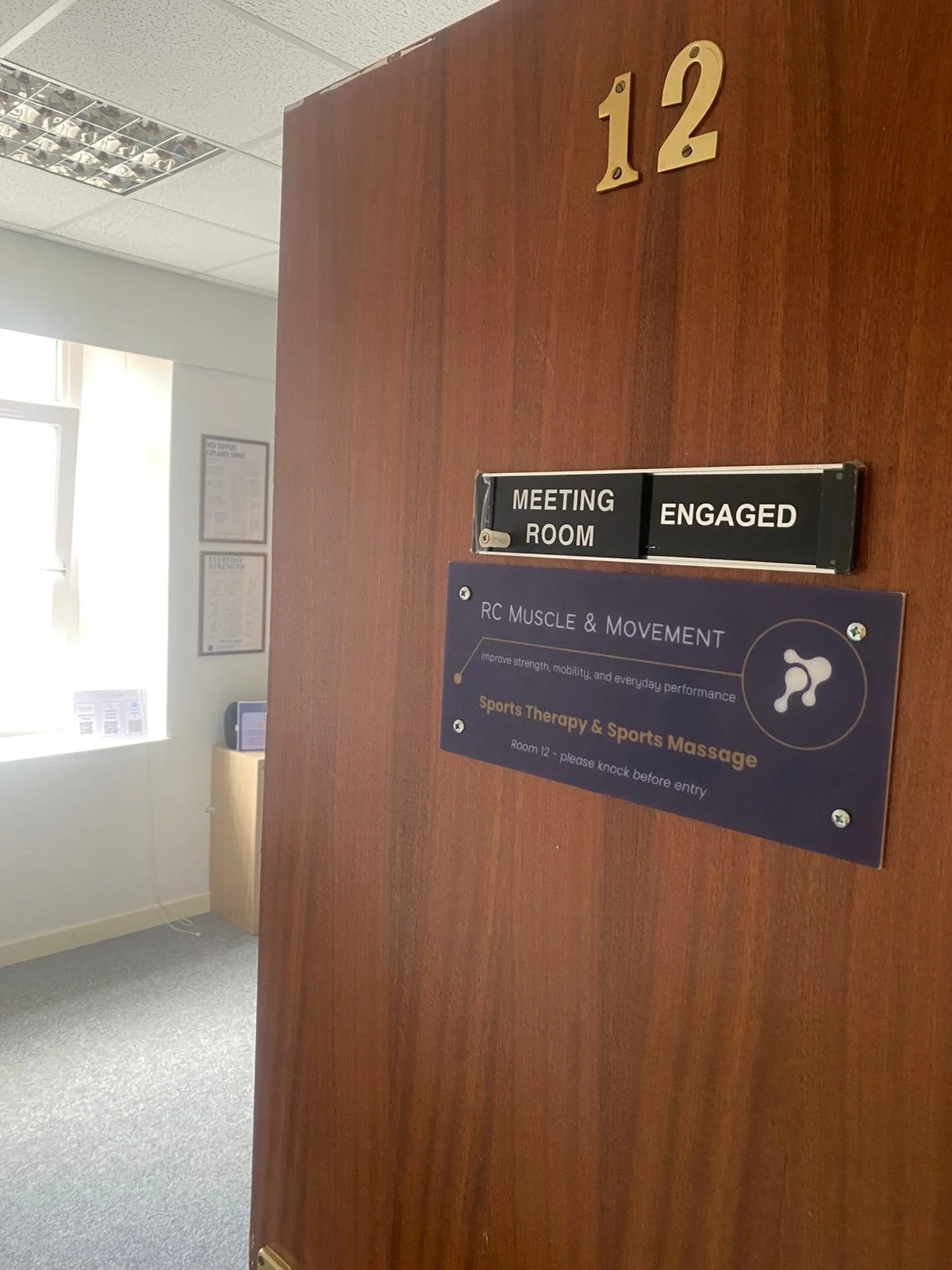
an open door going into a clinic with a sign that says RC Muscle & Movement , sports therapy and sports massage , room 12 please knock before entry

If training or recreational activity has left one or two clear areas feeling tight, sore or overworked, Sports Massage is usually the most direct first appointment.

If the concern keeps returning, affects several areas or leaves you unsure how to continue, choose a Movement & Function Assessment.

When uncertainty is the main issue, the assessment usually provides the clearest starting point.