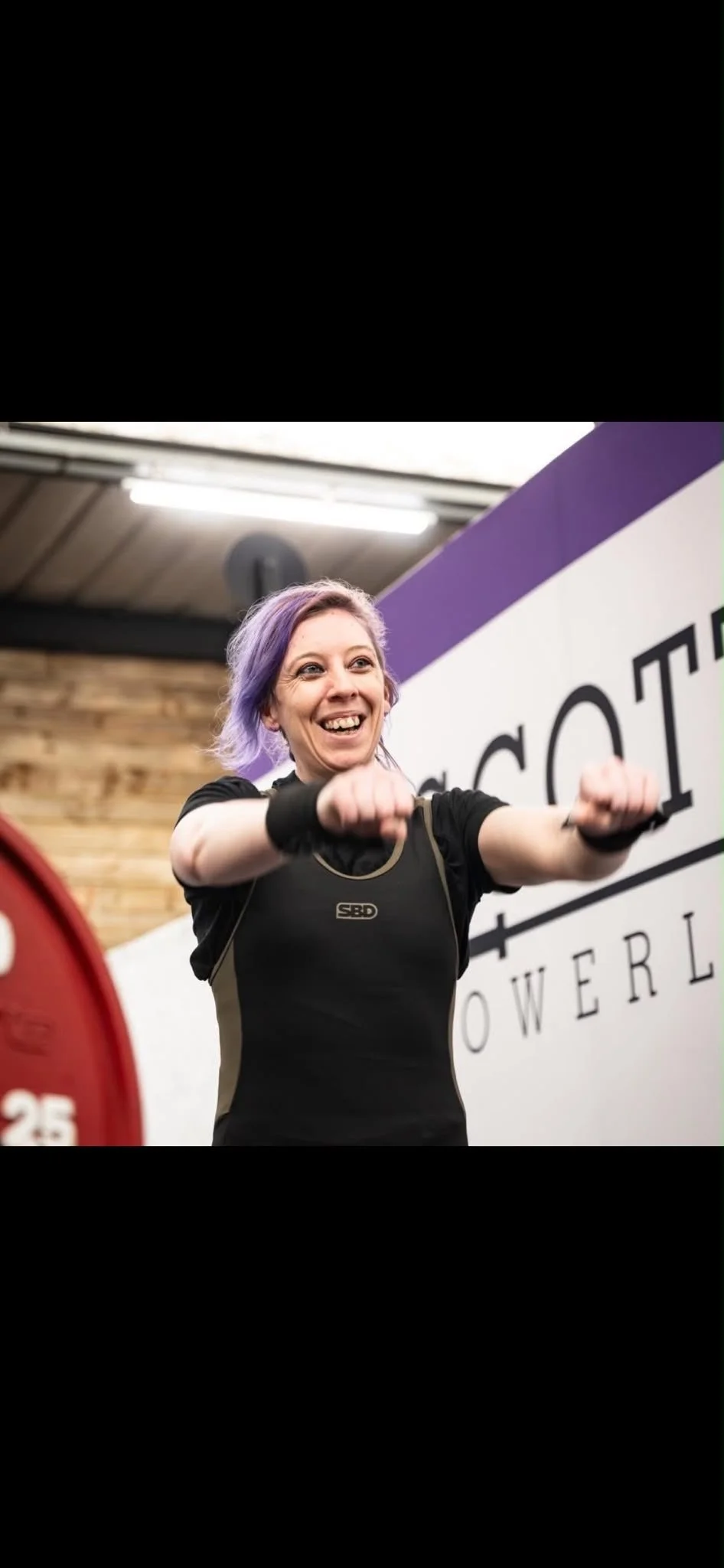
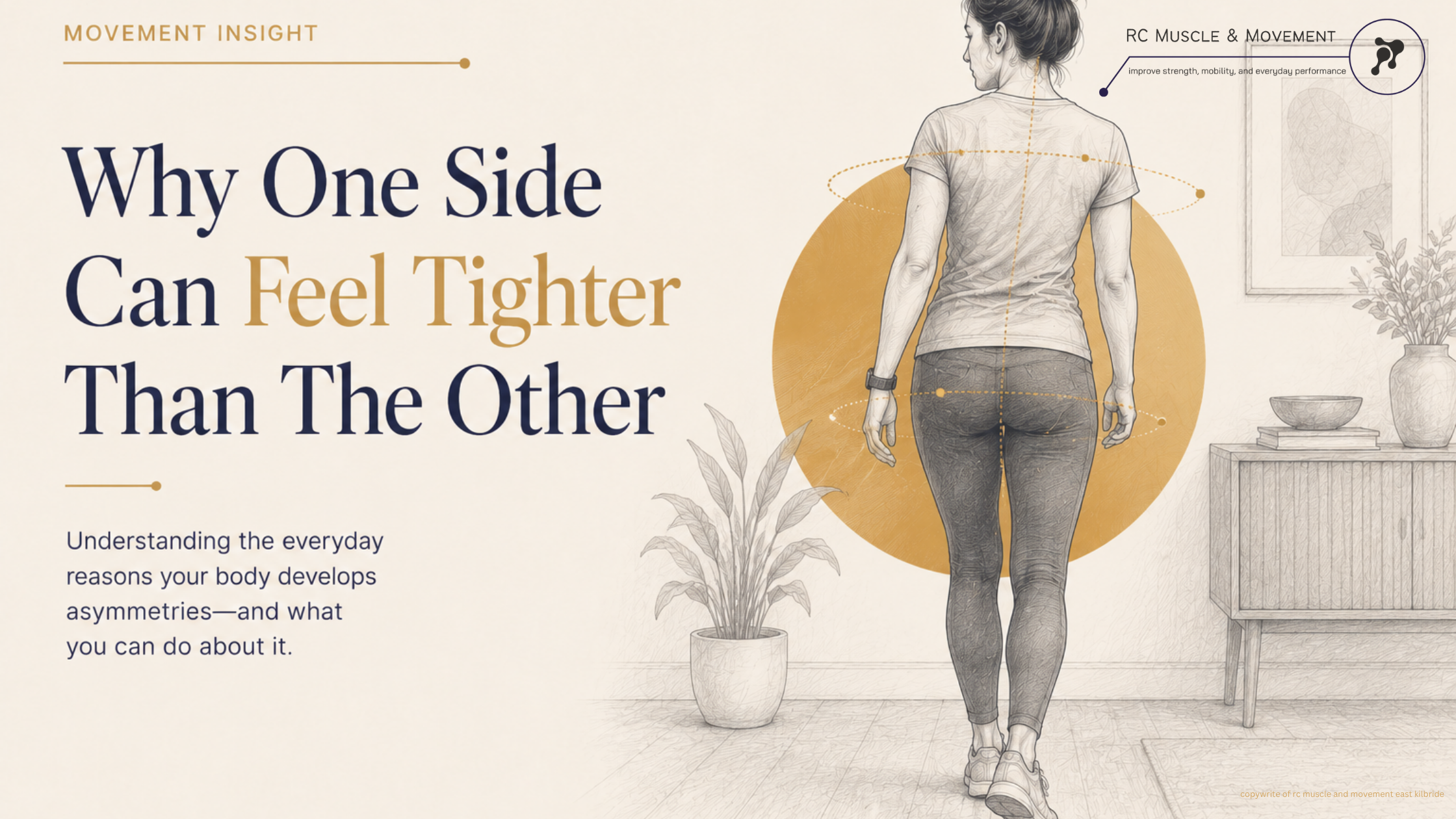
Why One Side Can Feel Tighter Than The Other
Summary
One side of the body can feel tighter than the other for many reasons. It may relate to dominant-side habits, repeated work positions, sitting posture, driving, carrying bags, training patterns, strength differences, movement confidence or how your body is sharing effort. Uneven tightness does not automatically mean something is damaged, but if it keeps returning, it may be useful to look at the wider movement picture.
Educational Note
This article is for general education only.
It is not medical advice and it is not a diagnosis.
RC Muscle & Movement does not diagnose injury or medical conditions. We provide movement-focused assessment, hands-on soft-tissue support and practical guidance within sports therapy scope. Our sports therapy approach is through a movement led msk lens.
If symptoms are severe, new, worsening, unexplained, or linked with numbness, weakness, swelling, loss of control, or other concerning changes, it is sensible to seek appropriate medical advice.
Why This Is Such A Common Question
Many people notice one side of their body feels tighter than the other.
One hamstring always feels more restricted.
One hip feels harder to move.
One shoulder sits higher, feels heavier or tightens faster.
One side of the lower back feels more loaded.
One calf, glute or side of the neck seems to complain more often.
It can feel frustrating because the obvious question becomes:
“Why is it always this side?”
It is easy to assume that one side must be short, weak, damaged or “out of place”.
Sometimes there may be a specific reason that needs proper assessment.
But very often, side-to-side tightness is not as simple as one muscle being wrong.
The body is not perfectly symmetrical.
Most people have a side they prefer, a way they sit, a way they stand, a way they lift, a way they drive, a way they carry bags, and a way they move through daily life.
Over time, those repeated habits can influence how different areas feel.
That does not mean something is broken.
It means your body may be adapting to what it is repeatedly asked to do.
Your Body Is Not Designed To Feel Perfectly Even All The Time
Humans are naturally a bit asymmetrical.
Most people have a dominant hand.
Many have a preferred leg.
Most people turn, lift, reach, sit, carry and stand in slightly repeated ways.
You may always:
carry your bag on one shoulder
cross the same leg
lean on the same hip
drive with one leg held in a certain position
sleep more on one side
lift children on one hip
twist the same way at work
step up using the same leg first
train movements with slightly different control side to side
None of this is automatically a problem.
It is normal for the body to have preferences.
The issue is not that one side is different.
The more useful question is:
“Is one side repeatedly doing more work than it needs to?”
That is where a movement-first view becomes useful.
Tightness Can Be A Sign Of Repeated Work
A side that feels tight may not be the “bad” side.
Sometimes it is the side doing more.
For example:
one hip may work harder during walking, stairs or squats
one shoulder may hold more tension during desk work
one side of the neck may work harder during driving or screen use
one hamstring may feel tighter if it is helping control movement more than the other side
one side of the lower back may feel loaded if the hips are not sharing work evenly
That does not mean the tight area is damaged.
It may simply be doing more work than it can comfortably tolerate at that time.
This is why stretching the same tight side does not always create lasting change.
It may feel better temporarily.
But if the same side keeps being loaded the same way, the tightness can return.
If this feels more like a general pattern across everyday life, our Everyday Movement Support page explains how work, sitting, stress and physical demand can affect how movement feels.
If this often shows up around the back of the legs, our Hamstring Tightness page explains why the hamstrings can feel tight, overworked or harder to trust.
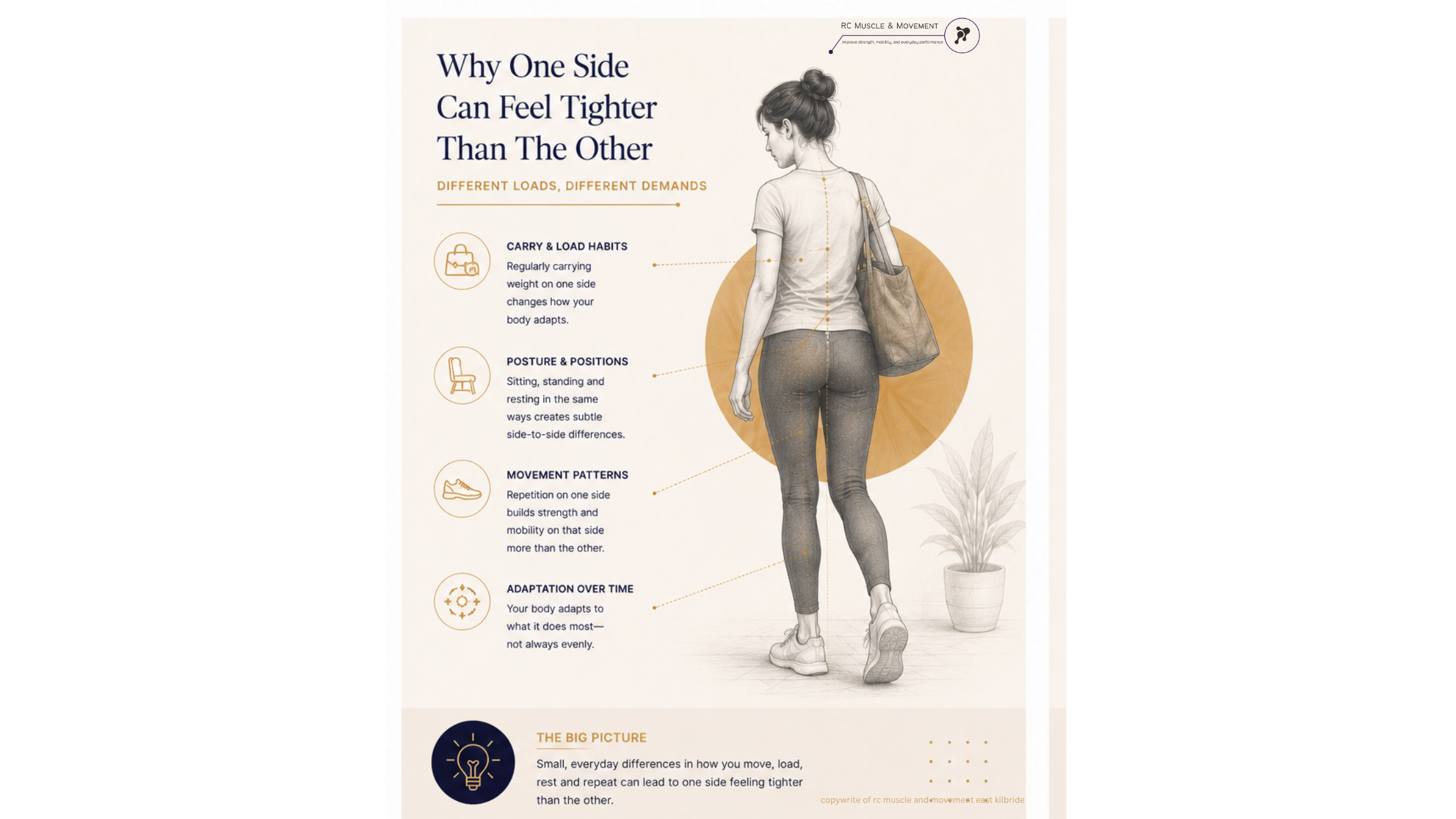
One-Sided Tightness Can Come From Daily Habits
Daily life repeats more than people realise.
You might not think of your day as physical, but your body still has to manage repeated positions and demands.
Examples include:
sitting at a desk with one leg tucked under
turning to one side to use a second screen
holding a phone on the same side
carrying bags on one shoulder
driving long distances
standing with weight shifted onto one hip
using one hand more during work
repeatedly lifting or reaching to one side
sleeping in the same position most nights
None of these are automatically “bad”.
But if one side is repeatedly placed under more demand, that side may begin to feel tighter, heavier or more restricted.
This is especially common when the body has fewer opportunities to move in different ways.
The problem is rarely one posture.
It is usually the amount of time spent in similar positions without enough variety.
Training Can Also Create Side-To-Side Differences
Training is useful.
Strength matters.
Movement capacity matters.
But training can still reveal side-to-side differences.
You may notice one side feels different during:
lunges
split squats
step-ups
running
deadlifts
pressing
pulling
carries
rotational movements
stretching or warm-ups
Again, difference does not automatically mean danger.
Sometimes one side has less control.
Sometimes one side fatigues sooner.
Sometimes one side feels less confident.
Sometimes the body has learned to shift work away from one area and into another.
This is why it is not always helpful to chase perfect symmetry.
The goal is not to make both sides identical.
The goal is to understand whether one side is consistently struggling, compensating, avoiding work or taking on too much.
That distinction matters.
Sometimes The Tighter Side Is Not The Side That Needs More Stretching
This is where people often get stuck.
If one side feels tight, the instinct is to stretch that side more.
That may help in the short term.
But if the tight side is doing more work, it may need something different.
It might need:
better strength support
better movement variety
less repeated load
more confidence in certain movements
improved control on the other side
a change in work or sitting habits
hands-on support where the area feels overworked
a clearer understanding of what is contributing
Stretching is not wrong.
It is just not always the whole answer.
A tight feeling is information.
It is not a full explanation.
Why The Same Side Keeps Coming Back
Recurring one-sided tightness can be frustrating because it often follows a familiar pattern.
You stretch it.
It feels better.
You have massage.
It eases.
You move around.
It settles.
Then a few days later, the same side feels tight again.
That does not mean nothing worked.
It may mean those things helped one part of the picture.
But the bigger pattern is still there.
That bigger pattern may involve:
repeated sitting habits
one-sided work tasks
training patterns
old movement habits
fatigue
reduced strength or control
stress-related tension
low movement variety
the body avoiding certain positions
one area repeatedly taking on more work than it needs to
This is why recurring one-sided tightness is often better understood through movement, not just local tissue.
The area that feels tight matters.
But it may not be the only area worth considering.
If the same side keeps tightening up and you are not sure why, a Movement & Function Assessment can help build a clearer picture of how your body is moving and what may be contributing.
One-Sided Tightness Can Affect Confidence
When one side keeps feeling different, people often start to trust it less.
They may avoid certain movements.
They may stretch before every activity.
They may become cautious with stairs, lifting, bending, walking, training or sitting.
They may feel as though one side is always “the problem”.
That can slowly reduce movement confidence.
At RCMM, we think confidence matters.
Not in a motivational way.
In a practical way.
If you trust movement less, you often move with more caution.
If you move with more caution, certain areas may work harder.
If certain areas work harder, they may feel tighter again.
This can become a loop.
A movement-first approach helps by looking at what is actually happening, not just how worried the movement feels.
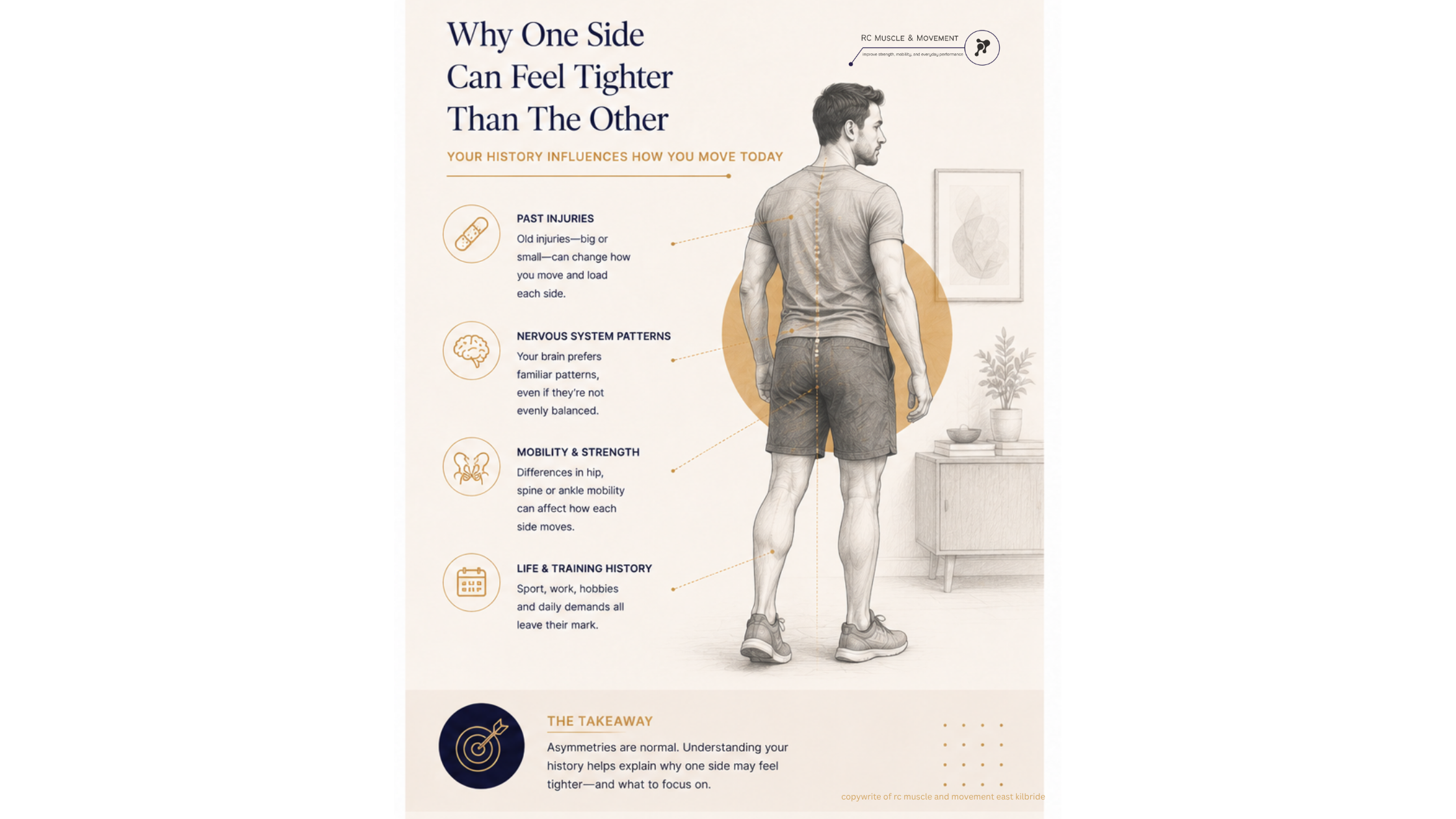
What May Help If One Side Always Feels Tighter
The answer depends on what is contributing.
But useful starting points often include:
changing position more often
noticing repeated one-sided habits
varying how you sit, stand and carry things
adding gentle movement variety
building strength gradually
practising movements on both sides
reducing long periods in one position
using hands-on work where the area feels overworked
reviewing workload, stress and recovery
getting a clearer movement-focused assessment if it keeps returning
You do not need to fix every small asymmetry.
The body does not need to be perfectly even.
But if one side keeps feeling tight, restricted or overloaded, it is worth asking why that side is being asked to work that way.
Where Sports Massage Fits
Sports Massage can be useful when one specific area feels tight, restricted or overworked.
For example, someone may come in because one shoulder, one hip, one hamstring or one side of the back keeps tightening.
Hands-on support may help the area feel more comfortable and easier to move.
But with recurring one-sided tightness, Sports Massage works best when it is not treated as the only answer.
It may be useful alongside:
movement awareness
workload review
simple strength work
better recovery habits
changes to repeated positions
clearer understanding of why that side keeps doing more
That is the difference between simply chasing the tight side and understanding the wider pattern.
When Assessment Is The Better Starting Point
If the tightness is clear, local and you know what you want help with, Sports Massage may be a good choice.
If the same side keeps returning, feels harder to understand, affects confidence or involves more than one area, the Movement & Function Assessment is usually the clearer starting point.
That assessment is not about diagnosing you.
It is about building a better picture of how your body is moving, what daily life is asking from it, and what support may be most useful.
This can help you decide whether the next step should be:
targeted hands-on work
practical movement changes
strength-informed guidance
recovery and workload adjustments
or signposting elsewhere if something appears outside the right scope
The goal is clarity.
Not overcomplication.
Key Takeaways
One side feeling tighter than the other is common.
It does not automatically mean something is damaged, weak or wrong.
It may be influenced by:
dominant-side habits
sitting and standing positions
work tasks
carrying patterns
training habits
movement confidence
fatigue
recovery
stress
how the body shares effort
You do not need perfect symmetry.
But if the same side keeps tightening, it may be useful to look beyond the muscle itself.
The better question is often:
“Why does this side keep having to work this way?”
That question gives you more options than simply stretching the same area again and again.
How RCMM Can Help
RC Muscle & Movement is a movement-first sports massage and assessment clinic in East Kilbride.
We work with people dealing with tightness, stiffness, restricted movement and areas that repeatedly feel overworked.
For one-sided tightness, our role is to help you understand the pattern, explore how your body is moving and decide what support fits best.
That may involve:
Movement & Function Assessment
Sports Massage
hands-on soft-tissue support
simple movement guidance
strength-informed support where helpful
clear explanation in everyday language
The aim is to help movement feel clearer, more comfortable and easier to trust.
If one specific area feels tight or overworked, Sports Massage may be useful. If the same side keeps tightening or you are unsure what is contributing, the Movement & Function Assessment is usually the clearest starting point.
FAQs
Is it normal for one side to feel tighter than the other?
Yes, it is common for people to feel some side-to-side difference. The body is not perfectly symmetrical, and daily habits, work, training and movement preferences can all influence how each side feels.
Does one-sided tightness mean something is wrong?
Not always. One side feeling tighter does not automatically mean damage or injury. It may reflect repeated workload, reduced movement variety, fatigue, strength differences or how the body is sharing effort.
Should I stretch the tighter side more?
Stretching may help temporarily, but if the same side keeps tightening, it may be useful to look at why that side is feeling tight in the first place.
Why does one hip always feel tighter?
One hip may feel tighter because of sitting habits, walking patterns, training, driving, standing posture, strength differences or how the hips and lower back are sharing work.
Why does one shoulder feel tighter than the other?
One shoulder may feel tighter because of desk setup, screen position, dominant-hand use, carrying habits, stress, training or repeated reaching patterns.
Can Sports Massage help one-sided tightness?
Sports Massage may help when one area feels tight, restricted or overworked. If the tightness keeps returning, assessment may help make the bigger picture clearer.
What should I book if one side keeps tightening?
If it is one clear area, Sports Massage may be appropriate. If it keeps returning, affects several areas or feels unclear, the Movement & Function Assessment is usually the better starting point.
Source Base Used
Sadeghi H et al. Symmetry and limb dominance in able-bodied gait: a review. Gait & Posture. 2000.
Srinivasan D, Mathiassen SE. Motor variability in occupational health and performance. Clinical Biomechanics. 2012.
Srinivasan D. Motor variability — an important issue in occupational life. Work. 2012.
Bull FC et al. World Health Organization 2020 guidelines on physical activity and sedentary behaviour. British Journal of Sports Medicine. 2020.
NHS. Physical activity guidelines for adults aged 19 to 64.
NHS Inform. Physical activity guidelines.